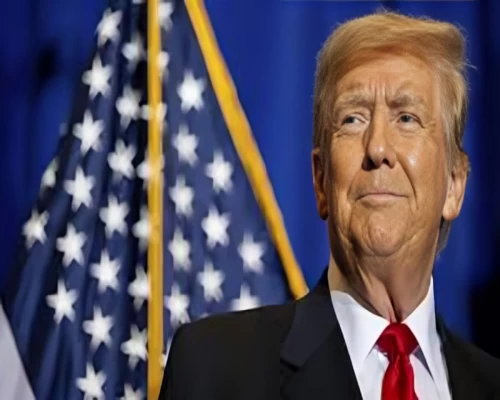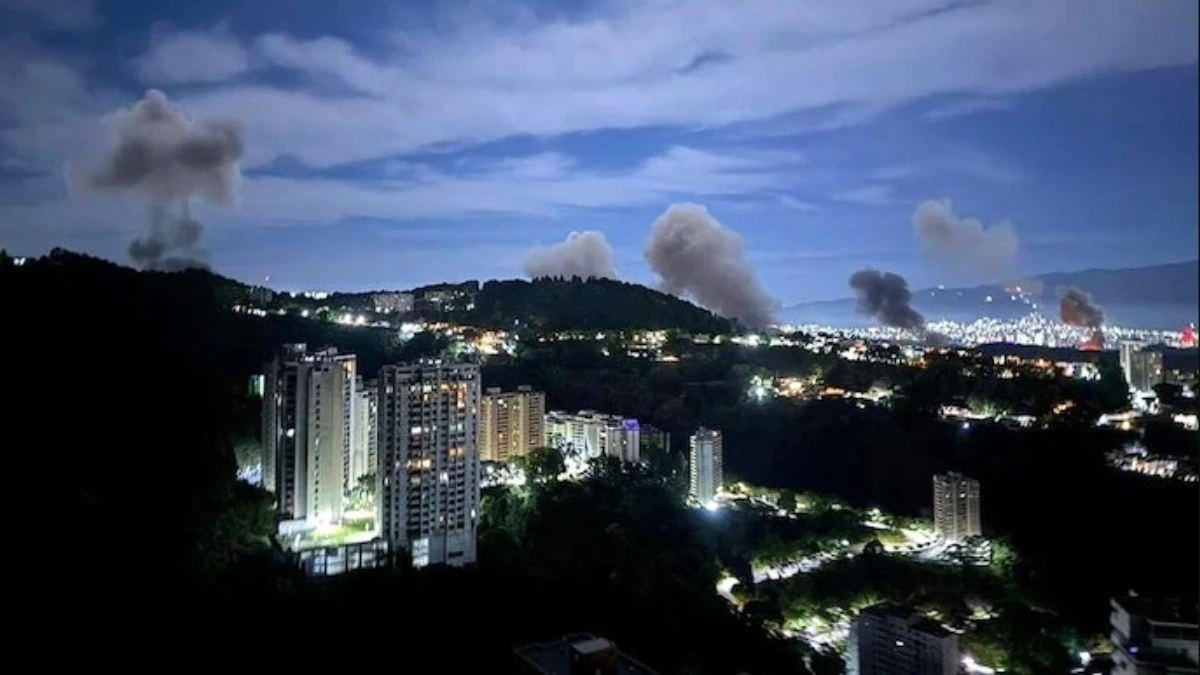
New Delhi: The capture of Venezuelan President Nicolás Maduro in a US military operation on January 3 has sharply escalated tensions around one of the world’s most oil-rich nations, sending ripples through global energy markets and reviving geopolitical risk concerns. Former US President Donald Trump, reacting soon after the takeover, said Washington would play a decisive role in “running” Venezuela and reviving its oil sector, even as he warned of fresh US tariffs linked to Venezuelan crude and countries continuing to trade with the regime.
Venezuela holds the world’s largest proven oil reserves - estimated at over 300 billion barrels, nearly 18% of global reserves - but years of political instability, sanctions and underinvestment have crippled production. Output, which once exceeded 3 million barrels per day, has fallen to around 1 million bpd, limiting the country’s influence on global supply despite its vast resource base.
The unfolding situation lifted sentiment across oil and gas stocks on Dalal Street on Monday, with Reliance Industries, ONGC, Indian Oil Corporation and Oil India trading higher as investors priced in the possibility of medium-term opportunities if Venezuela’s oil sector is restructured or sanctions ease. Market participants said the gains were driven more by expectations and risk sentiment than by any immediate disruption in crude supplies.
Trump’s post-operation remarks, including threats of additional tariffs and tighter enforcement against buyers of Venezuelan oil, have added a fresh layer of uncertainty to global trade flows. However, analysts say the immediate impact on crude prices has been muted, as ample supply from other producers and lingering concerns of oversupply have capped sharp price spikes.
For India, experts underline that the direct fallout is likely to be limited. Crude imports from Venezuela have collapsed sharply in recent years, shrinking to a negligible share of India’s overall oil basket due to sanctions and payment challenges. Overall bilateral trade between the two countries remains modest, significantly reducing India’s vulnerability to developments in Caracas.
ONGC Videsh, the overseas arm of ONGC, has long-standing investments in Venezuelan oil fields and pending dividend receivables, which analysts say could come back into focus if the political situation stabilises and sanctions are recalibrated. Any such gains, however, are expected to play out over the medium to long term.
Global crude benchmarks remained relatively steady following the news, suggesting that while the Venezuela crisis has revived geopolitical risk premiums, broader market fundamentals are keeping prices in check.
In sum, while the dramatic turn of events in Venezuela has reignited volatility and investor interest in energy stocks, analysts believe India’s diversified sourcing strategy and reduced dependence on Venezuelan crude leave its energy security largely intact, at least in the near term.
BI Bureau