Mumbai: Navi Mumbai International Airport, the long-awaited greenfield airport for the Mumbai Metropolitan Region, will begin commercial operations on December 25, according to a media release submitted by Adani Enterprises Limited. The airport was inaugurated on October 8 and is expected to ease congestion at Mumbai’s existing facilities by adding significant new capacity.
During its initial phase, the airport will operate daily from 8:00 AM to 8:00 PM. It will accommodate 23 scheduled departures and up to 10 aircraft movements per hour, with around 120 daily air traffic movements. Round-the-clock operations are planned from February 2026, when the number of daily departures will rise to 34.
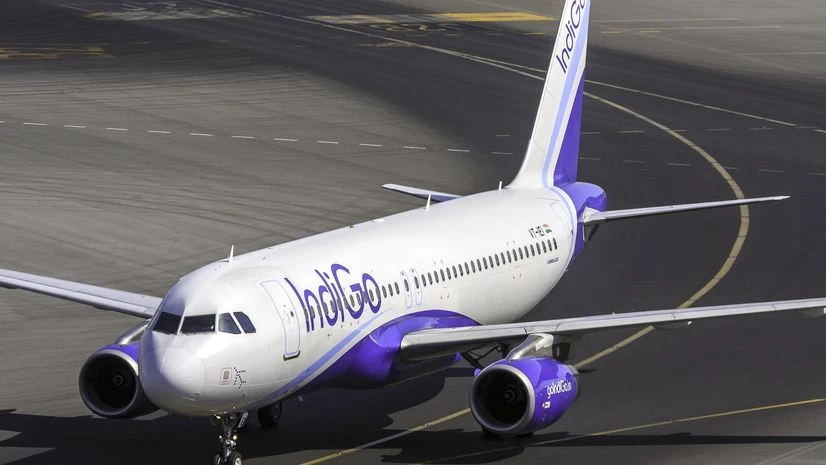
The first arrival on December 25 will be IndiGo flight 6E460 from Bengaluru at 8:00 AM, followed by IndiGo flight 6E882 to Hyderabad at 8:40 AM. IndiGo, Air India Express, and Akasa Air will connect NMIA to 16 domestic destinations in the opening phase, including Delhi, Chennai, Kolkata, Goa, Jaipur, and Lucknow.
To ensure operational readiness, the airport has been conducting a series of Operational Readiness and Airport Transfer, ORAT, trials with all partners. The Central Industrial Security Force was formally inducted on October 29 to take charge of security arrangements.
Navi Mumbai International Airport has been developed through a Public Private Partnership model and is operated by Navi Mumbai International Airport Private Limited. Adani Airports Holdings Limited, through Mumbai International Airport Limited, owns a 74 percent stake in the project, while CIDCO holds 26 percent. Spread across 1,160 hectares, the airport is built for a final capacity of 90 million passengers annually. It features two parallel runways, advanced terminals, cargo infrastructure, and an architectural design inspired by the lotus. The project incorporates renewable energy and green building systems, and the first phase will support 20 million passengers per year.
BI Bureau