New Delhi: India’s higher education system is in the middle of a storm after the University Grants Commission notified the Promotion of Equity in Higher Education Institutions Regulations, 2026, a move intended to curb caste-based discrimination but which has instead triggered protests, resignations, and a legal challenge now before the Supreme Court. What was conceived as a regulatory push for safer and more inclusive campuses has rapidly turned into a national debate on equality, constitutional balance and the limits of affirmative action.
The 2026 regulations, notified earlier this month, make it mandatory for all universities and colleges to institutionalise equity mechanisms. These include setting up Equal Opportunity Centres, Equity Committees, Equity Squads, appointing Equity Ambassadors, and operating a 24×7 helpline to receive complaints. Unlike earlier guidelines, which were largely advisory, the new framework carries teeth: institutions that fail to comply risk loss of UGC recognition, funding and access to schemes. Complaints are to be addressed within fixed timelines, with institutional heads held accountable for lapses.
At the centre of the controversy is the way the regulations define caste-based discrimination. The rules restrict this definition to acts directed against members of Scheduled Castes, Scheduled Tribes and Other Backward Classes. This, critics argue, leaves out students and faculty from the general category, effectively denying them access to the same grievance redressal mechanisms. Protesters claim the framework creates an unequal system of protection, where one set of citizens is institutionally recognised as potential victims while others are excluded by design.
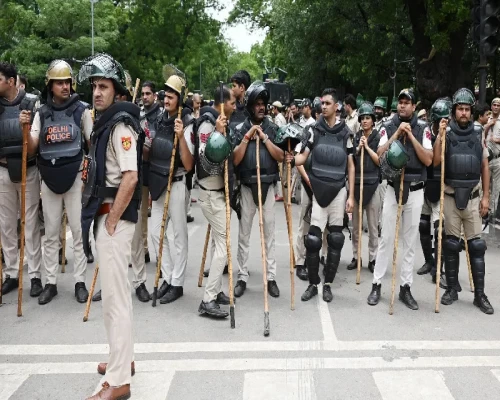
The backlash has been swift and visible. Protests have erupted across campuses and towns, particularly in north India, with demonstrators calling the rules discriminatory and unconstitutional. Some have staged symbolic protests, including head-shaving and sit-ins, arguing that the regulations violate the right to equality guaranteed under Articles 14 to 18 of the Constitution. The unrest has spilled into politics as well, with resignations reported from within the BJP’s local units in parts of Uttar Pradesh, where leaders cited anger among their support base over what they see as a divisive policy.
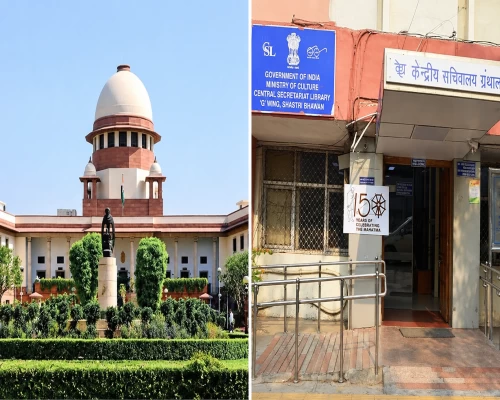
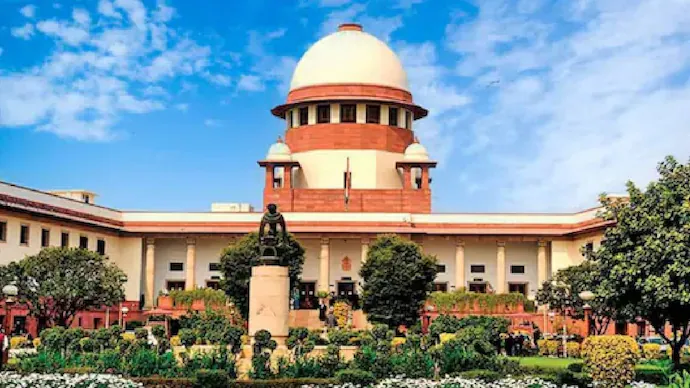
The issue has also reached the Supreme Court, where a petition challenges the constitutional validity of the regulations. The plea argues that by excluding general category individuals from the definition of caste-based discrimination, the UGC has created a non-inclusive legal framework that fails the test of equality before law. The court has agreed to hear the matter, setting the stage for a crucial judicial examination of whether targeted protections can coexist with broader constitutional guarantees without tilting the balance too far.
Supporters of the regulations see the backlash as misplaced. They argue that caste discrimination in higher education is a documented and persistent problem, and that previous guidelines lacked enforcement power. From this perspective, the 2026 regulations represent a long-overdue attempt to move from intent to implementation. Proponents stress that the focus on SC, ST and OBC communities reflects historical and structural disadvantage, and that the rules are meant to ensure dignity, safety and equal opportunity for those who continue to face systemic barriers on campuses.
Opponents, however, warn of unintended consequences. They fear the regulations could deepen fault lines within academic spaces, encourage a culture of mistrust, and lead to misuse in the absence of strong safeguards against false or malicious complaints. Concerns have also been raised about due process, with critics pointing to strict timelines and the wide powers given to institutional authorities, arguing that these could result in rushed or one-sided decisions.
As universities begin grappling with implementation and protests show no sign of abating, the UGC’s equity push has become more than an administrative reform. It has opened up a larger national conversation about how India addresses discrimination, who the law is designed to protect, and whether equity frameworks can be crafted without creating new perceptions of exclusion. With the Supreme Court now set to weigh in, the final word on the future of these regulations may determine not just campus policy, but the evolving contours of equality in Indian higher education.
BI Bureau