New Delhi: The Union Cabinet has cleared a set of draft amendments to operationalise the long-pending women’s reservation law, signalling a renewed push to implement 33% quota for women in Parliament and state assemblies, even as political debate intensifies ahead of a special Parliament session later this month.
The proposed amendments are aimed at enabling the rollout of the women’s quota—formally enacted through the Constitution (106th Amendment) Act, 2023, also known as Nari Shakti Vandan Adhiniyam—by addressing key procedural hurdles that have delayed its implementation. The law mandates one-third reservation for women in the Lok Sabha and state legislative assemblies, including sub-quotas for Scheduled Castes and Scheduled Tribes.
However, its implementation was tied to the completion of a fresh Census and a subsequent delimitation exercise, effectively pushing the timeline several years ahead. The Centre’s latest move is being seen as an attempt to fast-track the process by modifying or working around these earlier conditions, which had drawn criticism for delaying what was widely hailed as a historic reform.
Government sources indicated that the Cabinet has approved a package of draft bills—including a constitutional amendment and provisions linked to delimitation—to pave the way for implementation, with a target of operationalising the quota by the 2029 general elections. The draft legislation is expected to be introduced during a special three-day Parliament session beginning April 16.
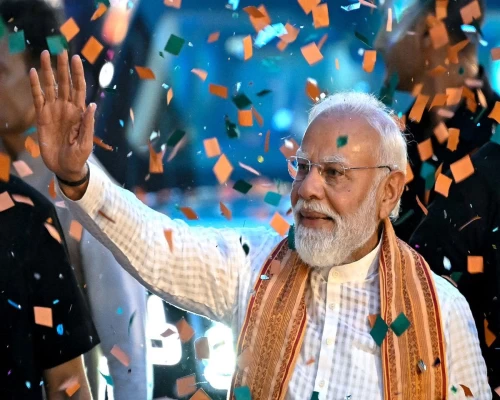
Prime Minister Narendra Modi has urged political parties and citizens, particularly women, to ensure the smooth passage of the proposed amendments, emphasising the need to “empower Nari Shakti” and calling for broad-based support. The government is said to be confident of securing cross-party backing, pointing to the near-unanimous passage of the original law in 2023.
The proposed amendments have, however, triggered fresh political contestation, with Opposition parties questioning the timing of the move and alleging that it may be aimed at gaining electoral advantage ahead of upcoming polls. Some leaders have also raised concerns over the basis of implementation, including the use of existing population data and the continued linkage with delimitation, reviving broader questions around representation, federal balance, and the mechanics of seat allocation under the quota system.
The women’s reservation law marks the culmination of nearly three decades of legislative efforts, with earlier versions of the Bill repeatedly lapsing since the 1990s. Despite women constituting nearly half the population, their representation in the Lok Sabha has remained relatively low, hovering around 13–15% in recent years, prompting sustained calls for structural intervention.
If implemented as planned, the law is expected to significantly alter the composition of legislative bodies, potentially reserving over 270 seats for women in an expanded Lok Sabha. With the Cabinet clearing the draft amendments, the focus now shifts to Parliament, where the government will seek to build consensus around the revised framework, with the coming session likely to witness intense debate that could determine whether one of India’s most ambitious political reforms moves from legislation to reality ahead of the 2029 elections.
BI Bureau