New Delhi: In a sweeping electoral reform with far-reaching political implications, the Centre has proposed to increase the strength of the Lok Sabha from the current 543 seats to as many as 850 through a Constitutional amendment, setting the stage for a fresh delimitation exercise and implementation of women’s reservation ahead of the 2029 general elections.
The draft proposal, circulated among Members of Parliament, seeks to revise key constitutional provisions including Article 81 and Article 82 to enable a significant expansion of elected representatives. Under the plan, 815 seats would be allocated to states and 35 to Union Territories, taking the total strength to 850.
The move is closely tied to the rollout of the women’s reservation law - the Nari Shakti Vandan Adhiniyam - which mandates 33% reservation for women in Parliament and state assemblies but is contingent upon a fresh census and delimitation exercise.
Government sources indicate that the expansion is aimed at facilitating smoother implementation of the quota by increasing the total pool of seats, thereby avoiding large-scale displacement of sitting constituencies.
The proposal is expected to be taken up during a special three-day sitting of Parliament from April 16 to 18, where multiple linked legislations, including amendments to enable delimitation, are likely to be introduced.
At the heart of the exercise is delimitation - the redrawing of constituency boundaries based on population changes. While the Constitution mandates such an exercise after every census, seat allocation has remained frozen since the 1971 Census under amendments aimed at incentivising population control. The proposed changes would lift this freeze and allow redistribution based on updated demographic realities.
However, the Centre’s indication that the exercise could rely on 2011 Census data, the latest officially published figures, has triggered political debate, with opposition parties demanding that it be based on more recent data.
The proposal has also revived long-standing concerns over federal balance. Critics, particularly from southern states, argue that a population-based redistribution of seats could disproportionately benefit states with higher population growth, potentially reducing the relative political weight of states that have stabilised population growth.
The scale of the proposed expansion, nearly a 50% increase, would mark the most significant restructuring of India’s parliamentary representation since Independence. It would also push the majority mark in the Lok Sabha well beyond 400, fundamentally altering electoral arithmetic and coalition dynamics.
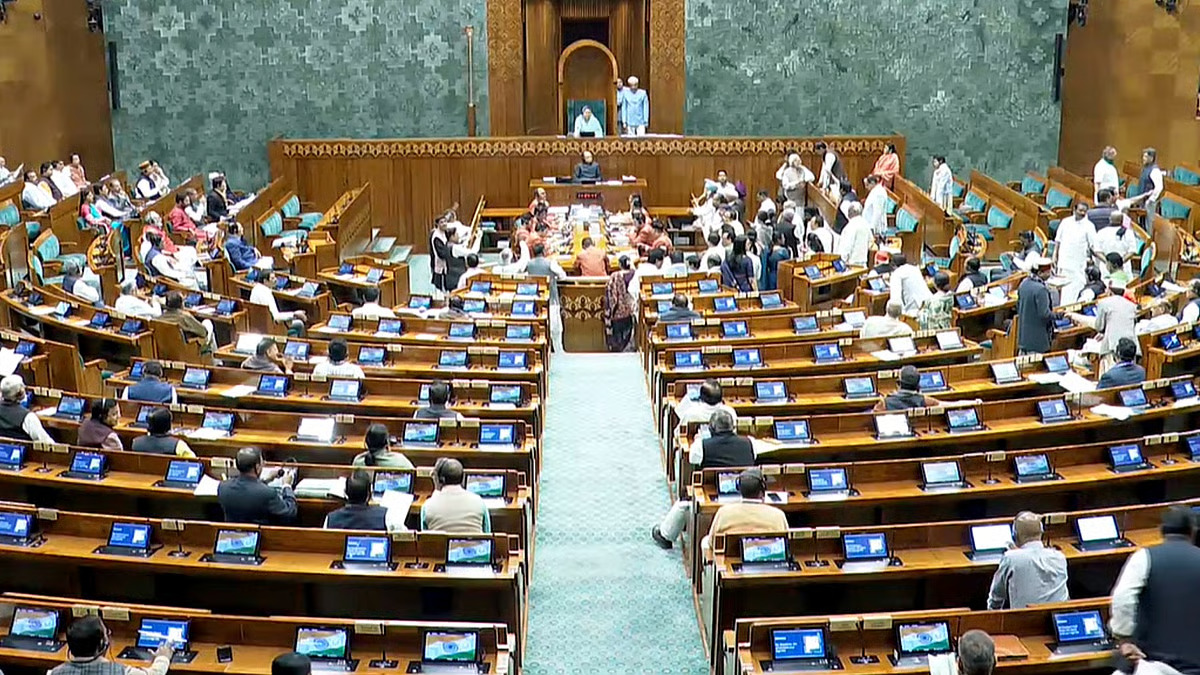
With the new Parliament building designed to accommodate up to 888 members in the Lok Sabha chamber, the institutional capacity for expansion is already in place.
As political consensus remains elusive, the coming parliamentary session is expected to see intense debate over representation, federal equity, and the sequencing of census, delimitation, and reservation, issues that could reshape India’s electoral landscape for decades.
BI Bureau