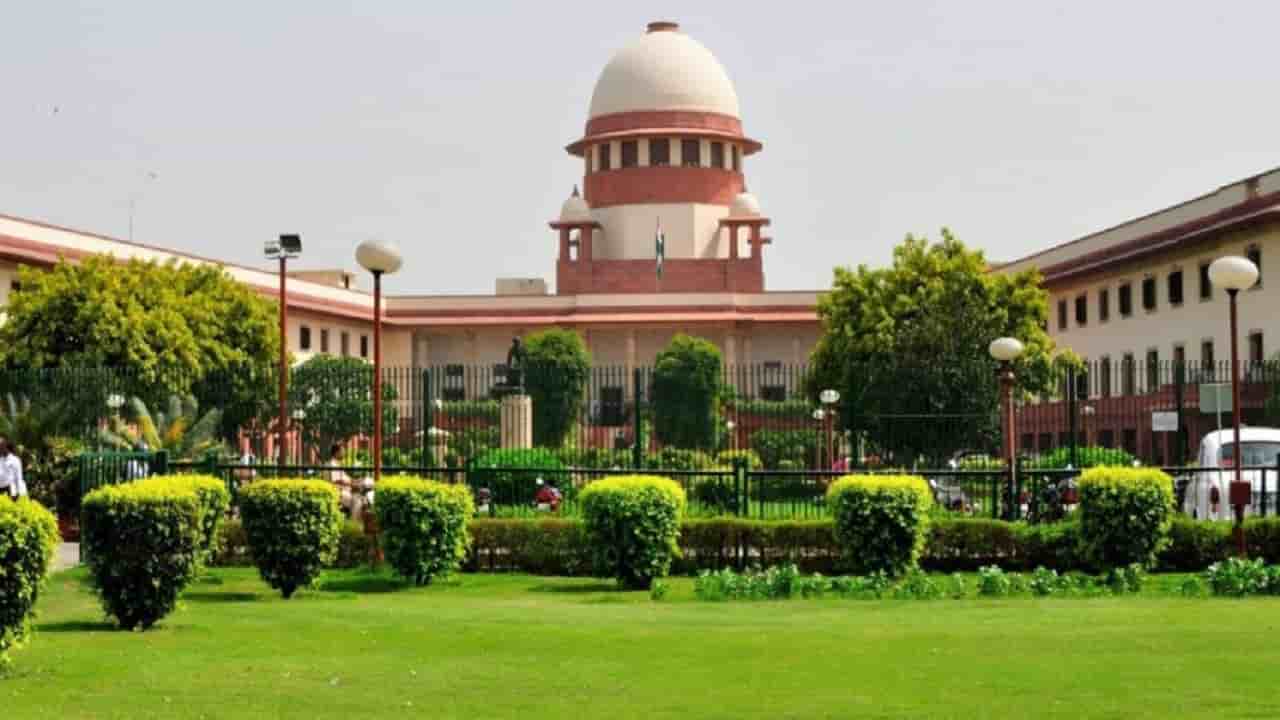
New Delhi: The Supreme Court put on hold the implementation of the University Grants Commission’s Promotion of Equity in Higher Education Institutions Regulations, 2026, stepping into a fast-escalating national controversy that has roiled campuses, triggered street protests and spilled into politics within weeks of the rules being notified. The court’s interim stay means that the earlier 2012 regulations on equity will continue to operate for now, even as the judges flagged concerns that the new framework may be vague, exclusionary and capable of misuse.
The 2026 regulations, notified by the UGC earlier this month, were projected as a decisive move to institutionalise safeguards against caste-based discrimination in universities and colleges. They mandated the creation of Equal Opportunity Centres, Equity Committees, Equity Squads and round-the-clock helplines, with strict timelines for grievance redressal and penalties for institutions that failed to comply. Unlike the earlier advisory regime, the new rules gave enforcement teeth to the regulator, including the power to withdraw recognition or funding.
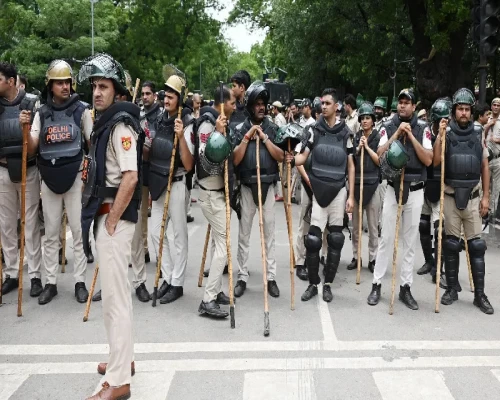
But the regulations quickly ran into resistance, largely over their definition of caste-based discrimination, which limits protection to Scheduled Castes, Scheduled Tribes and Other Backward Classes. Critics argued that by excluding students and staff from the general category, the rules created an unequal grievance framework that denied remedies to one section of the academic community while exposing another to the risk of presumptive culpability. Protests erupted across campuses and towns, particularly in north India, with demonstrators calling the rules unconstitutional and divisive. The backlash also had political fallout, with resignations reported from within the BJP’s grassroots ranks in Uttar Pradesh.
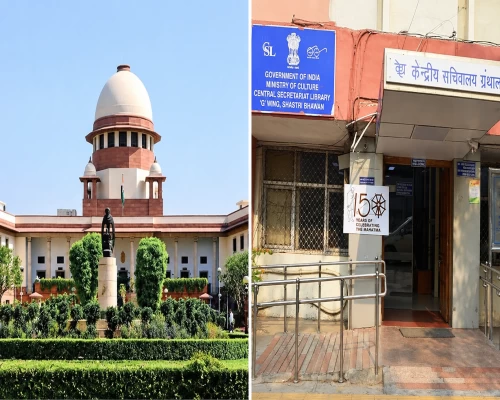
Hearing petitions challenging the regulations, a bench of the Supreme Court observed that the language of the rules appeared prima facie problematic and raised serious constitutional questions. The court cautioned that poorly defined provisions could have “grave repercussions” and potentially deepen social divisions, remarking that the issue went beyond administrative reform and touched the core of equality and social harmony. The bench issued notices to the Centre and the UGC, asking them to respond, and fixed the matter for further hearing, while directing that the 2012 equity regulations remain in force in the interim.
Supporters of the UGC’s move have maintained that the backlash ignores the reality of persistent caste discrimination in higher education and that stronger, enforceable mechanisms are long overdue to protect historically marginalised students. Opponents counter that the 2026 rules, in their present form, lack adequate safeguards against false complaints and fail to meet the constitutional test of equality before law.
With the Supreme Court pressing pause, the future of the UGC’s equity push now hinges on judicial scrutiny. For universities already caught between compliance deadlines and campus unrest, the stay offers temporary relief, but the larger question - how India’s higher education system should confront discrimination without creating new fault lines - remains unresolved and firmly before the country’s highest court.
BI Bureau