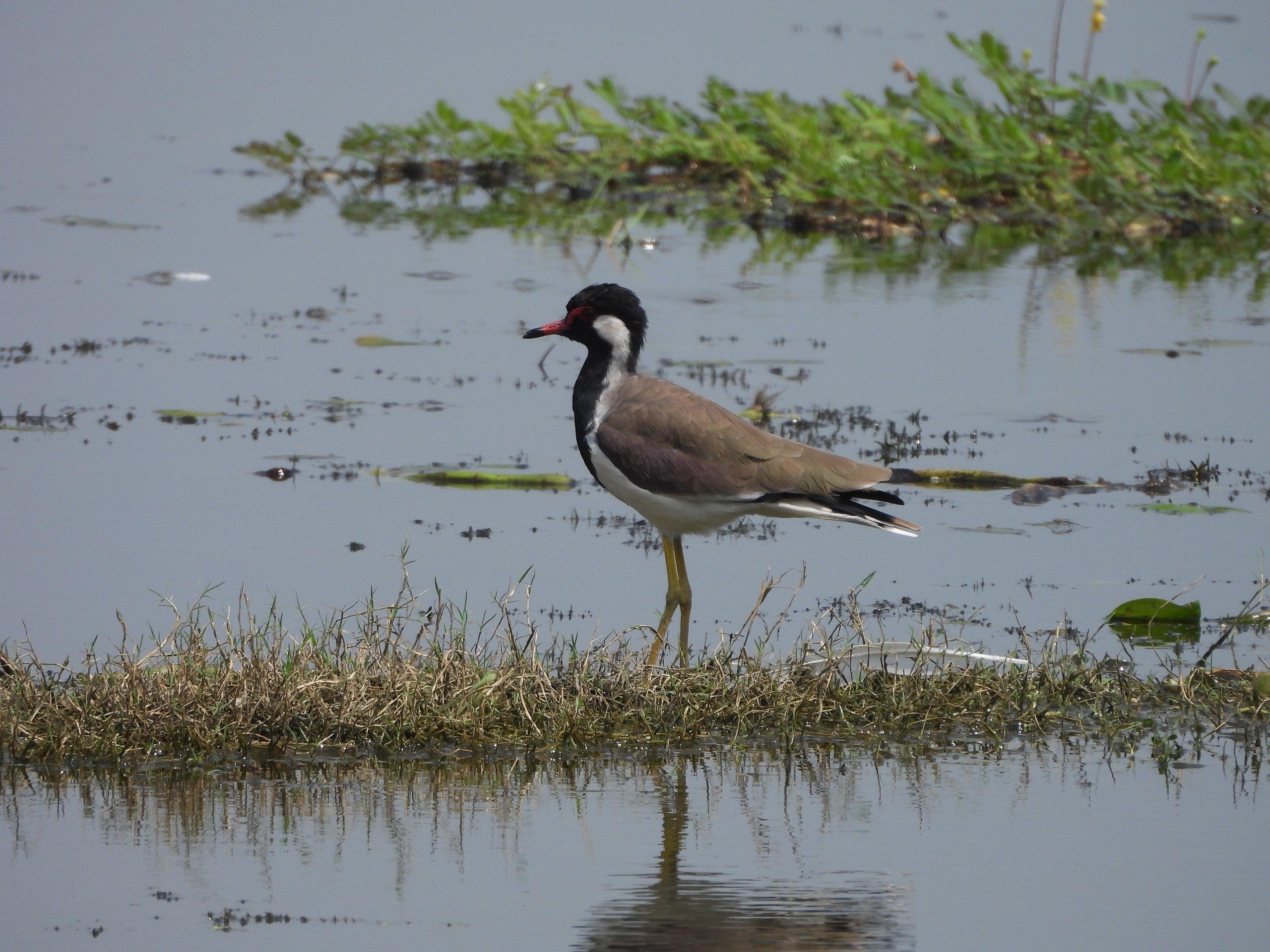
New Delhi: India has added the Jai Prakash Narayan Bird Sanctuary, popularly known as Surha Taal, to the list of Ramsar Sites, taking the country's tally of internationally recognised wetlands to 100. The announcement was made by Prime Minister Narendra Modi on World Environment Day, June 5.
Located in Uttar Pradesh's Ballia district, Surha Taal is a natural perennial oxbow lake spread across more than 3,400 hectares. The wetland was formed in 1991 through the consolidation of land from 45 villages in the Bansdih region and was renamed Jai Prakash Narayan Bird Sanctuary in 2002.
Situated around 10 kilometres from Ballia city, the wetland stretches towards Bhikampur village in the west, Singhauli in the northeast and Dulwara village in the southeast. It falls under the administrative jurisdiction of Ballia and Bansdih.
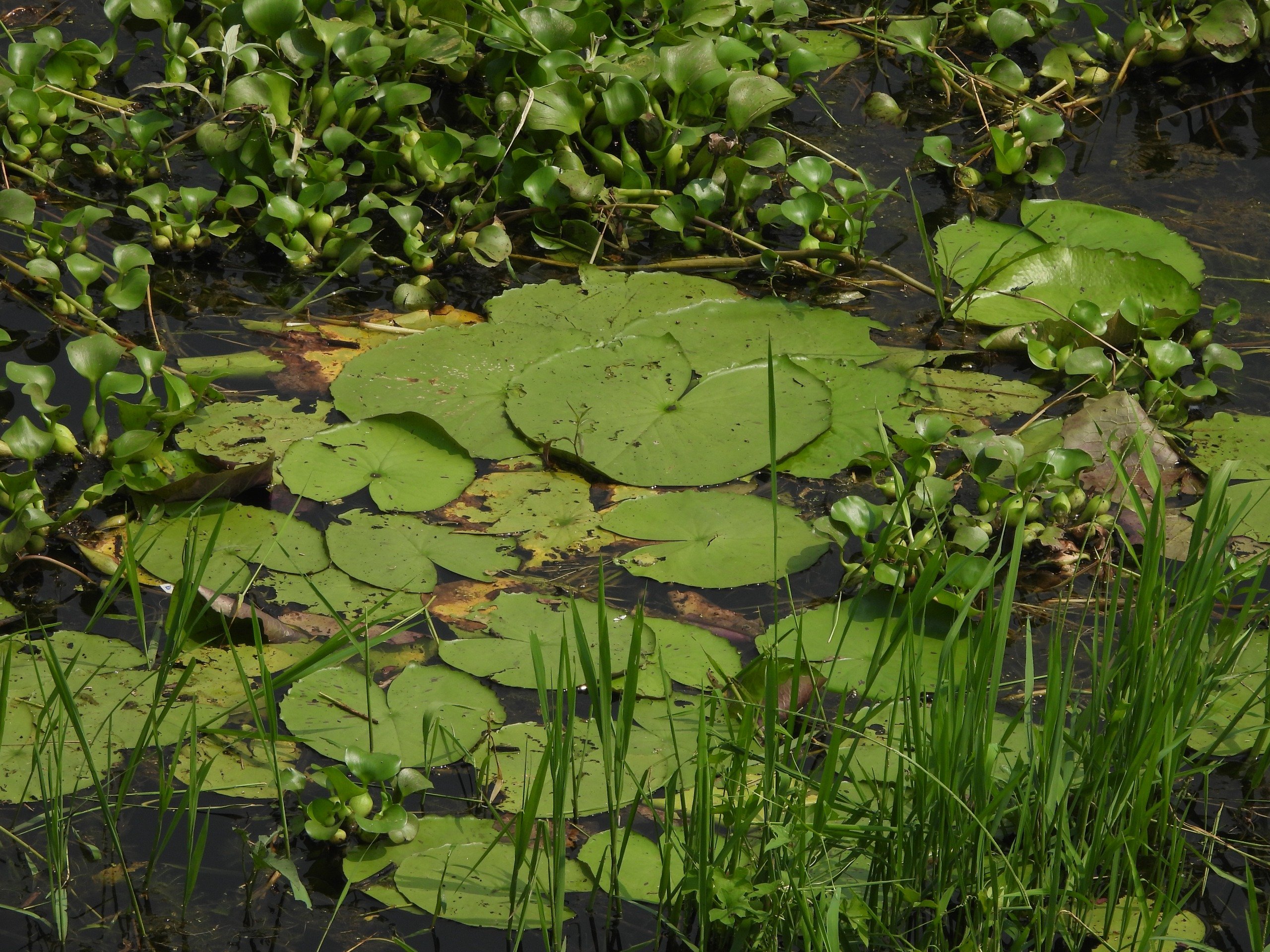
Surha Taal serves as an important wintering ground for migratory birds travelling along the Central Asian Flyway. It also plays a key role in irrigation and groundwater recharge, supporting agriculture and local biodiversity. During the monsoon season, nearly 25,000 hectares of surrounding land become submerged, significantly expanding the wetland habitat.
The latest designation has renewed attention on wetlands, ecosystems that sit between land and water and support a wide range of plant and animal species. According to the Ramsar Convention on Wetlands, wetlands include marshes, peatlands, swamps and water bodies that may be natural or artificial, permanent or temporary, and contain fresh, brackish or salt water.
India's definition is narrower. Under the Wetlands (Conservation and Management) Rules, 2017, river channels, paddy fields and certain human-made water bodies used for drinking water, aquaculture, irrigation, recreation and salt production are excluded from the wetland category.
The Ramsar Convention was adopted in 1971 in the Iranian city of Ramsar and came into force in 1975. It was the first international agreement dedicated exclusively to the conservation and sustainable use of wetlands. India became a signatory in 1982, initially nominating Chilika Lake and Keoladeo National Park as Ramsar sites.
The convention operates on three core principles: conserving wetlands of international importance, promoting the wise use of wetlands within national territories and encouraging international cooperation on shared wetland systems and migratory species. Today, it has 172 contracting parties.
Wetlands are among the world's most productive ecosystems despite covering only about 6 per cent of the Earth's land surface. They provide habitat and breeding grounds for nearly 40 per cent of all plant and animal species. Coastal wetlands also help shield communities from storm surges, hurricanes and tsunamis, offering natural protection to a large share of the global population living along coastlines.
Beyond biodiversity, wetlands support food production, fisheries, agriculture and eco-tourism. They absorb excess rainfall, helping reduce flood risks, while also storing significant amounts of carbon in their soils and vegetation. Their ability to filter pollutants and improve water quality has earned them the nickname "kidneys of the landscape".
However, these ecosystems continue to face mounting pressure. According to the Global Wetland Outlook 2025, at least 400 million hectares of wetlands have disappeared since 1970, while nearly one-quarter of those that remain are in a degraded condition.
“Wetlands provide society with up to $39 trillion in benefits each year—but we continue to lose them at a rate of 0.52% annually”, as per the Global Wetland Outlook Report (2025).
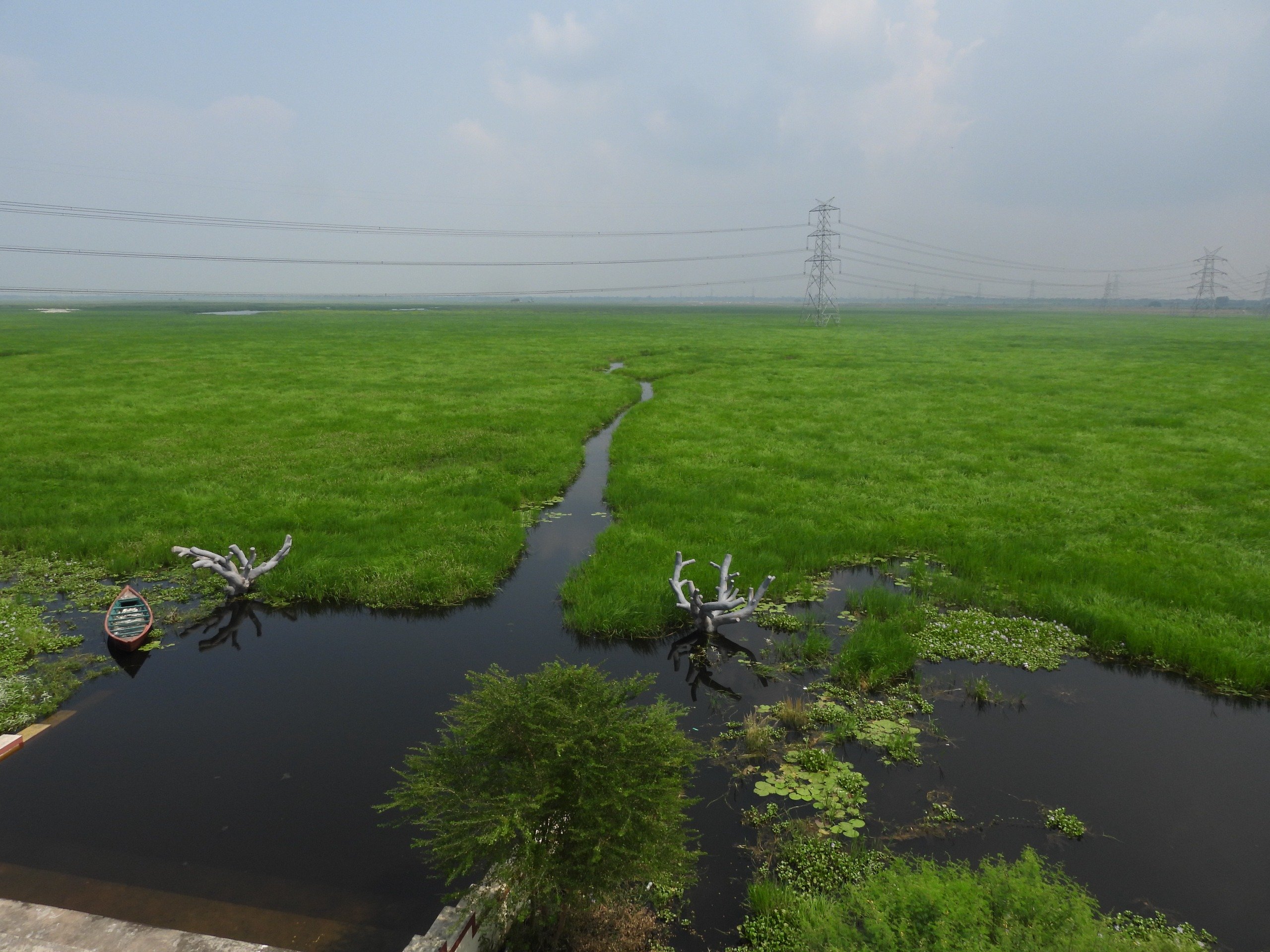
The report notes that wetland loss is largely driven by conversion of natural wetlands for agriculture, aquaculture, forestry, urbanisation, industrialisation and recreational activities. Pollution, unsustainable land-use practices and climate change are further intensifying the decline by disrupting hydrological systems and altering rainfall patterns.
The report also highlights the importance of mangroves, a type of coastal wetland found in tropical and subtropical regions. According to the Global Mangrove Watch, mangroves currently cover 15.11 million hectares globally and remain critical for coastal protection, biodiversity conservation and carbon storage.
World Wetlands Day is observed every year on February 2 to raise awareness about the importance of conserving wetlands. The theme for 2025 is “Wetlands and traditional knowledge: Celebrating cultural heritage”.
BI Bureau