Bengaluru: Bengaluru is preparing for a significant expansion of its rail infrastructure with plans for India’s first fully elevated railway terminal at Yelahanka. Proposed by South Western Railway, the Rs 6,000 crore project is designed as an airport-style rail hub that could become the city’s fourth major terminal, easing pressure on existing stations.
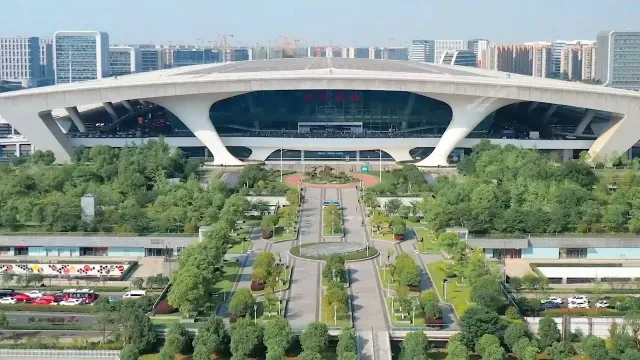
Planned across nearly 20 acres, the terminal will feature 16 platforms, a sharp rise from the five platforms currently available at Yelahanka station. Land for the project is proposed to be sourced from multiple parcels, including 15 acres from the Railway Wheel Factory campus, around two acres of private land, and the existing station area. The concept draws inspiration from China’s Hangzhou railway station and aims to modernise passenger handling in India’s technology capital.
The proposal comes amid mounting strain on Bengaluru’s rail network. Passenger traffic has risen steadily, with festival seasons placing exceptional demand on infrastructure. South Western Railway officials say the new terminal is intended to manage this growth more efficiently, while also creating capacity for future expansion. The project is proposed under a public-private partnership or Design, Build, Finance, Operate and Transfer model and is currently awaiting approval from the Railway Board.
A senior railway official described it as “the country’s first fully elevated railway terminal.” The defining feature of the design is its vertical layout, intended to address land constraints in a city where space comes at a premium. Train tracks are planned at the basement and ground levels, while concourses, ticketing areas, waiting halls and platforms will be stacked above. Passenger flows will be segregated, with arriving travellers exiting through a lower basement and departing passengers accessing platforms via the main concourse.
Connectivity has been built into the plan. The terminal is proposed to link directly with Kogilu Cross Metro station on the Blue Line, along with an elevated road connection and a primary entrance from the Yelahanka–Doddaballapur highway. Railway engineers say this configuration is expected to reduce congestion and improve passenger movement, similar to modern airport terminals.
Bengaluru’s existing terminals, KSR Bengaluru, Yeswantpur and Sir M Visvesvaraya Terminal, currently handle 140 originating, 139 terminating and 142 through trains every day. During Deepavali this year, South Western Railway managed more than 9.5 lakh passengers in a single day, operating a record 316 trains, with the Bengaluru division bearing much of the load.
“In a city like Bengaluru, land is very expensive, so vertical development makes more sense,” the railway official told Moneycontrol. The proposed terminal will include 10 stabling lines and 15 pit lines for train maintenance, aimed at ensuring smoother operations and quicker turnarounds.
While the project remains at an early stage and timelines are yet to be finalised, officials see Yelahanka’s location on the northern edge of the city as an advantage. It is expected to improve suburban connectivity while reducing pressure on central corridors. If approved, the terminal could also serve as a reference point for similar vertical rail developments in other land-scarce Indian cities such as Mumbai and Delhi.
For commuters, the plan promises improved facilities, reduced crowding and closer integration between metro and rail networks. As the proposal moves through approvals, attention will be on how quickly this elevated vision can move from planning tables to construction sites.
BI Bureau