New Delhi: The Goods and Services Tax (GST) Council on Wednesday approved wide-ranging reforms to overhaul the eight-year-old tax regime, introducing a two-slab structure of 5 per cent and 18 per cent, with a demerit rate of 40 per cent for luxury and sin goods. The decisions were taken at the 56th Council meeting, which lasted 10.5 hours, and will come into effect on September 22, the first day of Navratri.
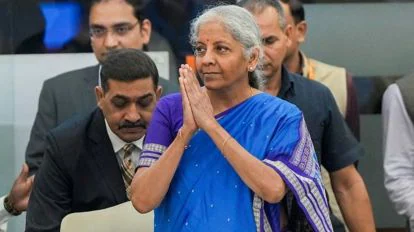
Union Finance Minister Nirmala Sitharaman, who chaired the meeting attended by ministers from 31 states and Union Territories, said the reforms would reduce the tax burden on common-use items, simplify compliance, correct inverted duty structures and provide relief to industries.
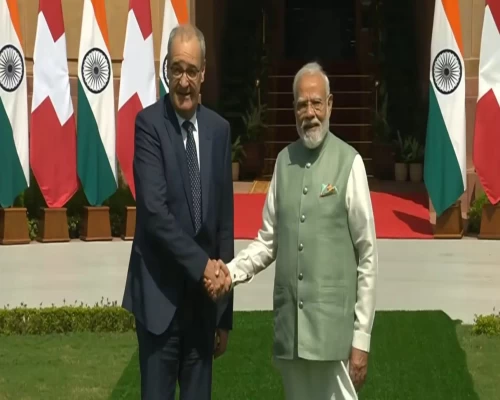
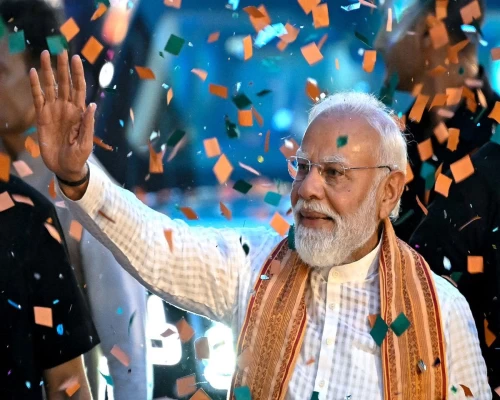
Prime Minister Narendra Modi welcomed the decisions, saying in a statement, “The wide ranging reforms will improve the lives of our citizens and ensure ease of doing business for all, especially small traders and businesses.” He added that the collective decision of the Union and states would benefit the common man, farmers, MSMEs, middle class, women and youth.
Sweeping rate cuts were announced across packaged food, household items and medical products. Goods such as butter, cheese, condensed milk, fruit juices, gauze, bandages and diagnostic kits will now attract 5 per cent GST instead of 12 per cent. Items such as pizza bread, khakra, paneer, plain chapati and erasers will move to the nil rate. Household products including soaps, shampoos, toothpaste, toothbrushes, bicycles, tableware and kitchenware have been reduced to 5 per cent from higher slabs. White goods including air conditioners, dishwashers and televisions will now be taxed at 18 per cent instead of 28 per cent. Small cars and motorcycles under 350 cc will fall under the 18 per cent slab, while bigger cars will be taxed at 40 per cent. GST on electric vehicles remains at 5 per cent.
Another key reform was the exemption of GST on all individual health insurance policies, including family floaters and senior citizen plans, along with life insurance products such as term, ULIP and endowment policies. Wellness services such as gyms, salons, barbers and yoga centres will now be taxed at 5 per cent instead of 18 per cent.
Sitharaman said the reforms focused on easing the burden for citizens. “Every tax levied on common man’s daily use items has gone through a rigorous look into. And, in most cases, the rates have come down drastically. Labour-intensive industries have been given good support. Farmers and agriculture as a whole will also benefit by the decisions we have taken today; health related also will benefit. So, the key drivers of the economy have been given prominence,” she told reporters.
On the fiscal side, Revenue Secretary Arvind Shrivastava said, “We have estimated a figure. We expect that the net fiscal implication – we would not call it a revenue loss because that doesn’t seem to be the correct terminology – but net revenue implication of this proposal is expected, we have estimated it to be around Rs 48,000 crore. This is on the consumption base of 2023-24, because that is where we had all the segregated data.”
The Confederation of Indian Industry (CII) welcomed the changes. Chandrajit Banerjee, Director General of CII, said, “CII not just welcomes the GST Council’s forward-looking decisions – moving to two rates of 5% and 18% from 22 September, simplifying refunds and MSME procedures, and exempting individual life and health insurance from GST – but also sees this as pathbreaking. This clarity will ease compliance, reduce litigation, and give businesses and consumers the predictability they need. By lowering rates on everyday items and critical inputs, the reforms provide immediate relief to families and strengthen the foundation for growth. CII strongly holds the view that Industry would swiftly pass benefits to the consumers and partner with the Government to ensure a smooth, timely rollout that lifts demand and supports jobs.”
BI Bureau