New Delhi: In a landmark move to boost self-reliance in defence and technology, India will invest Rs 65,400 crore to develop and manufacture indigenous fighter jet engines by 2035, giving a major thrust to the government’s Aatmanirbhar Bharat vision.
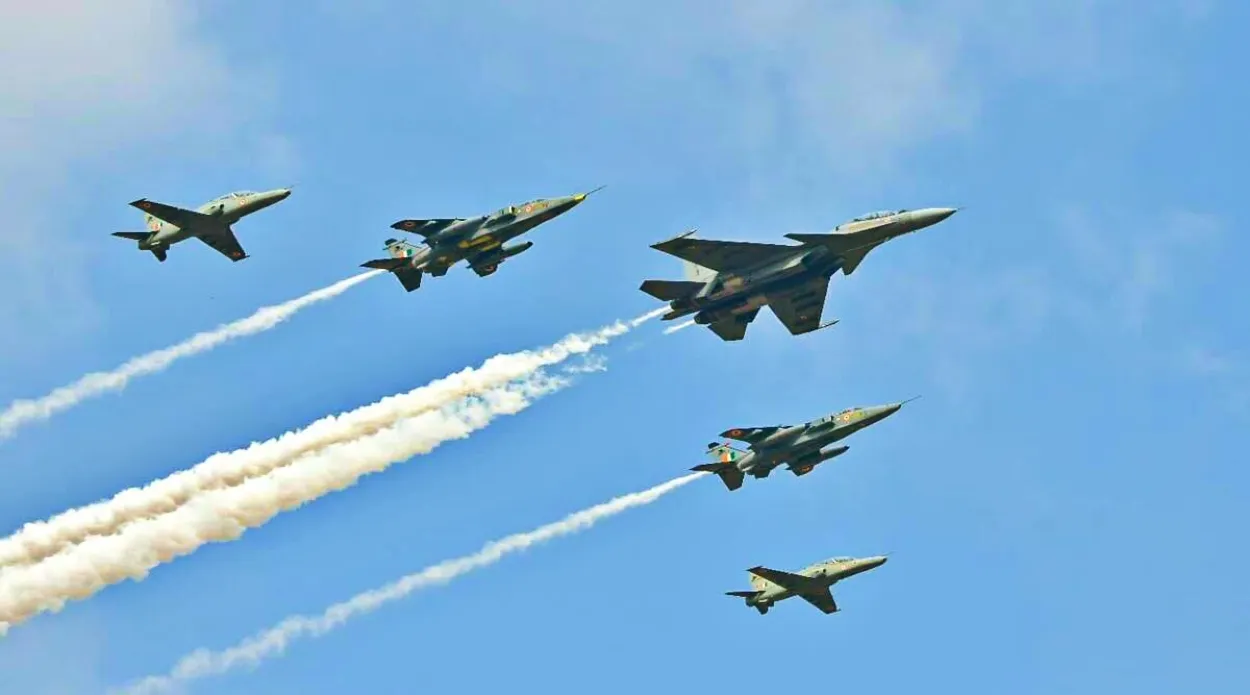
The ambitious mission, led by the Defence Research and Development Organisation’s (DRDO) Gas Turbine Research Establishment (GTRE), seeks to power India’s future fleet, including the Tejas Mk2, the Advanced Medium Combat Aircraft (AMCA), and next-generation unmanned combat aircraft, entirely with engines designed and built in India.
Officials estimate that India will require around 1,100 engines over the next decade to support its expanding Air Force fleet. The programme will rely on a mix of indigenous R&D, public-private collaboration, and strategic partnerships with global engine leaders such as GE (USA), Safran (France), and Rolls-Royce (UK).
A senior defence official said the project represents “a defining leap towards true technological sovereignty.” “Mastering jet engine technology is among the hardest feats in aerospace. This mission puts India on the path to join the elite few nations capable of designing and producing their own fighter jet engines,” he added.
The initiative is expected to significantly enhance India’s air power and operational independence. By 2035, the Indian Air Force aims to operate 42 squadrons, with nearly 450 new fighters expected to fly on Indian-built engines.
The effort also revives India’s earlier Kaveri engine programme, integrating lessons from its challenges and expanding its scope to include advanced unmanned aircraft. Parallel talks with France’s Safran aim to co-develop a fifth-generation engine for the AMCA, bringing cutting-edge technology and material science expertise to India.
While the road ahead is complex, with high technical and testing demands, experts believe India’s focused investment and partnerships make this goal achievable. The government is also strengthening testing infrastructure, simulation labs, and design facilities to ensure steady progress.
“This is India’s moment to redefine its place in the aerospace world,” said a senior DRDO scientist. “We have built our aircraft and missiles — now we will master the engines that power them. That is the true spirit of Aatmanirbhar Bharat.”
If successful, the Rs 65,400-crore mission will not only power India’s fighter jets but also propel the nation into the league of countries like the US, UK, France, and Russia that design and build advanced jet engines - a milestone in India’s march towards self-reliant defence capability.
BI Bureau