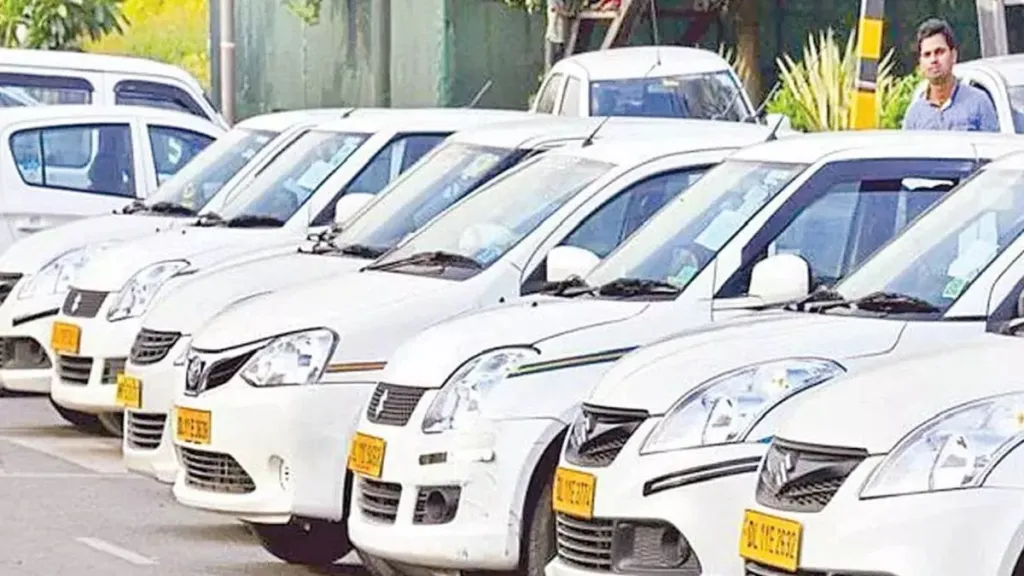
New Delhi: If booking a cab on a rainy evening or during office rush has meant watching fares spiral on Ola and Uber, Delhi commuters may finally be in for some relief. From January 1, the capital will see the launch of Bharat Taxi, a government-backed ride-hailing app that aims to disrupt the cab market by taking head-on the biggest public grievance against existing aggregators - unpredictable surge pricing.
Positioned as a cooperative alternative to private platforms, Bharat Taxi enters a space dominated for over a decade by Ola and Uber, whose dynamic pricing models have drawn growing criticism from both passengers and drivers. The new app promises transparent, stable fares, with officials pitching it as a commuter-first platform that puts an end to the familiar shock of fares doubling or tripling during peak hours, bad weather or festive seasons.
For the everyday commuter, the pitch is simple: book a ride without second-guessing the final bill. For drivers, the promise is equally significant. Unlike private aggregators that take hefty commissions, Bharat Taxi is designed to pass on a much larger share of the fare - over 80% - directly to drivers, a move expected to ease long-standing resentment over shrinking take-home earnings.
The response from the driver community has been swift. Tens of thousands of drivers in Delhi have already registered on the platform ahead of its launch, reflecting both economic fatigue with existing apps and cautious optimism about a more equitable model. The app will offer bookings across autos, bikes and cars, with real-time tracking and a simplified interface aimed at mass adoption.
Industry watchers say the real test will begin once the app goes live. While Ola and Uber still enjoy massive scale, deep tech integration and habitual users, Bharat Taxi’s entry could force a reset in pricing discipline, especially if commuters begin to see it as a dependable alternative rather than a symbolic government intervention.
As the New Year begins, Delhi’s crowded roads may witness more than just traffic - they could see the start of a fare war where, for once, the biggest winners might be commuters and drivers alike.
BI Bureau