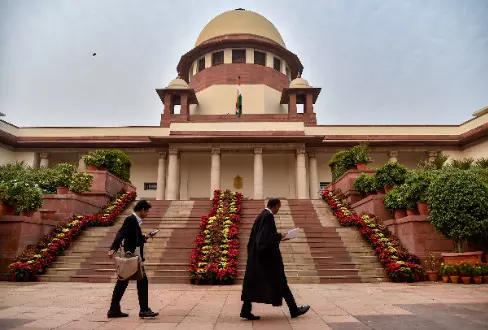
New Delhi: In a stern message that could redefine how Indians consume and create online content, the Supreme Court on Thursday said the 'free-for-all' nature of social media can no longer continue, urging the Centre to set up an autonomous regulatory body to monitor abusive, obscene and harmful user-generated content.
Hearing a batch of petitions, including those linked to recent FIRs against YouTubers over offensive content, a bench of Chief Justice Surya Kant and Justice Joymalya Bagchi said that self-regulation has 'utterly failed' and someone 'must be accountable' for what goes online. The court observed that anyone can create a channel and reach millions 'without any checks', making the ecosystem ripe for misuse, from vulgarity and hate speech to targeted insults against vulnerable communities.
Calling the current framework 'inadequate for the scale at which content is produced', the SC asked the government to consider a stricter, independent oversight mechanism that is free from state and corporate influence. The bench also suggested age-verification for adult content, clearer content-rating systems, and advance warnings before sensitive material - saying platforms cannot hide behind the argument that they merely host user-generated content.
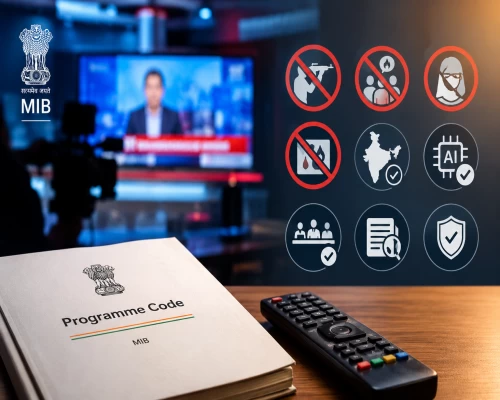
The government informed the court that new guidelines for social media and OTT content are in the final stages and a draft will be put in the public domain within weeks. The bench, however, stressed that the rules must address the rapidly evolving nature of digital platforms, warning that unchecked content can have real-world consequences and often spreads faster than traditional media can respond.
While the case that triggered this intervention involved online creators facing action over allegedly derogatory remarks, the court said the issue extends far beyond individual incidents. With millions of Indians consuming unfiltered content daily, the bench noted that the digital space now demands the same accountability expected of print and television.
The ruling marks one of the strongest indications yet that India is poised for a new regime of online content regulation - one that could impact creators, platforms and audiences alike. The court will take up the matter again after the Centre presents its proposed framework.
BI Bureau