New Delhi: “Action. Not just promises. Everyone said 22nd September, we said now.” With this punchy tweet, Mahindra Group Chairman Anand Mahindra captured the festive mood sweeping markets and boardrooms alike. His company, Mahindra & Mahindra, became the first passenger vehicle brand to pass on the full GST benefits across its entire ICE SUV portfolio from September 6, well before the official rollout.
That one line sums up the larger sentiment across India: the “Next-Generation GST” reforms unveiled three days ago are not just numbers on paper, but a reality already reshaping bills, balance sheets, and consumer choices. From Amul to Bata, Wonder Cement to auto majors, industries are hailing the move as a masterstroke and thanking Prime Minister Narendra Modi, calling it nothing short of a “Diwali-before-Diwali” moment.
The landmark reforms were announced at an unusual 11 pm press conference by Finance Minister Nirmala Sitharaman on September 3, following the 56th meeting of the GST Council. Estimated to cost the Centre and states ₹48,000 crore, the overhaul simplified the tax regime into two main slabs of 5% and 18%, while retaining a steep 40% for luxury and sin goods.
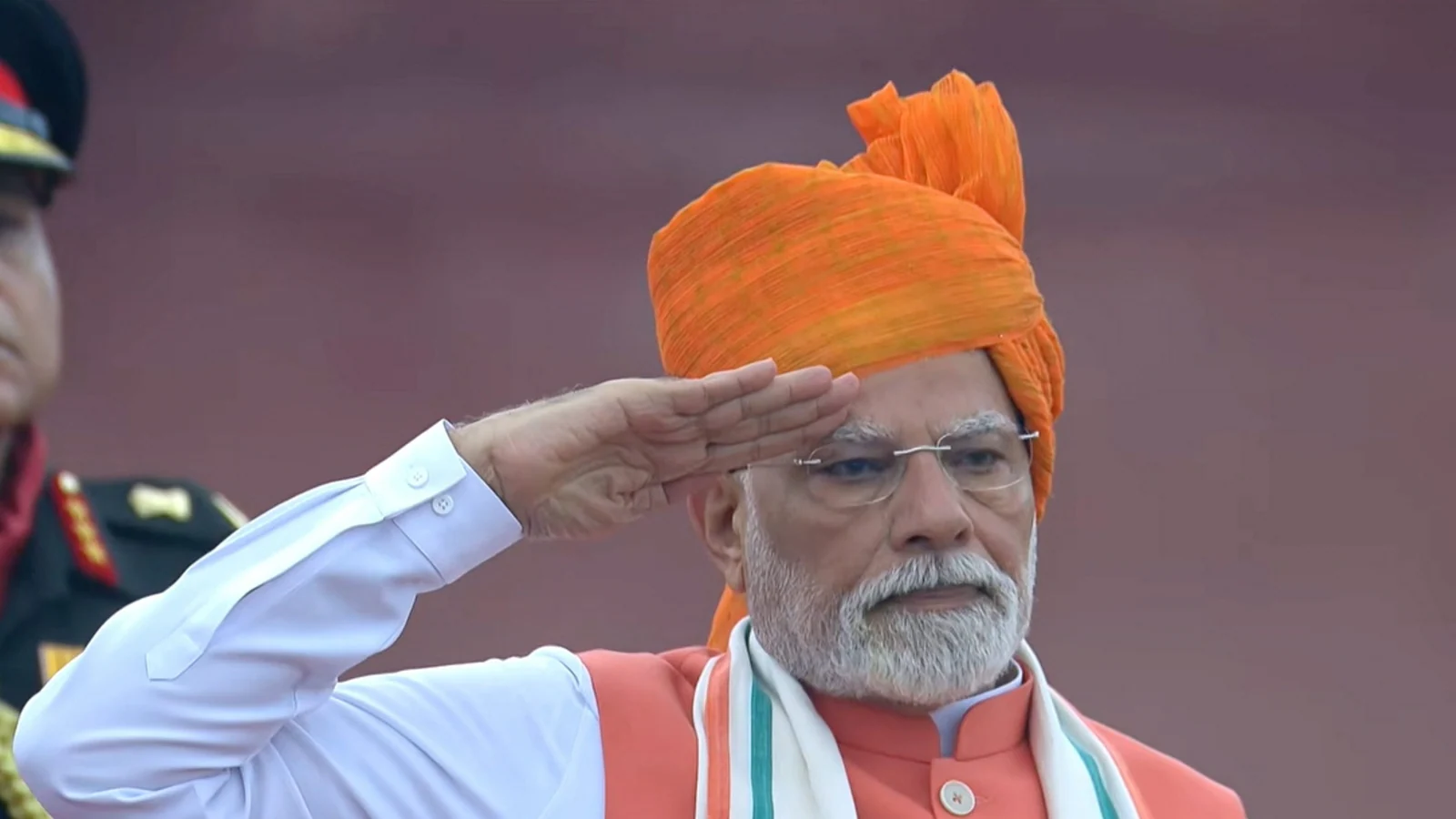
Prime Minister Modi had foreshadowed this move in his Independence Day address, promising GST rationalisation by Diwali to ease the burden on households, support MSMEs and local vendors, and make the economy more citizen-friendly. “These next-generation reforms are a gift for every Indian this Diwali. Taxes for the general public will be reduced substantially,” he said.
The relief has been sweeping. Daily essentials like hair oil, shampoo, toothpaste, soap, toothbrushes, and bicycles are now taxed at just 5%. Food staples such as butter, ghee, paneer, namkeen, and bhujiya too are down to 5%, while items like ultra-high temperature milk, chena, and traditional breads including roti and paratha are exempted entirely. In healthcare, GST on individual health and life insurance has been removed, while critical medical products like thermometers, medical oxygen, diagnostic kits, and spectacles now attract only 5%. Automobiles and white goods have also seen cuts, with small cars, motorcycles up to 350 cc, ACs, and dishwashers brought down from 28% to 18%.
Mahindra’s quick move to pass on GST savings has set the pace, and experts predict other automakers and FMCG players will follow suit in the weeks ahead. For industries, the reforms mean stability and renewed demand. For consumers, it’s immediate relief - and a festive season that has already begun to shine.
India’s “Diwali before Diwali” is here, and both citizens and companies are celebrating.
BI Bureau