New Delhi: If you’ve been coughing, sneezing, or running a fever that just won’t go away - you’re not alone. Doctors across Delhi-NCR are reporting a sharp spike in influenza A (H3N2) cases, with households seeing multiple members down with flu-like symptoms at the same time. What makes this wave particularly worrying, experts say, is how the changing weather, poor air quality, and even recent flooding are working together to fuel the spread.
Children, older adults, pregnant women, and those with conditions like asthma, COPD, diabetes, or heart disease are most at risk of severe complications. “Cases of influenza due to H3N2 are rising. Major symptoms include fever, cough, sore throat, and muscle pain,” said Dr. Animesh Ray, Additional Professor, Department of Internal Medicine at AIIMS. “Though most cases are mild, yet those with comorbidities may face complications like pneumonia or even lung failure,” he added.
A LocalCircles survey of over 11,000 households revealed that nearly 69% reported at least one member showing flu-like symptoms this month. Many patients are experiencing fever that lingers for up to a week, along with cough that persists long after other signs subside.
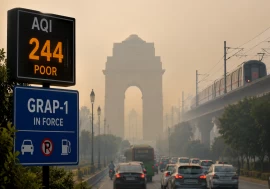
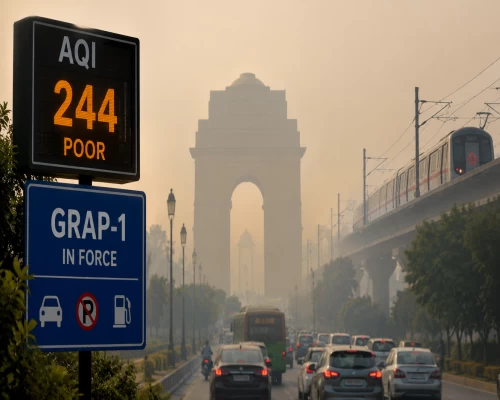
While seasonal flu during monsoon is not new, doctors point out that environmental triggers are aggravating the spread this year. “High humidity allows virus particles to remain suspended in the air for longer. At the same time, poor air quality weakens respiratory defenses, making people more vulnerable,” explained Dr. Leelamohan PVR, Consultant at Rainbow Hospital.
Flooding has added another layer of risk by damaging sanitation systems, forcing people into crowded shelters, and increasing exposure to infectious conditions. “All these factors combined create a perfect storm for the virus to thrive,” Dr. Leelamohan noted.
Experts stress that vaccination, hygiene, and timely precautions remain the best defense. “The cases are rising because of changing weather conditions and lack of vaccination,” said Dr. Atul Gogia, senior consultant at a leading city hospital. Doctors advise hand washing, mask usage, isolating sick individuals, and taking annual flu vaccines — ideally before the monsoon season — to curb infections.
Public health experts also recommend ramping up awareness drives to educate people about early symptoms and when to seek medical care. Early detection, they say, can help prevent hospitals from being overwhelmed during seasonal peaks.
As climate change brings more unpredictable weather patterns, health experts warn that flu outbreaks like H3N2 could become more frequent and more severe, making preparedness all the more crucial.
BI Bureau