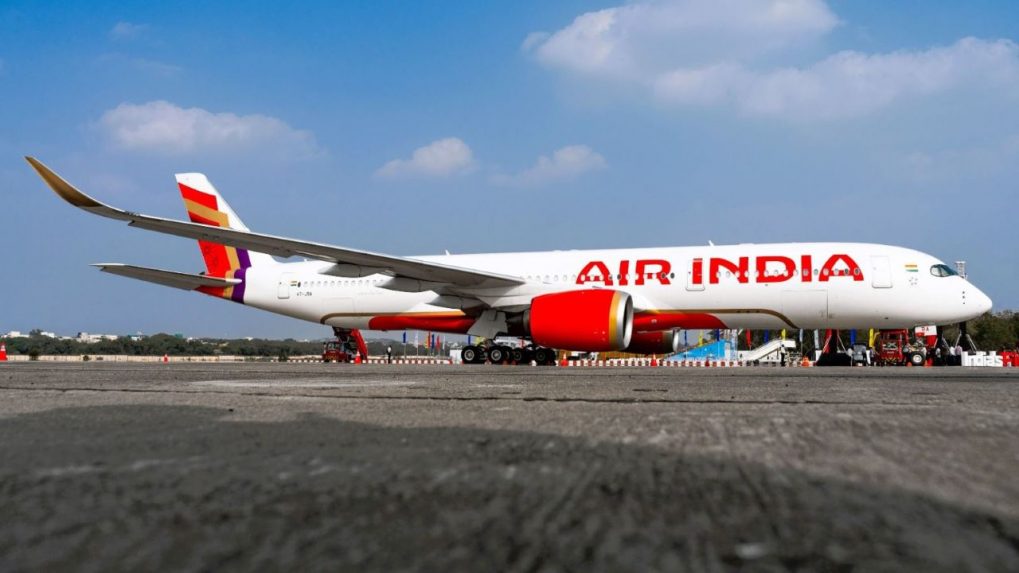
New Delhi: India’s aviation regulator has directed airlines to avoid flying through nine airspaces in West Asia, citing a sharp deterioration in the regional security situation and rising risks to civil aviation.
The Directorate General of Civil Aviation (DGCA), in its latest advisory, asked carriers to stay away from the airspaces of Bahrain, Iran, Iraq, Israel, Jordan, Kuwait, Lebanon, Qatar and the United Arab Emirates. The regulator said airlines should “refrain from operating within the affected airspace...at all flight levels and altitudes”.
The directive comes amid escalating geopolitical tensions in the Middle East, where ongoing conflict has led to airspace restrictions and heightened threats to aircraft safety. Authorities have flagged the region as high-risk, prompting similar warnings from global aviation bodies.
The DGCA said that any operations in or near the affected region must be based on thorough safety risk assessments by airlines. It added, “Operations to airports in the affected region, where other international carriers are currently operating, must involve robust contingency planning to cover all eventualities, as part of the safety risk assessments by the operators.”
Airlines have also been advised to keep flight crews updated with the latest Notices to Airmen (NOTAMs) and airspace restrictions, ensuring real-time awareness of any developments that could impact flight safety.
While some airspaces remain partially accessible, the regulator has imposed altitude restrictions over certain regions. Flights over Saudi Arabia and Oman are permitted only under specific conditions, with airlines instructed not to operate below 32,000 feet in designated zones.
The advisory is effective immediately and will remain in place until March 28, unless revised based on evolving conditions.
The restrictions are expected to disrupt flight operations between India and destinations in the Gulf, Europe and North America. Airlines may be forced to reroute flights, leading to longer travel times, increased fuel consumption and possible delays for passengers.
The latest move highlights growing concerns over aviation safety as conflict in West Asia continues to impact global air travel and operational planning for airlines.
BI Bureau