On a recent drive to the sacred Kamakhya Temple, a conversation with a taxi driver captured the essence of Assam’s public mood. Asked about the outcome, he replied with quiet confidence: “They will win.” Why? “The progress that we see all around, and especially in Guwahati in the past 10 years, is too loud to be ignored, and people are smart.” As the vehicle moved along a newly developed route easing access to the shrine, once served by a single congested road, the answer seemed to speak for itself. In Assam today, governance is no longer an abstract promise, it is visible, measurable, and deeply felt.
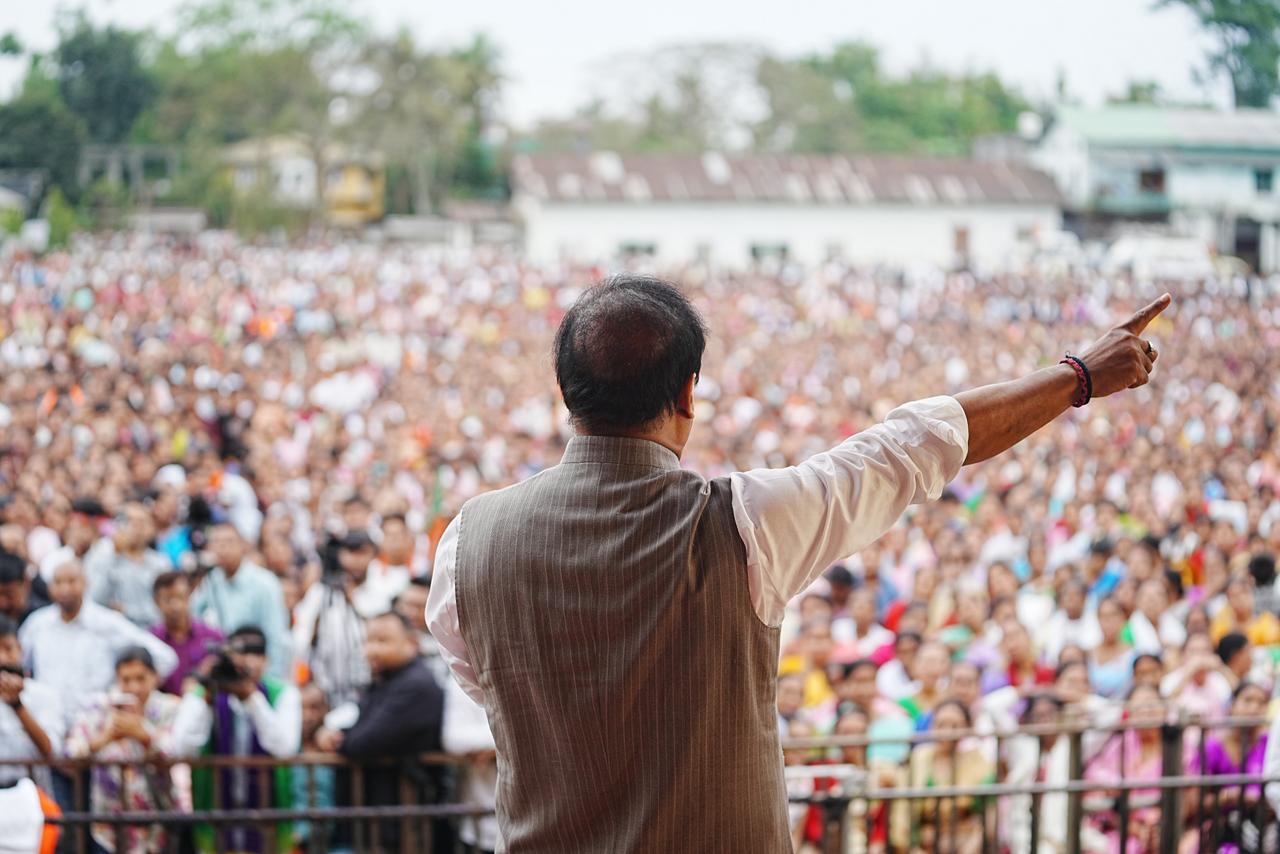
The return of the Bharatiya Janata Party for a third consecutive term in 2026 reflects this shift, but the scale and nature of the verdict point equally to something more specific, the consolidation of Himanta Biswa Sarma as a governance-centric leader. This was the first election where he stood clearly as the principal face of the campaign, and the outcome suggests that the mandate is as much about his model of governance as it is about the party. For the first time, the BJP has crossed the majority mark on its own in Assam, improving upon earlier performances that depended on allies.
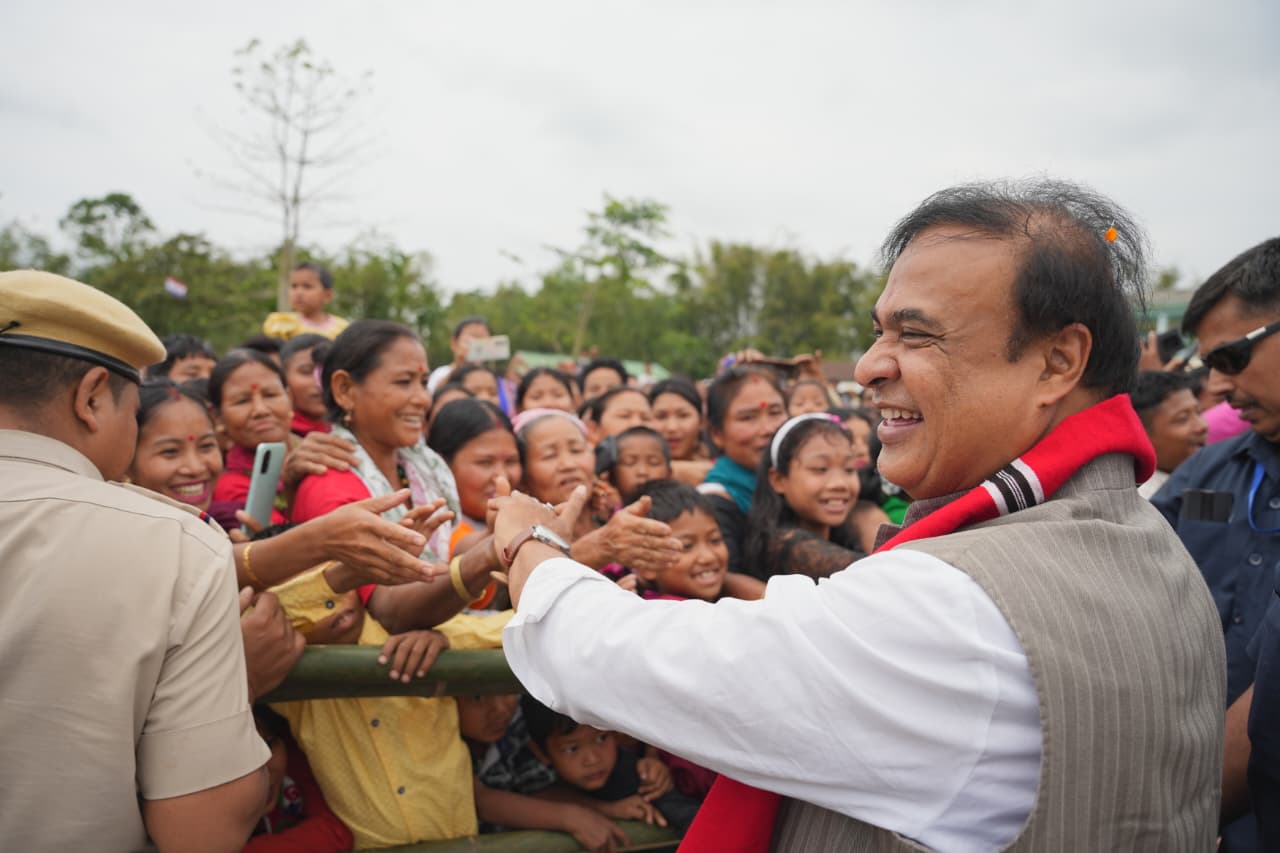
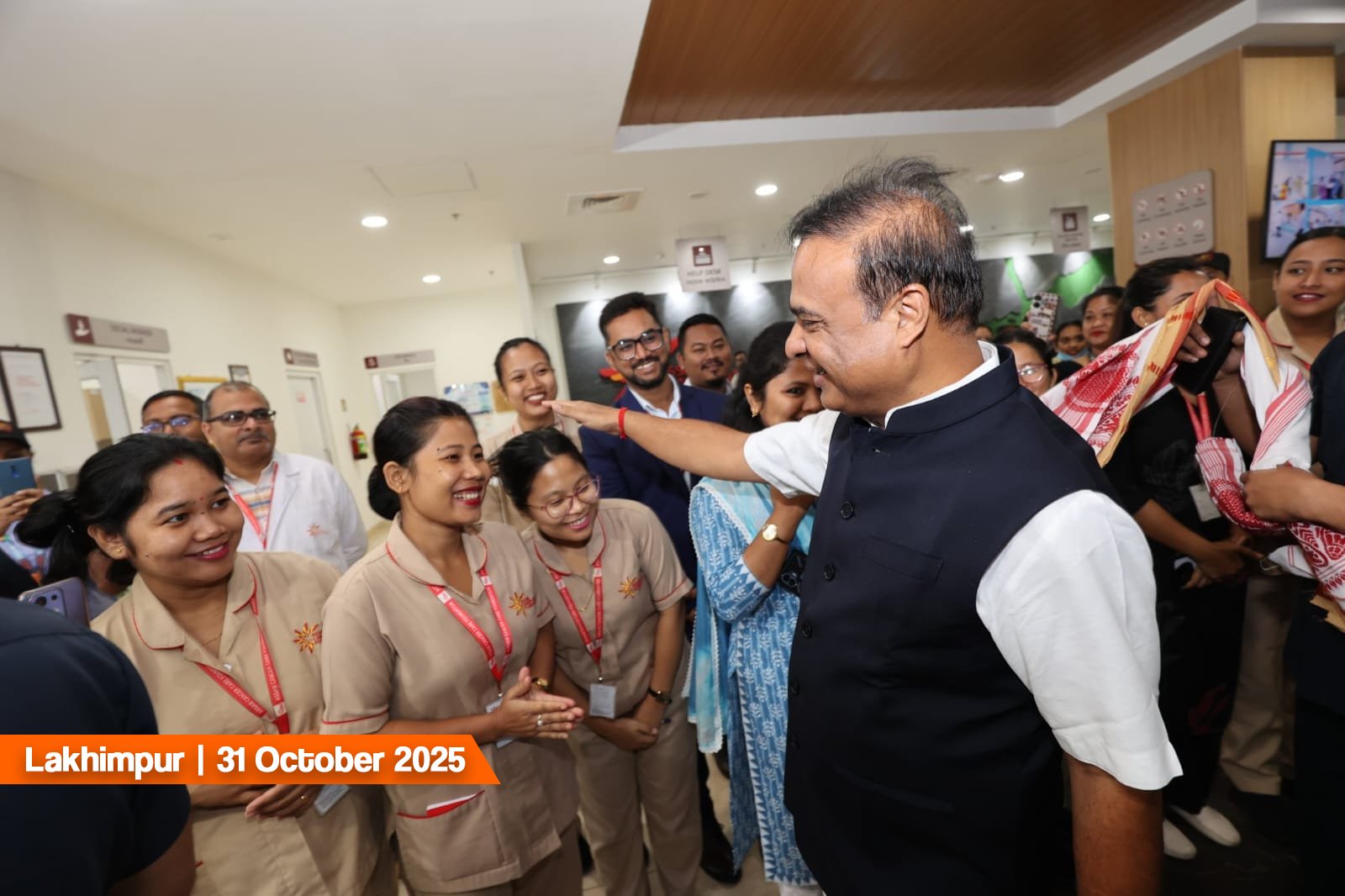
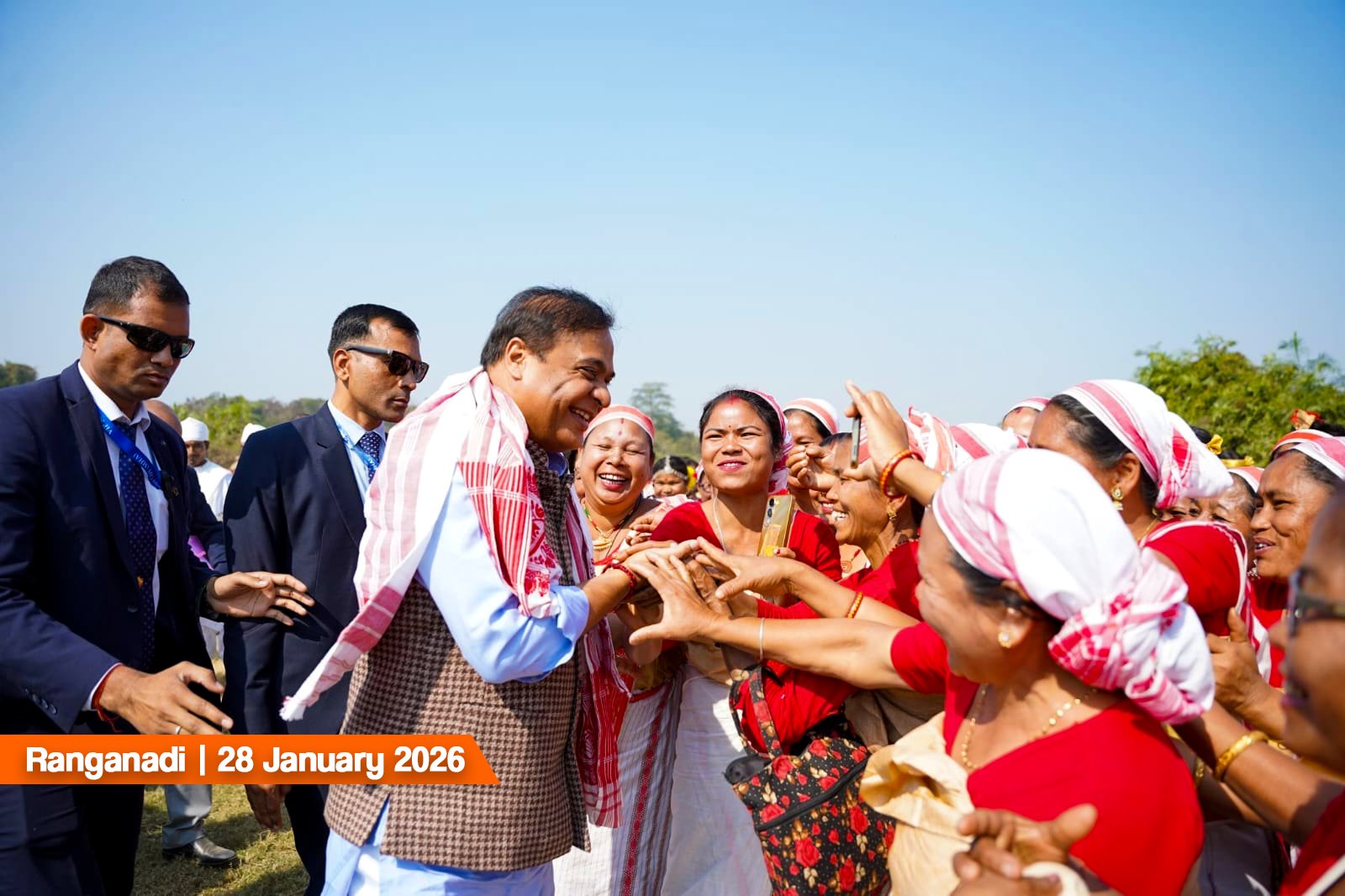
That mandate is rooted in a combination of delivery, administrative depth, and a rare connect with people. Across Assam, Sarma is widely known as “Mama”, a term that reflects familiarity and accessibility. Schoolchildren greet him with ease, beneficiaries often refer to him in personal terms, and his public persona carries a blend of authority and approachability. His speeches increasingly echo the concerns of indigenous communities, giving him both an emotional and administrative connect with the people.
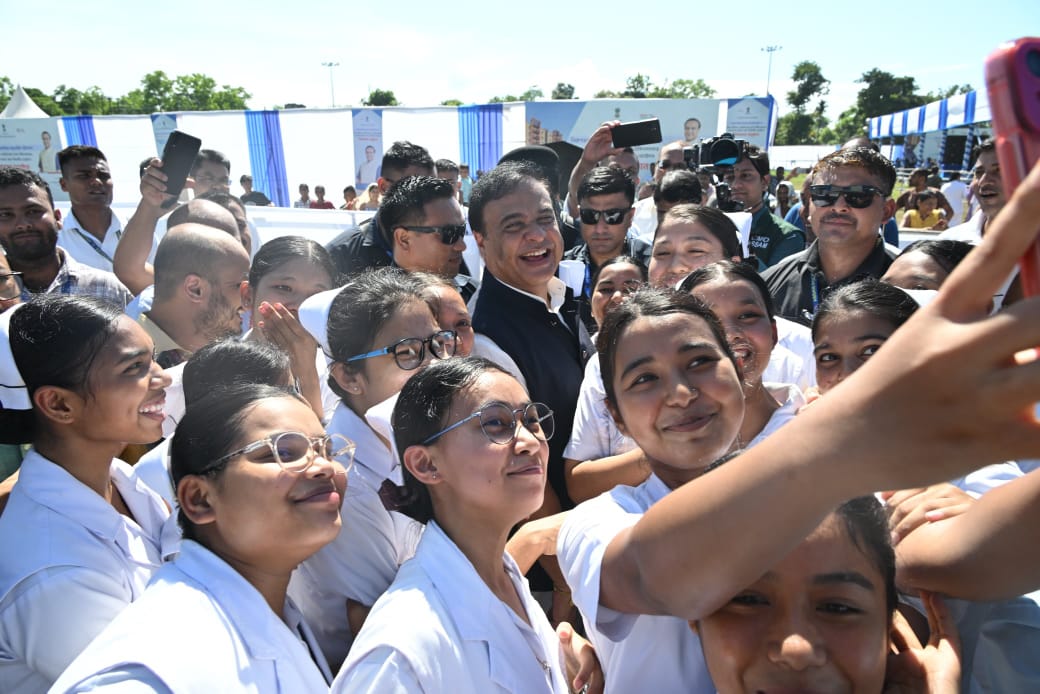
Sarma’s governance approach draws from over two decades of experience in public life, beginning as a legislator in 2001 and spanning key roles in finance and health. This long administrative exposure has shaped a system where policy design is closely linked to execution. Schemes are structured not just for announcement value, but for reach, ensuring that benefits flow down to the last mile.
His leadership during the COVID-19 crisis, when he served as Assam’s Health Minister, remains a defining example of this approach. He led the expansion of hospital infrastructure, scaled up testing to millions, ensured oxygen availability, and operationalised emergency care systems rapidly. Equally important was his constant public engagement, responding directly to citizens and coordinating relief on the ground. It reinforced the image of governance that is present, responsive, and accountable.
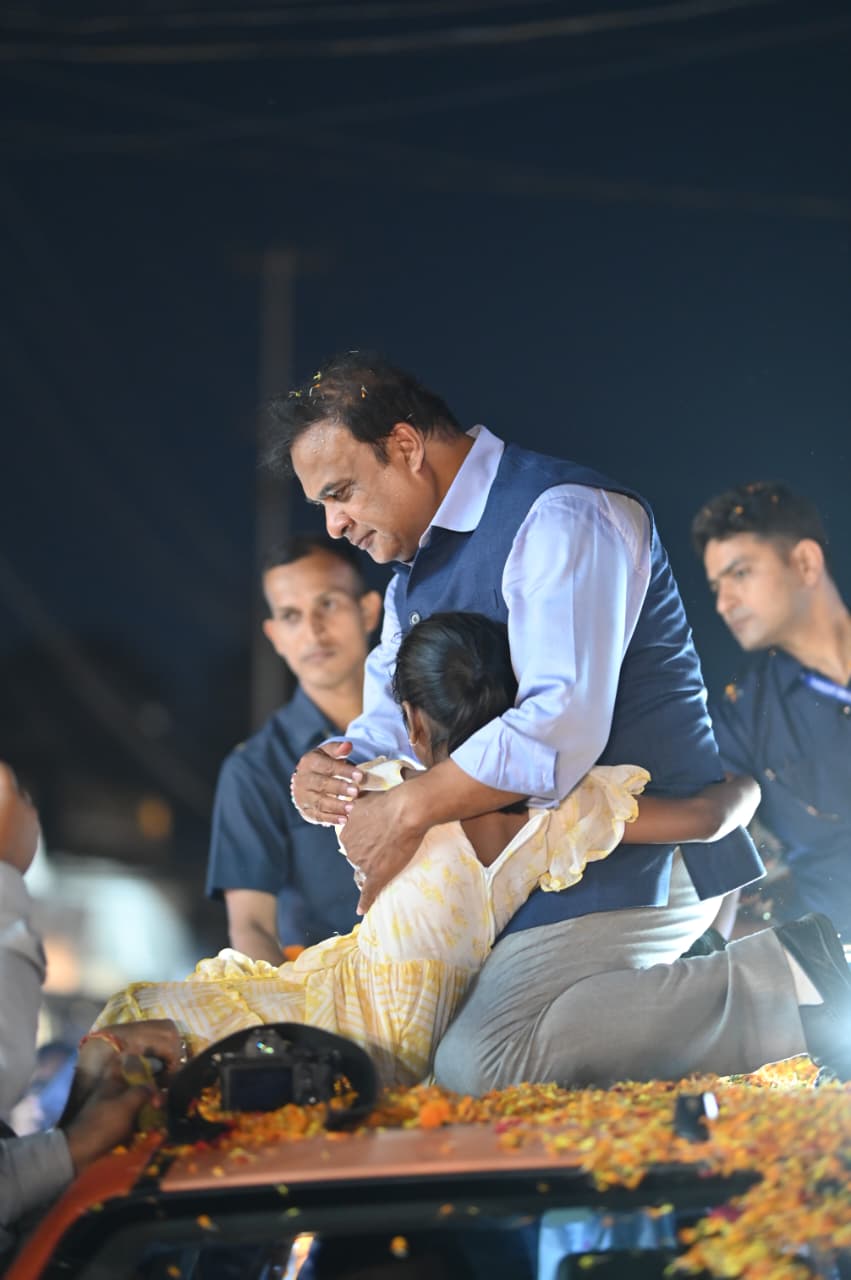
That style has continued in office. Sarma is known for maintaining a close connect across administrative levels, from senior officials to ground staff. It is often said that he can recall the name of a havaldar as easily as that of a district magistrate. This attention to detail and people has strengthened coordination within the system, ensuring that governance decisions translate into outcomes.
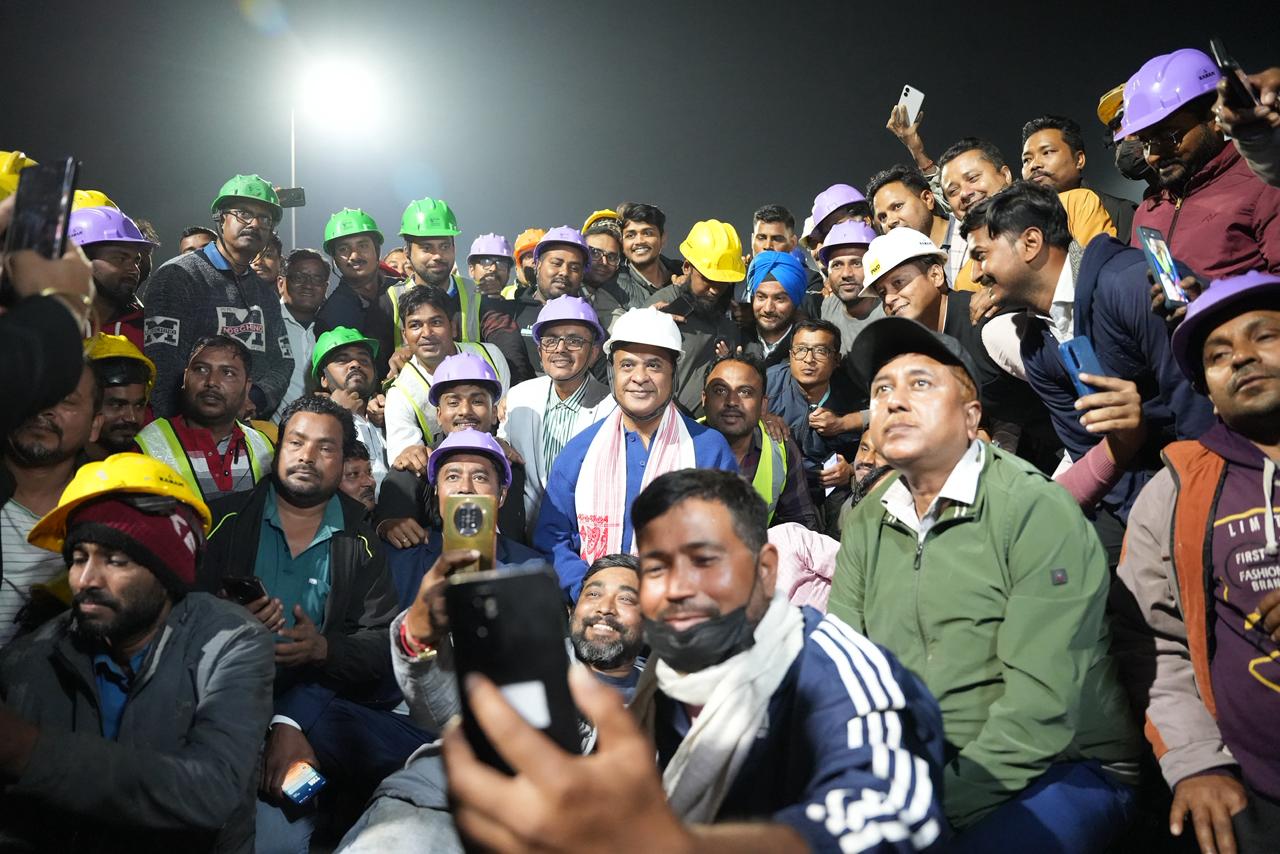
Alignment with the central government has further strengthened delivery. Smooth coordination has ensured steady fund flows and faster implementation of projects, reducing delays that often affect state-level programmes.
This focus on last-mile delivery is most visible in Assam’s welfare framework. The Orunodoi Scheme has become its backbone. What began in 2020 as a support programme for around 18 lakh women has expanded into a large-scale safety net. Today, nearly 40 lakh women receive Rs. 1,250 per month through Direct Benefit Transfer. Earlier this year, the government disbursed Rs. 9,000 each to close to 40 lakh beneficiaries, amounting to roughly Rs. 3,600 crore, the largest such transfer in the state. Overall, welfare programmes now reach over 1.5 crore people, highlighting the scale of delivery.
In healthcare, the Assam Arogya Nidhi provides crucial financial support for treatment to economically weaker families, addressing a key area of vulnerability. In education, targeted financial assistance has enabled students from disadvantaged backgrounds to access higher studies, reinforcing human capital development.
Employment has been approached through enterprise creation. The Atmanirbhar Asom Abhijan offers collateral-free financial assistance between Rs. 2 lakh and Rs. 5 lakh to young entrepreneurs. More than 25,000 beneficiaries were covered in its first phase, while subsequent expansions have supported over 74,000 youth, with plans to scale further. The model reflects a shift towards enabling self-reliance rather than dependency.
Women remain central to this governance framework. The Mukhyamantri Mahila Udyamita Abhiyan has provided a structured pathway for entrepreneurship, offering staged financial support totalling Rs. 72,500 per beneficiary and reaching over 33.5 lakh women. Alongside this, the Arundhati Gold Scheme has extended targeted financial support at the time of marriage, adding a layer of social security. Initiatives like the Pragyan Bharati Scheme further improve access to education and mobility, especially for young women.
Infrastructure has complemented welfare delivery. Road connectivity has improved significantly, urban infrastructure has expanded, and access to key religious and tourism sites has been strengthened. These changes are visible in everyday life, reinforcing the perception of governance that delivers.
At the same time, the government has taken firm positions on issues such as migration and land encroachment, reflecting concerns around identity and security. While these measures remain debated, they have formed part of a broader governance narrative focused on stability and order.
What stands out in this mandate is the clear preference for governance that produces results. Delivery, consistency, and visibility have emerged as central expectations. In that sense, this verdict goes beyond continuity, it is a validation of a governance model where intent is matched by execution.
For Himanta Biswa Sarma, this outcome consolidates his position as one of the most influential leaders in the Northeast. His journey, marked by administrative experience, strategic shifts, and sustained public engagement, reflects a model where governance is not distant but deeply embedded in everyday life.
Assam’s message is clear. In today’s landscape, trust is built through good governance and delivery. And in this election, that trust has been placed in a governance model that has made outcomes visible, accessible, and consistent.