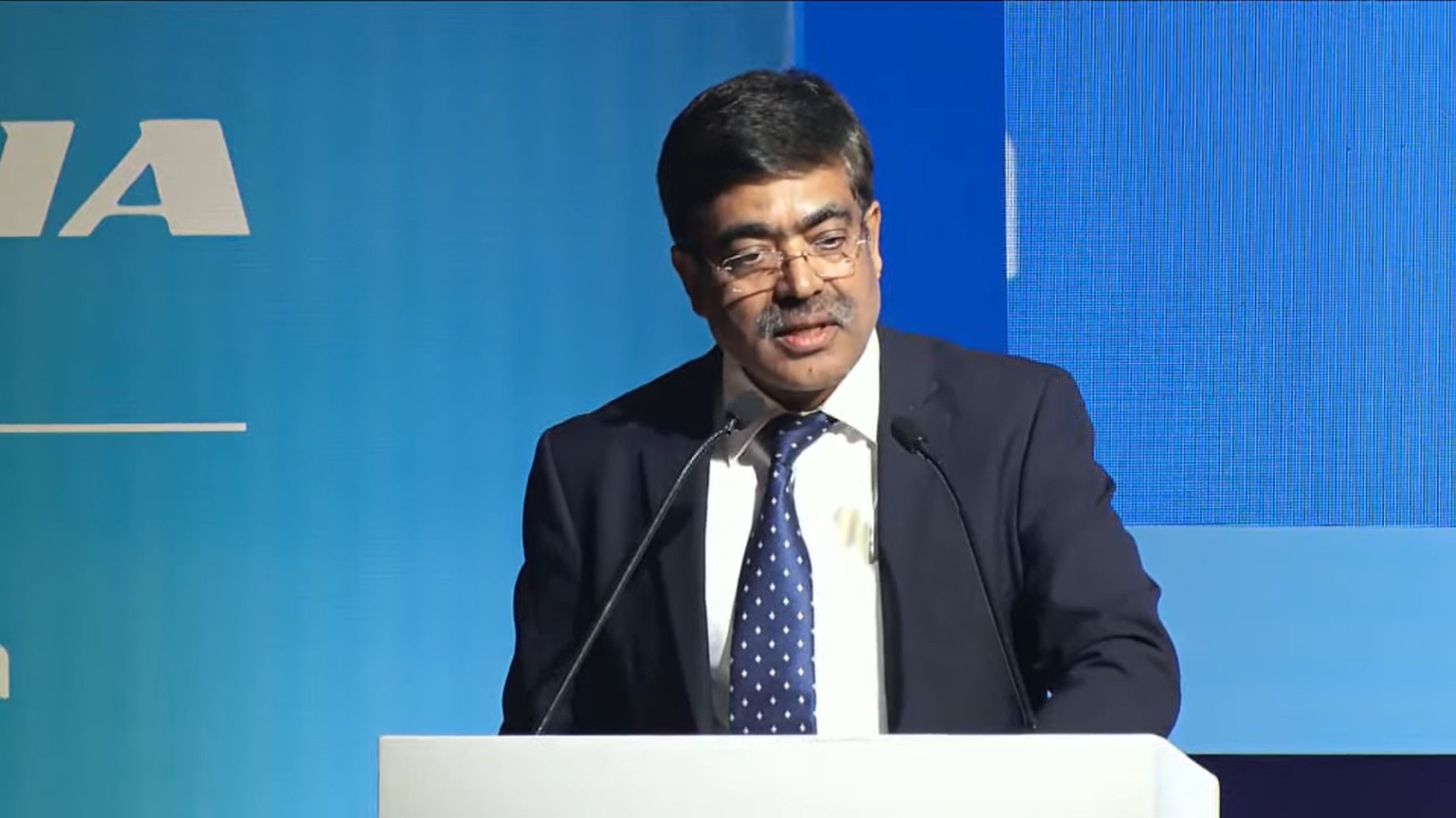
New Delhi: Cracking the whip on erring IndiGo Airlines, whose wave of cancellations and delays has caused mayhem across airports and disrupted the travel plans of thousands of passengers, the Union government on Friday launched an intensive intervention led by Civil Aviation Secretary Samir Kumar Sinha, IAS. With IndiGo catering to nearly 60 percent of India’s domestic flyers, the scale of disruption has been unprecedented, prompting the Ministry of Civil Aviation on Saturday (December 6) to give the airline a 48-hour deadline to restore normal operations or face action. High-level reviews chaired by Sinha marked the strongest signal yet that the government would not allow prolonged operational lapses to derail the aviation ecosystem at the peak of winter travel.
The immediate cause of the crisis can be traced to a severe shortage of pilots and an internal rostering imbalance linked to ongoing disputes over Flight Duty Time Limitations (FDTL). In recent months, the introduction of revised FDTL norms aimed at reducing pilot fatigue has increased rest requirements and tightened duty-hour limits. IndiGo’s crew schedules were reportedly under strain as higher fatigue calls, combined with rostering changes, resulted in significant unavailability of cockpit crew. This shortage triggered a cascading effect, overwhelming hub airports such as Delhi, Mumbai, Bengaluru and Hyderabad, where dozens of flights were cancelled or delayed by several hours.
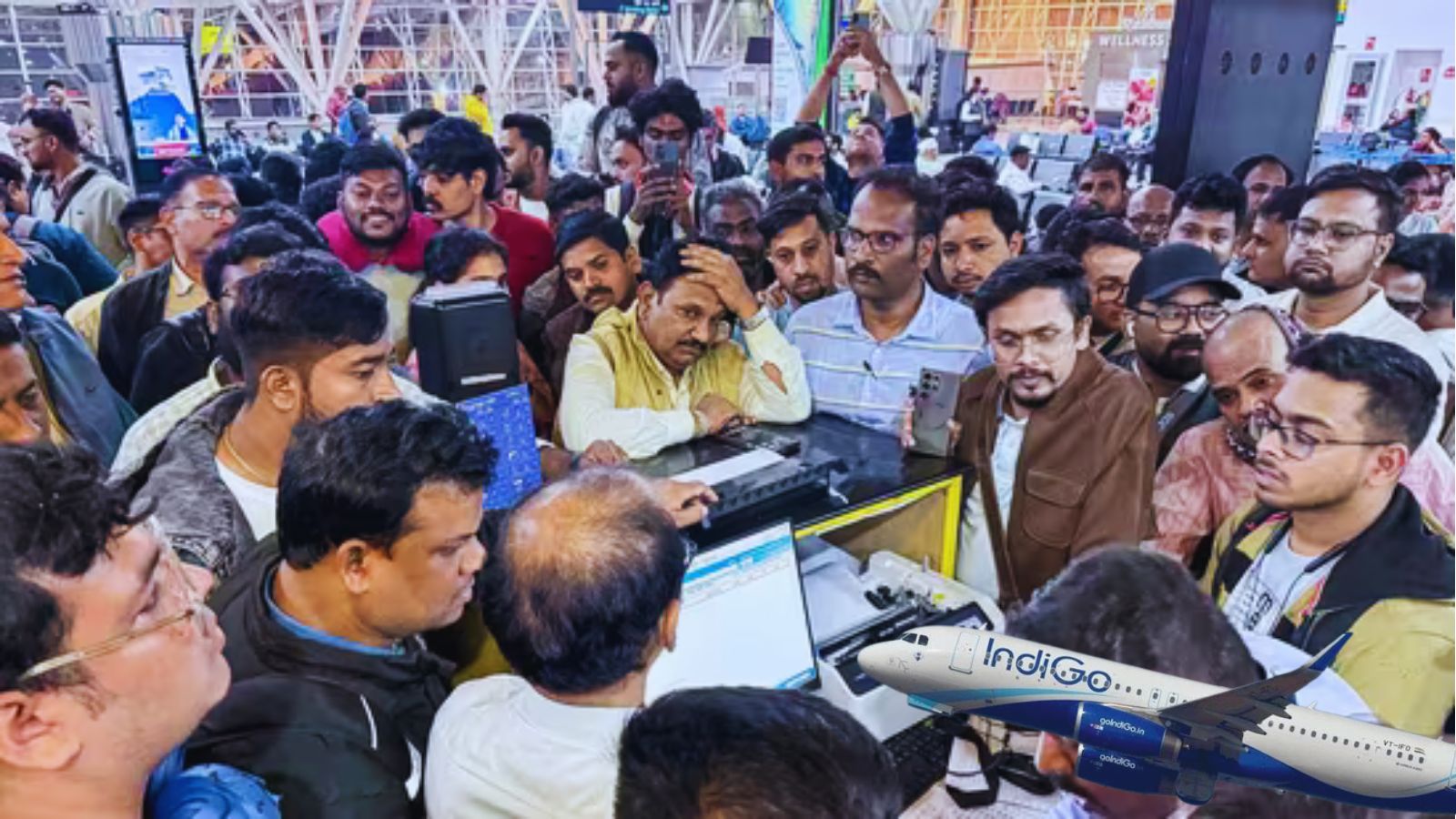
Passengers described chaotic scenes at terminals as flight information screens were continuously updated with fresh cancellations and long queues formed at airline counters.
As passengers scrambled to find alternative flights, airfares on unaffected routes shot up sharply. Some last-minute fares on major trunk routes touched extraordinary levels, igniting public anger and social media outrage. Taking note of this, the government stepped in to impose temporary fare caps to curb opportunistic pricing.
On Saturday, Civil Aviation Minister K. Rammohan Naidu and Secretary Sinha reviewed fare patterns through the day and directed all airlines to adhere to reasonable pricing. The Directorate General of Civil Aviation was instructed to ensure full compliance and prevent any airline from exploiting the crisis. Even Air India issued a statement acknowledging the unusually high fares circulating online and said it was reviewing its automated pricing systems.
Taking note of unreasonable surge in fares due to disruptions in flight operations of Indigo, Ministry of Civil Aviation has directed all airlines to maintain strict adherence to prescribed fare caps.
— Ram Mohan Naidu Kinjarapu (@RamMNK) December 6, 2025
The airlines shall extend maximum possible support to affected passengers,… pic.twitter.com/Sm16ytYG49
IndiGo, in its public statements, has maintained that the situation is temporary and linked to unforeseen operational issues. The CEO Pieter Elbers has apologised to passengers and assured that teams are working to stabilise schedules. However, the Ministry of Civil Aviation has sought detailed explanations from the carrier on why cancellations breached acceptable thresholds, why reserve crew deployment fell short, and why several passengers reported inadequate communication or lack of assistance for rebooking and refunds.
Message from Pieter Elbers, CEO, IndiGo. pic.twitter.com/bXFdqoB0Q2
— IndiGo (@IndiGo6E) December 5, 2025
The government has made it clear that IndiGo must take responsibility for restoring schedule integrity and ensuring that passengers are treated fairly.
Meanwhile, passengers at several airports recounted distressing experiences of cancelled flights, empty service counters, insufficient information and extremely high last-minute fares when attempting to switch carriers. Consumer legal experts have reminded travellers that aviation rules require airlines to offer refunds, alternate flights or hotel accommodation depending on the duration and nature of disruptions. Publications such as the Indian Express have carried advisories explaining passenger rights as complaints multiplied throughout the day.
The DGCA has reinforced that all airlines, especially IndiGo, must strictly follow instructions on fare caps, maintain transparent communication and improve customer support. The regulator has warned that continued lapses could invite penalties, including restrictions on schedule expansion or financial consequences. Officials have emphasised that passenger convenience and safety cannot be compromised under any circumstances and that it is the airline’s duty to maintain adequate manpower and contingency arrangements.
Message from Pieter Elbers, CEO, IndiGo. pic.twitter.com/bXFdqoB0Q2
— IndiGo (@IndiGo6E) December 5, 2025
Aviation analysts say the crisis has raised broader concerns about the fragility of India’s aviation workforce structure at a time when airlines are aggressively adding aircraft and expanding routes. The IndiGo episode has once again highlighted the risks of excessive dependence on a single dominant airline, the pressures created by rapid scaling, and the rising number of fatigue-related complaints among pilots. While the government is unlikely to dilute safety-focused FDTL norms, officials indicate that consultations with the industry will continue to ensure smoother transitions.
For now, IndiGo has begun cutting low-demand flights, activating standby crews and rerouting aircraft to ease congestion at key airports. The next two days will be critical as the airline attempts to bring cancellation levels back within standard operating limits. The Ministry has asked for continuous updates, and Secretary Sinha is personally monitoring the situation to ensure passenger interests are protected.
— IndiGo (@IndiGo6E) December 6, 2025
The disruption has underlined the need for stronger operational buffers, better workforce planning and more robust communication systems within airlines. As the government’s firm intervention shows, India’s rapidly growing aviation sector will have to prioritise safety, reliability and passenger trust as fundamental obligations, not optional commitments dictated by commercial pressures.
BI Bureau
— IndiGo (@IndiGo6E) December 6, 2025