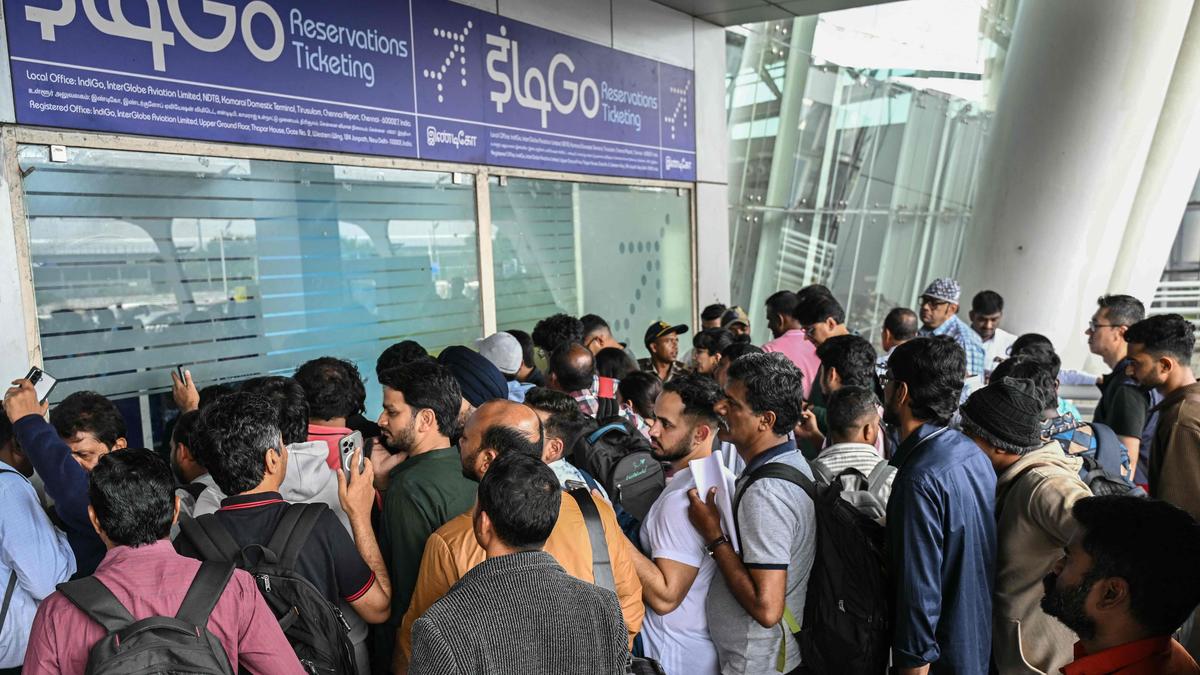
New Delhi: IndiGo’s sixth consecutive day of disrupted operations has drawn attention to a deeper concern, whether the airline’s governance structures were adequately tuned to upcoming regulatory changes that had been signalled nearly two years in advance. What began as cancellations and delays has moved the conversation beyond immediate operational stress to questions of preparedness, risk anticipation and board-level oversight at India’s largest carrier.
The airline’s board has long been known for its diverse and high-powered composition, bringing together a former markets regulator, a retired Air Chief Marshal, a former G20 Sherpa and a former FAA administrator. Yet the absence of any reference to the new Flight Duty Time Limitations (FDTL) in IndiGo’s last two annual reports has fuelled concerns that the impending regulatory shift did not receive the depth of attention expected. With the rules notified in early 2024 and their phased implementation set to begin in July 2025, the omission in official disclosures has raised questions about how the board assessed operational vulnerabilities linked to pilot availability.
IndiGo has said that the board met immediately after the first signs of widespread disruption emerged and subsequently set up a Crisis Management Group led by Chairman Vikram Singh Mehta, with regular reviews involving CEO Pieter Elbers and key directors. However, analysts and former officials argue that the more critical issue lies in whether such a crisis should have been anticipated much earlier, particularly by the airline’s seven-member Risk Management Committee. The committee includes senior aviation experts and former regulators, and was expected to oversee the airline’s readiness for major regulatory changes. The revised pilot rest norms—known nearly 24 months in advance—should, they say, have been closely tracked and integrated into the airline’s operational planning.
The timeline itself leaves little ambiguity. The DGCA notified the new FDTL rules in January 2024, deferred their initial enforcement after resistance from airlines, and eventually set a phased implementation schedule beginning July 2025. The regulator has maintained that it issued several reminders to IndiGo regarding preparedness. When the disruptions peaked, it issued a show-cause notice to the CEO and COO for planning lapses, while also granting short-term exemptions to stabilise flight schedules.
Government officials acknowledge that the scale of the disruption appears to have taken both the DGCA and the Ministry of Civil Aviation by surprise, despite broader industry concerns about pilot shortages. The depth of the operational collapse, however, has shifted attention squarely to the internal mechanisms that should have anticipated the consequences of tighter rest requirements and ensured smoother transitions.
The crisis has also sparked a wider conversation about governance frameworks in Indian aviation. As airlines operate under tighter regulatory and operational pressures, the role of boards in identifying stress points before they materialise is coming under sharper scrutiny. For IndiGo, the immediate priority remains restoring normal operations, but the real test may lie in demonstrating that its governance and risk management processes can keep pace with the demands of an evolving regulatory environment.