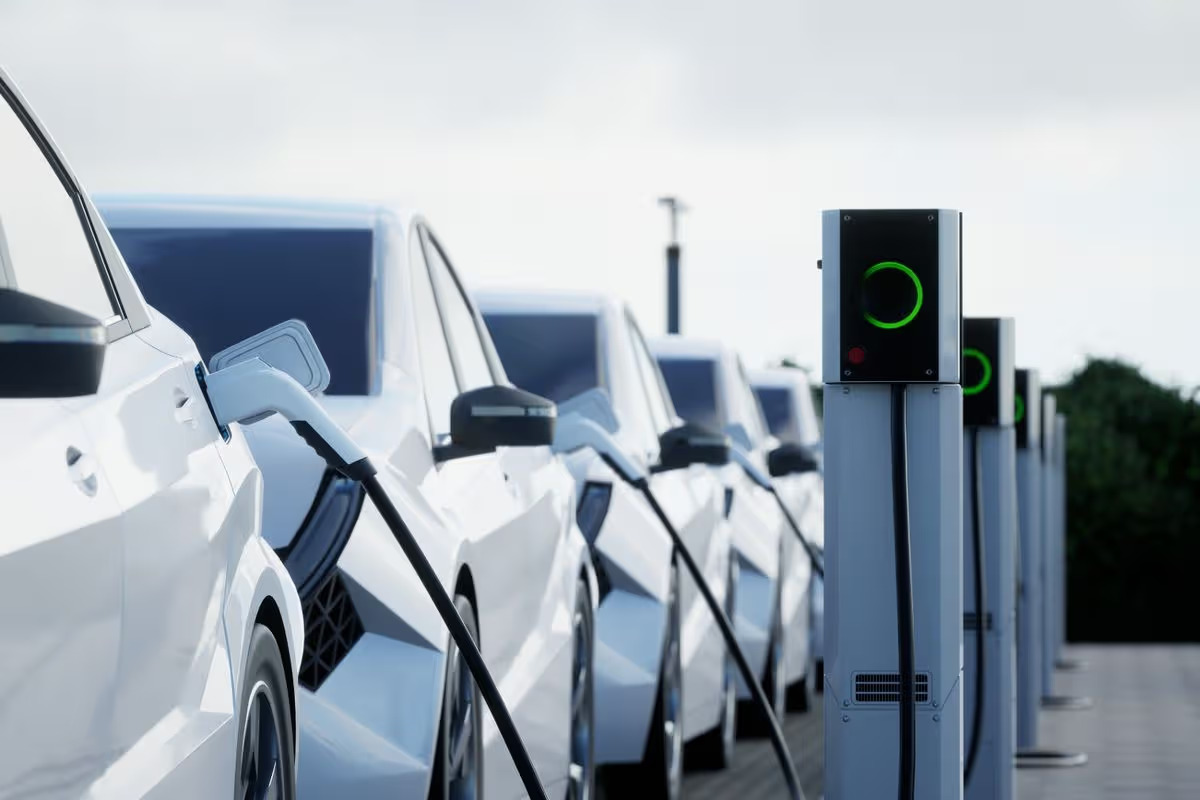
New Delhi: India's electric vehicle (EV) market scaled a new milestone in May 2026, with EV sales across vehicle categories reaching an all-time high and electric passenger vehicles accounting for more than 11 per cent of total passenger vehicle retail sales for the first time.
According to vehicle registration data, electric passenger vehicle sales surged by over 80 per cent year-on-year in May, reflecting growing consumer confidence in clean mobility, expanding model choices, improving charging infrastructure, and continued policy support for electrification.
The passenger vehicle segment emerged as the standout performer. Electric cars registered one of their strongest growth phases, with their share in overall passenger vehicle retail sales crossing the 11 per cent mark for the first time. Industry observers view the achievement as a significant step towards mainstream adoption of electric mobility in India.
Overall automobile retail sales in the country rose 9.6 per cent year-on-year in May, aided by strong rural demand, improving consumer sentiment and expectations of a favourable monsoon season. The broader growth in the automotive market provided an additional boost to EV adoption.
Electric two-wheelers continued to dominate the EV ecosystem, contributing the largest share of registrations. However, growth was visible across categories, including passenger vehicles, commercial vehicles and three-wheelers, indicating a widening acceptance of electric mobility among both individual consumers and fleet operators.
Market leader Tata Motors retained its dominant position in the electric passenger vehicle segment. The company recorded more than 10,000 EV registrations during the month, registering over 100 per cent annual growth. Models such as the Nexon EV, Punch EV, Tiago EV, Curvv EV and the recently launched Harrier EV helped drive the strong performance.
The competitive landscape is also evolving rapidly. Automakers including MG Motor, Maruti Suzuki, Mahindra and new entrants such as VinFast have strengthened their presence in the segment, providing buyers with a wider range of electric vehicle options across price points.
Industry experts attribute the record growth to multiple factors, including increasing environmental awareness, lower running costs compared to conventional vehicles, improved battery technology, and the expansion of public charging networks. Government initiatives promoting domestic EV manufacturing and adoption have also played a crucial role in accelerating demand.
With several new electric models scheduled for launch in the coming months and automakers ramping up investments in battery technology and charging infrastructure, the momentum is expected to continue through the remainder of 2026. Industry stakeholders believe India is steadily moving towards a new phase where electric vehicles will occupy a much larger share of the country's automotive market.
BI Bureau