.jpg "GST 2.0: Modi’s “Savings Festival” brings cheer to households and businesses")
New Delhi: September 22 marked the dawn of India’s biggest indirect tax reset since 2017. With the rollout of the next-generation GST reforms, everyday essentials, from food to household items, just became lighter on the pocket. Prime Minister Narendra Modi hailed it as the start of a “GST Savings Festival”, declaring that the reforms will “ease the lives of ordinary families while fuelling growth across the economy.”
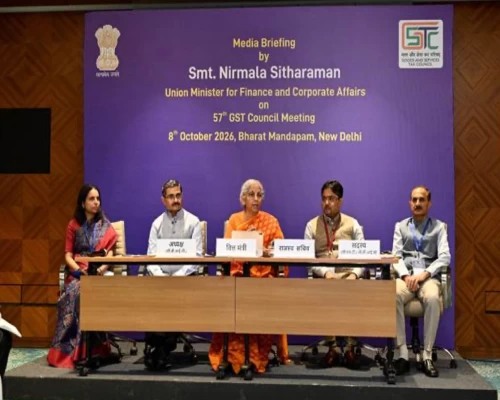
Announced earlier this month at the 56th GST Council meeting and implemented from today, the two-slab GST regime has slashed taxes on over 375 goods of mass consumption. For the average household, this translates into real savings.
For the common consumer, this means groceries, personal care products, and dairy items are cheaper, while big-ticket purchases like cars and electronics have also seen sharp price cuts. Corporates from FMCG giants to automakers have already announced reductions, with the government urging them to pass the full benefit on to customers.
The impact extends beyond household budgets. Farmers gain from lower GST on tractors, fertilisers, and irrigation equipment, reducing cultivation costs and bolstering rural incomes. Small businesses and exporters will see faster refunds, simpler registration, and improved cash flow – reforms long demanded by India’s MSME sector.
Economists see this as more than just a price-cut story. With cheaper essentials and aspirational goods, consumption demand is expected to surge. Analysts project a rise of nearly Rs 2 lakh crore in domestic spending and an incremental 0.2–0.3% addition to GDP growth.
The new GST architecture reflects a shift in philosophy: essential and mass-use items are taxed minimally at 5%, while luxury and “sin goods” now shoulder a steep 40% rate. This rebalancing aligns with the government’s vision of “growth with equity” – making essentials affordable while drawing revenue from luxury consumption.
Rolling out the reforms just ahead of Navratri, the government has positioned GST 2.0 as more than an economic measure. For many, it feels like a festival gift – easing daily expenses while energising industries from textiles to construction.
As PM Modi said, “From the middle class to our youth, from farmers to small businesses, every section of society will benefit from this new GST. It is not just a tax reform – it is a festival of savings for every Indian household.”
With household budgets relieved, farmers supported, and businesses empowered, India’s “GST Savings Festival” signals not just cheaper bills but a new phase of inclusive, broad-based growth.
BI Bureau