New Delhi: India has broken into the top 100 of the United Nations Sustainable Development Goals (SDG) Index for the first time, securing 99th place out of 167 countries in the 2025 Sustainable Development Report released by the UN Sustainable Development Solutions Network. The achievement marks a steady rise from 109th place in 2024 and reflects continued progress in aligning national development with global sustainability goals.
India’s SDG Index score now stands at 67, signalling improvements across several developmental indicators. The country’s neighbours Bhutan (74th), Nepal (85th), and Bangladesh (114th) also made moderate gains, while Pakistan remains lower down at 140th. Maritime neighbours Maldives and Sri Lanka are ranked 53rd and 93rd respectively. Among major economies, China is ranked 49th with a score of 74.4 and the United States at 44th with 75.2.
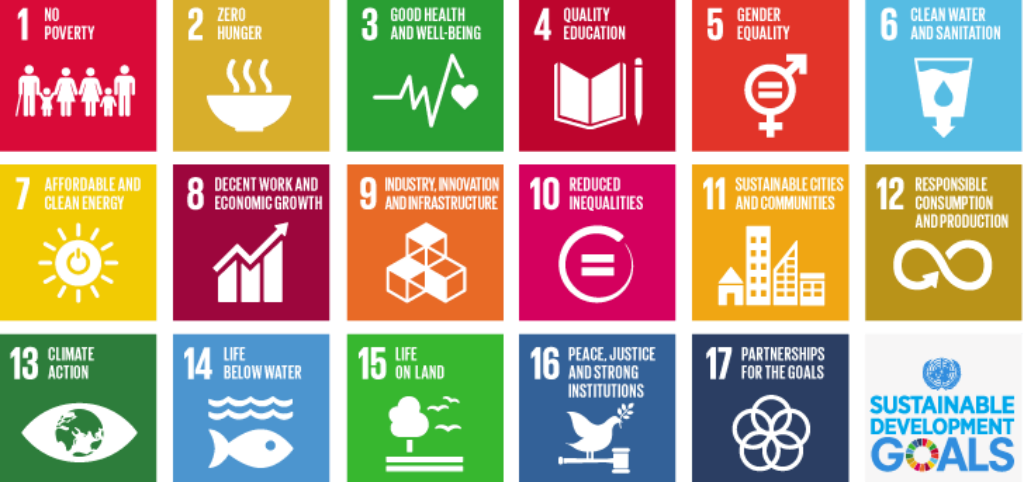
The SDG Index tracks progress towards 17 global goals adopted by UN member states in 2015, ranging from poverty reduction and quality education to climate action and clean energy. A perfect score of 100 would mean full achievement of all SDGs.
While India has made a consistent upward climb—having ranked 121st in 2022 and 112th in 2023—the report cautioned that global progress remains uneven. “Only 17 per cent of the SDG targets are on track to be achieved by 2030,” the report notes, citing conflicts, structural vulnerabilities, and constrained fiscal capacity in many countries as key roadblocks.
Despite the broader slowdown, the report highlighted that East and South Asia have shown the fastest regional progress since 2015. India’s advances are part of a broader regional trend driven by rapid socioeconomic development. Other countries registering strong SDG gains include Nepal (+11.1), Bangladesh (+8.3), the Philippines (+8.6), Cambodia (+10), and Mongolia (+7.7).
The report identified five areas where global performance has deteriorated: obesity rates (SDG 2), press freedom (SDG 16), sustainable nitrogen management (SDG 2), biodiversity conservation (SDG 15), and corruption perception (SDG 16).
Europe continues to dominate the top of the SDG Index. Finland, Sweden, and Denmark occupy the first three ranks, though even these countries face difficulties in addressing climate change and biodiversity loss.
The United States, which the report says has opposed the SDGs in recent policy positions, ranked last among 193 countries for the second year in a row.
The report arrives ahead of the Fourth International Conference on Financing for Development (FfD4) scheduled in Seville, Spain, from June 30 to July 3. It calls for urgent reform of the global financial system, stating that capital flows disproportionately favour high-income countries, leaving emerging and developing economies under-resourced despite their higher growth potential. The authors have urged the global community to make financial architecture reform a central agenda item at FfD4.
India’s steady climb up the SDG rankings offers momentum as it moves toward the vision of Viksit Bharat by 2047.
BI Bureau