.jpeg "Seed industry welcomes proposed single-window system, seeks unified approach to make India a global seed hub")
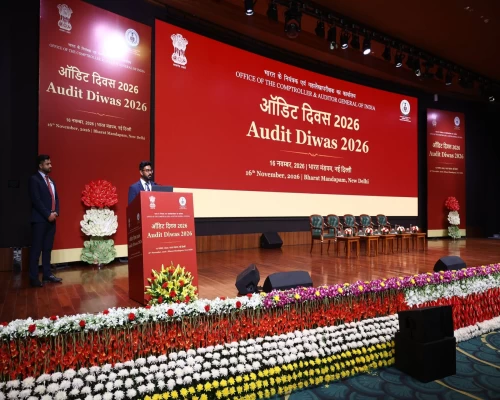
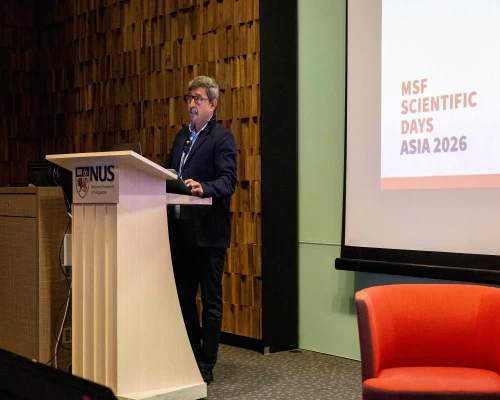
New Delhi: The seed industry has welcomed the proposed single-window system for seed exports, saying faster clearances and approvals will be critical to making India a global seed hub. The industry's view emerged at the second edition of the conference on the "Role of Vegetable Seed Sector in Making India a Global Seed Hub", organised today by the Federation of Seed Industry of India (FSII).
The conference brought together policymakers, industry leaders, exporters and researchers to deliberate on India's potential as a preferred global destination for vegetable seed research, production, processing and exports.
Industry leaders also welcomed other steps under way, including the abolition of the EXIM Committee, the integration of the SATHI platform with DGFT processes, and the continued issuance of electronic phytosanitary certificates. Ajeet Kumar Sahu, Joint Secretary (Seeds), Ministry of Agriculture and Farmers Welfare, invited industry inputs on a Seed Export Promotion Policy based on a cluster approach.
The sector enters these discussions on a rising curve. According to the Ministry of Agriculture and Farmers Welfare, India's seed exports grew from Rs.2,323 crore in 2024-25 to Rs.3,023 crore in 2025-26, an increase of about 30%, and were well ahead of imports of Rs.1,756 crore.
Ajai Rana, Chairman, FSII and MD & CEO, Savannah Seeds, said a clear consensus had emerged on making India a global seed hub. He welcomed the government's commitment to global best practices and standards, and noted that the five Centres of Excellence announced, including those on seed treatment and seed health, would strengthen export capabilities. India accounts for less than 2% of global seed trade, and the sector has set a target of 10%.
Industry representatives said the sector has the capacity and the will to scale up, but must first become globally competitive. With seed governed by multiple regulations spanning seed, biodiversity, intellectual property, plant variety protection and trade, they called for a unified approach, such as a task force or an export mission, backed by inter-ministerial coordination. As seed is a living organism, delays in approvals can erode its quality, making timely clearances and a technology-driven single window critical.
Dr Trilochan Mohapatra, Chairperson, Protection of Plant Varieties and Farmers' Rights Authority, urged the industry to invest in indigenous research, drawing a parallel with India's pharmaceutical sector. Beyond importing parental lines and exporting multiplied seed, he said, India must build its own breeding capabilities through molecular breeding and genomic selection, and develop varieties with superior nutrition and taste to create distinctive Indian brands. He further added that we need the industry to move from discussion to concrete action to achieve our target.
Summing up, Dr Paresh Verma, Director General, FSII, said all stakeholders had reflected a shared commitment to strengthening India's seed export ecosystem, and that the government had shown itself receptive to industry constraints. FSII, he said, would submit actionable recommendations, including on a dedicated Seed Export Promotion Policy.
BI Bureau