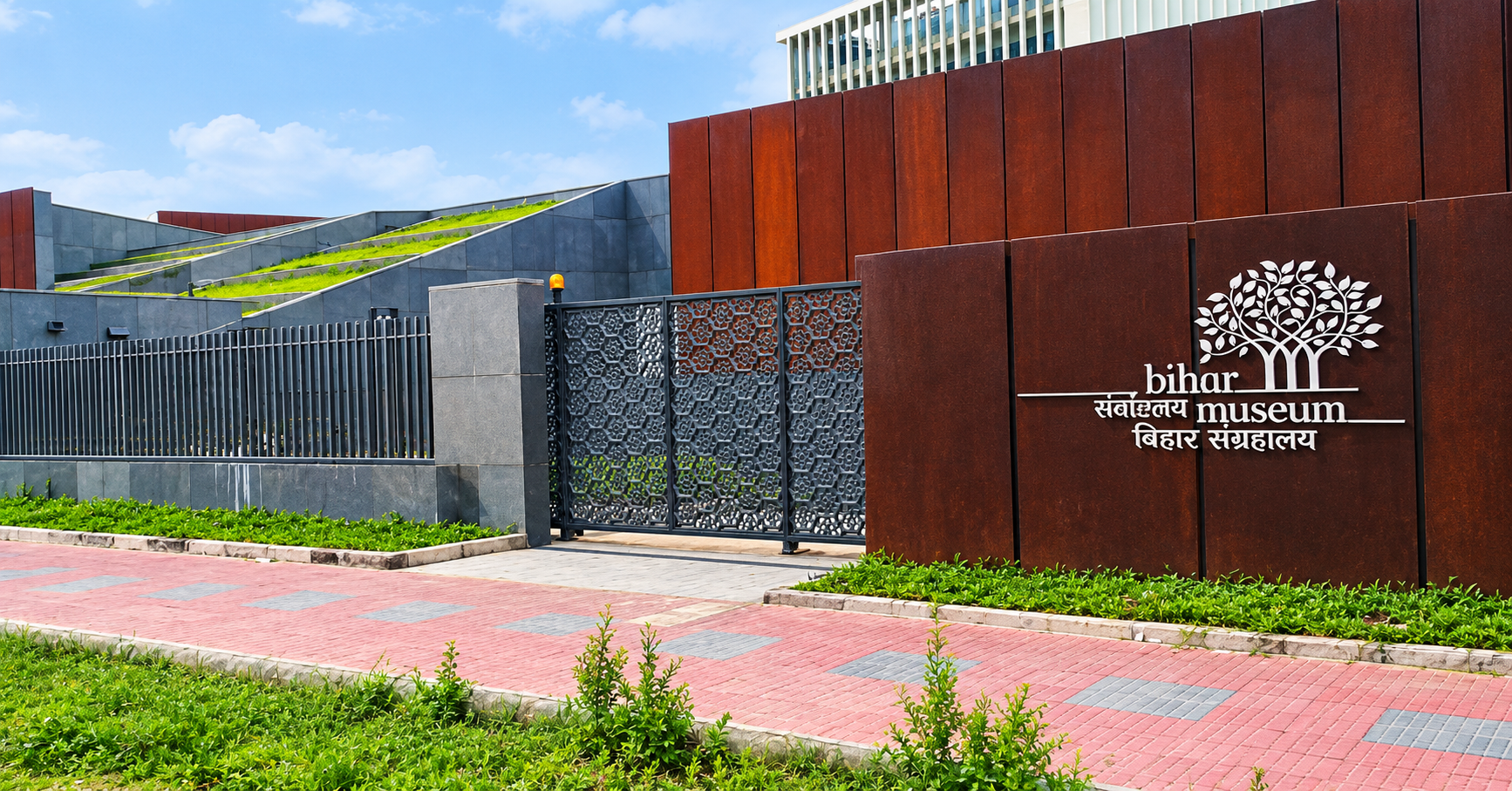
Patna: When a museum in Patna finds itself ahead of Paris’s iconic Louvre and New York’s Metropolitan Museum of Art, the achievement is about more than a number on a global list. It is a reminder that some of the world’s most compelling cultural stories are waiting to be discovered beyond the usual destinations on the international tourism map.
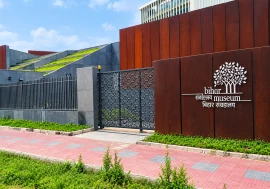
The Bihar Museum has secured the ninth position in the 2026 edition of the World’s 100 Best Museums list released by Munich-based travel guide Worth a Journey. It is the only Indian museum to feature in the ranking and the highest-ranked institution in Asia, placing it ahead of several globally celebrated cultural landmarks. The Louvre stands at 31st, while New York’s Metropolitan Museum of Art, popularly known as The Met, is ranked 10th.
For Bihar, a state whose history is closely intertwined with the rise of ancient Indian civilisation, the recognition is an opportunity to take its cultural legacy to a much wider audience.
Inaugurated in 2015, the Bihar Museum was envisioned as a modern institution capable of presenting the state’s extensive historical and artistic collections in a contemporary setting. Spread across more than 13 acres on Bailey Road in Patna, it brings together archaeology, art, architecture and public engagement under one roof.
The museum traces Bihar’s history through a rich collection of archaeological discoveries, ancient sculptures, rare coins, manuscripts and folk art. Its galleries explore different historical periods, including the Mauryan era and the reigns of the Sur and Mughal dynasties, taking visitors through centuries of political change, artistic achievement and cultural exchange.
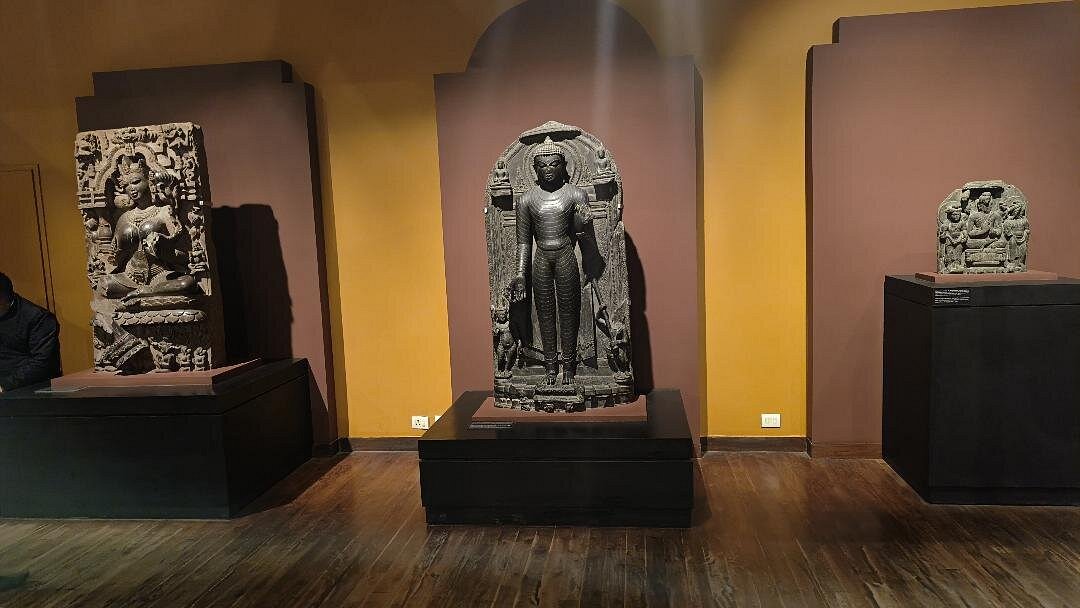
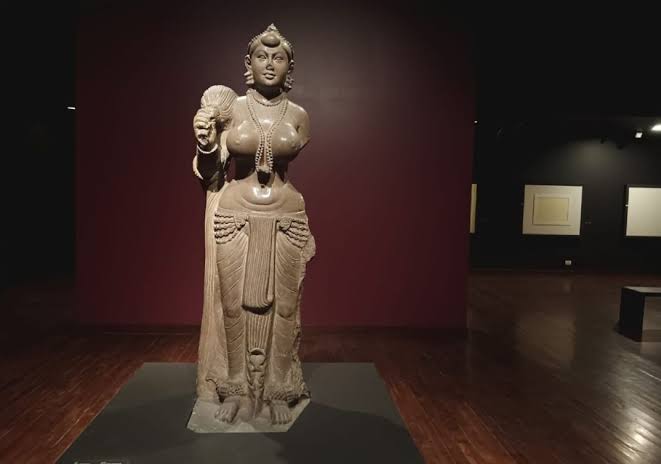
Among its notable exhibits is the celebrated Didarganj Yakshi, a remarkable example of ancient Indian sculpture discovered near Patna in 1917. Other highlights include a Kushan-period sculpture depicting the birth of the Buddha, bronze sculptures associated with the Pala dynasty and coins that offer insights into earlier systems of governance and trade.
One of the museum’s distinguishing features is its architecture. Designed by Japanese architect Fumihiko Maki in collaboration with Mumbai-based Opolis Architects, the complex combines modern design with spaces intended to encourage exploration and reflection.
Its spacious galleries, open courtyards and landscaped areas make the museum experience more inviting, moving beyond the conventional idea of a building filled with display cases. The design provides a contemporary setting for historical collections while allowing the exhibits to remain at the centre of the visitor experience.
The museum also recognises that cultural institutions must engage audiences beyond historians and specialist researchers. Its dedicated Children’s Gallery introduces younger visitors to subjects spanning culture, science and the natural world through an accessible, interactive approach. The Diaspora Gallery, meanwhile, draws attention to Bihar’s connections beyond its geographical boundaries and the wider influence of its people.
The 2026 ranking places the Bihar Museum alongside institutions that have long shaped international perceptions of art, history and culture. Mexico City’s Museo Nacional de Antropología leads the list, followed by Madrid’s Museo del Prado and Denmark’s Louisiana Museum of Modern Art. The State Hermitage Museum in St Petersburg and Vienna’s Kunsthistorisches Museum complete the top five.
The Bihar Museum’s ninth-place finish is, therefore, both an achievement and an invitation: to discover Bihar beyond familiar headlines, to see museums as living spaces of learning, and to recognise that India’s cultural treasures have a place on the world stage.
BI Bureau