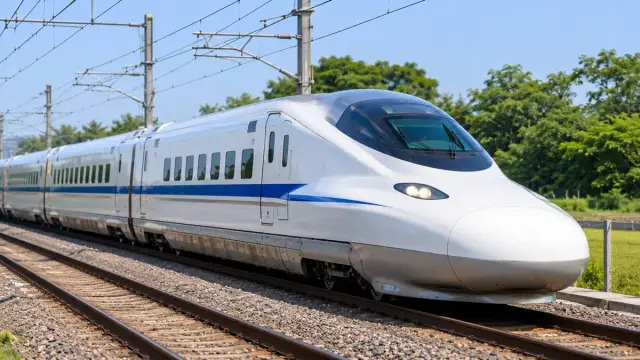
New Delhi: India’s high-speed rail ambitions are gathering momentum, with Prime Minister Narendra Modi approving the Northern Corridor of the bullet train network, opening up the prospect of dramatically faster connectivity across northern and eastern India. The proposed corridor promises to bring major northern cities closer than ever before, with Delhi–Agra travel expected to take just 59 minutes and Delhi–Kanpur barely 1 hour and 45 minutes.
Announcing the development, Union Railway Minister Ashwini Vaishnaw said the proposed corridor would connect Delhi, Agra, Kanpur, Lucknow, Ayodhya, Varanasi, Prayagraj, Patna and Siliguri, with an extension to Guwahati. The announcement marks an important step towards creating a high-speed transport network that could reshape mobility, commerce and regional development across a vast geographical expanse.
The proposed extension to Guwahati is particularly significant, as it brings the Northeast into the larger high-speed connectivity vision. It could strengthen the region's links with major commercial and administrative centres, while creating fresh opportunities for tourism, trade and investment.
Perhaps the most significant dimension of the announcement is the emphasis on indigenous manufacturing and engineering capabilities.
Vaishnaw underlined that the project would be built under the Make in India vision, with construction components ranging from pillars to girders being manufactured domestically. Describing the scale of Indian participation, he said the project would be built by the country's youth and skilled workforce, including welders.
This signals an important shift in India's infrastructure journey. The ambition is not merely to bring advanced transportation technology to the country, but also to develop the domestic industrial ecosystem, technical expertise and skilled manpower required to build and sustain it.
BI Bureau