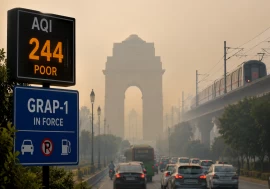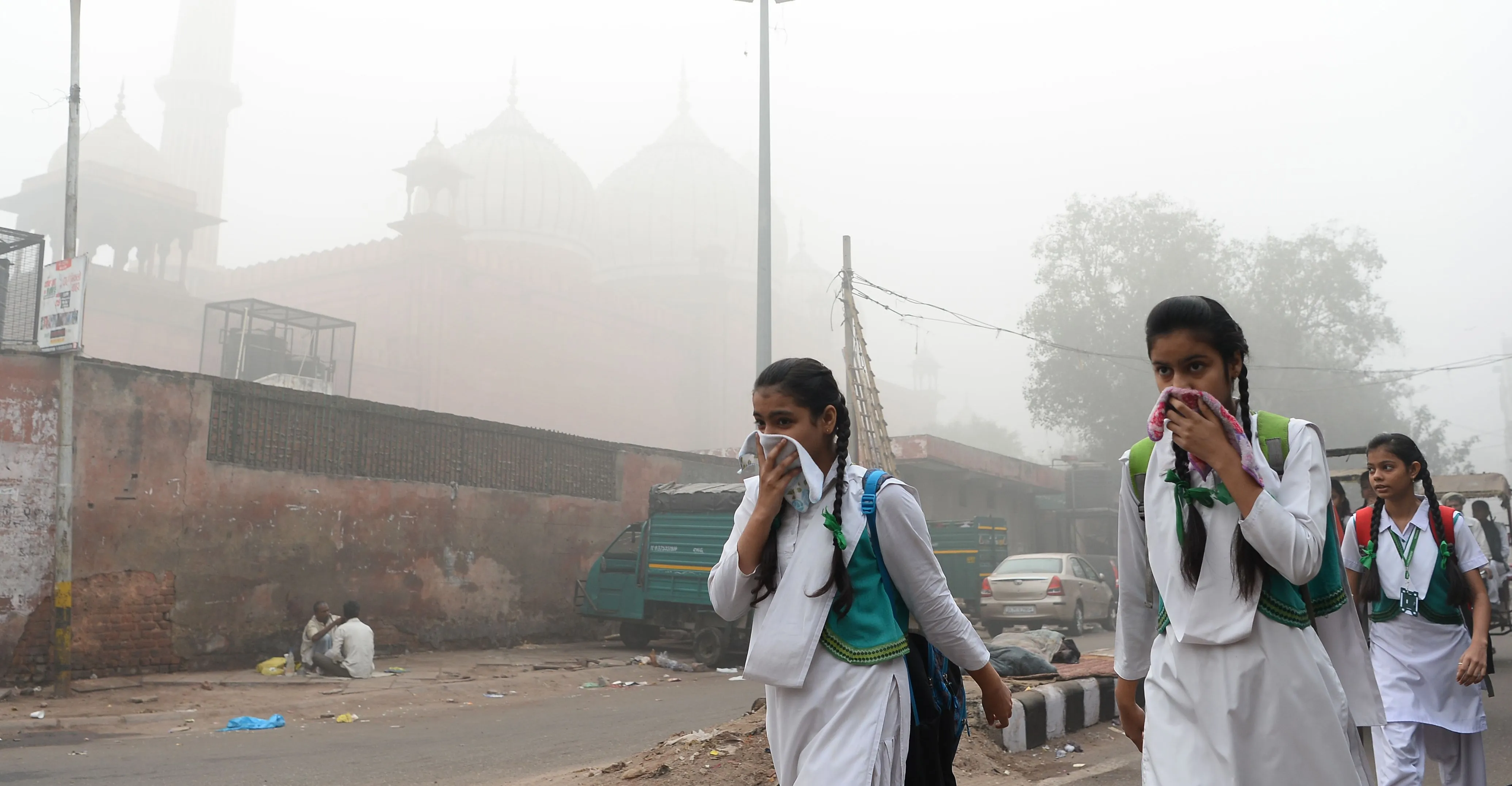
New Delhi: As Delhi-NCR sinks into another winter smog crisis, forcing authorities to mandate work-from-home for 50% of employees to curb emissions, a deeper institutional gap has come into focus: nearly half the scientific and technical posts in pollution control bodies across India remain vacant, even as the capital’s air quality fluctuates between “very poor” and “severe”.
The shortage extends to the Central Pollution Control Board (CPCB) as well. On December 8, Minister of state for environment Kirti Vardhan Singh informed the Lok Sabha that 16.28% of scientific and technical posts in the CPCB are vacant, while vacancy levels across state pollution control boards (SPCBs) and pollution control committees are significantly higher. The data was shared in response to a question on staffing levels of field-level personnel such as environmental engineers and scientists.
The implications of this manpower shortfall are playing out on the ground. Pollution control boards are responsible for air quality monitoring, inspections of industries and construction sites, enforcement of emission norms and implementation of the Graded Response Action Plan (GRAP). With limited staff strength, officials say monitoring networks are strained, inspections are fewer and enforcement actions slower at precisely the moment when pollution levels spike.
Delhi’s latest emergency measures underline the challenge. With construction activity halted, vehicle restrictions in place and half the workforce asked to stay home, authorities are relying on temporary curbs to reduce emissions and public exposure. But experts point out that such steps are blunt instruments, effective only when backed by real-time data, swift interpretation and rigorous enforcement — functions that depend heavily on adequate scientific and technical manpower.
Chronic vacancies, they add, also undermine long-term efforts under the National Clean Air Programme, affecting planning, source apportionment studies and coordination with neighbouring states on transboundary pollution. Several SPCBs report vacancy rates exceeding 50%, leaving some of the most polluted regions with the weakest regulatory capacity.
As Delhi’s residents once again adjust daily routines around toxic air, environmental specialists warn that emergency restrictions cannot substitute for institutional strength. Filling long-pending scientific and field-level posts, they argue, is essential if annual smog crises are to be replaced with sustained improvements in air quality — rather than managed season after season with temporary fixes.
BI Bureau