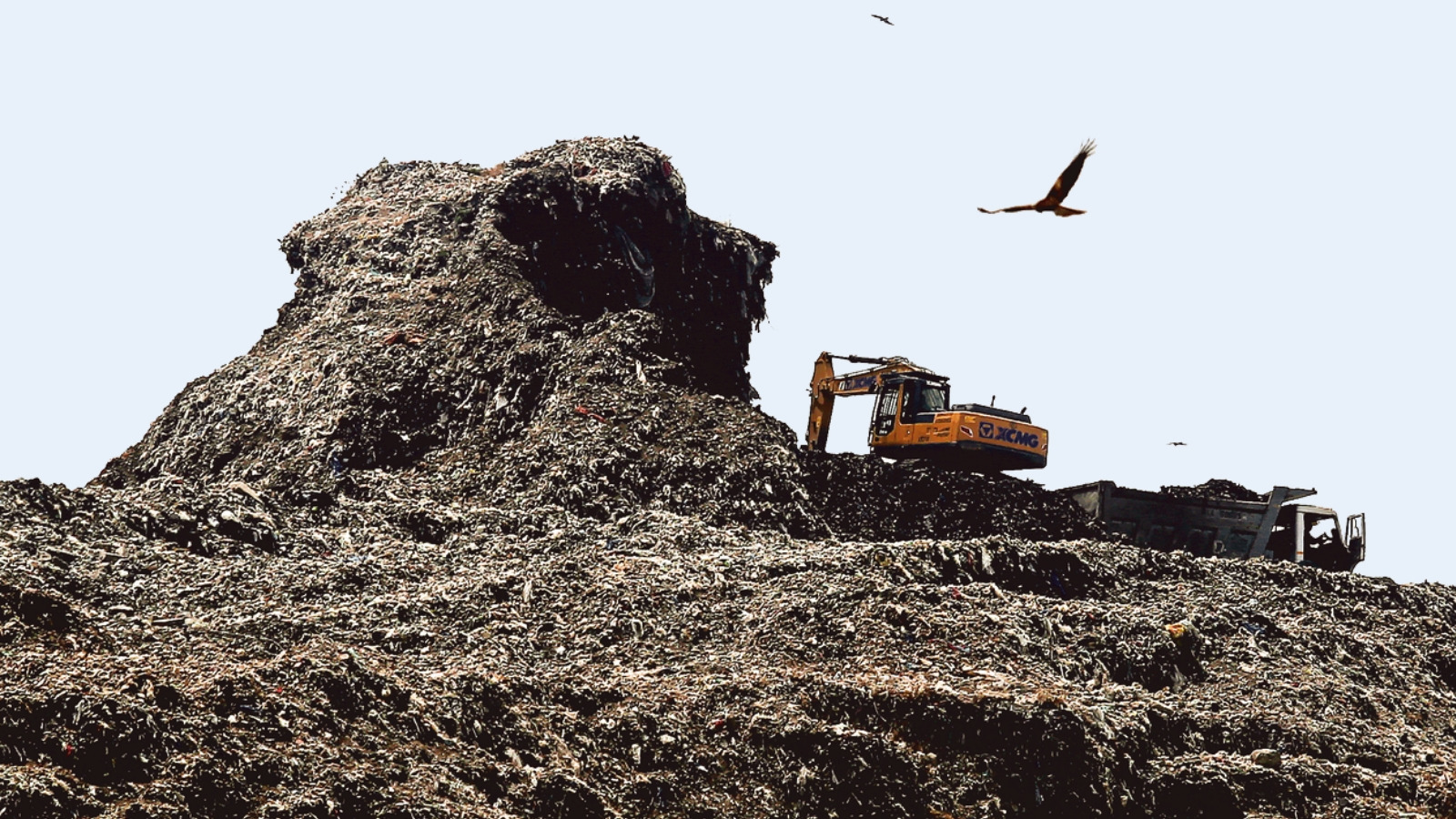
Bhopal: Depalpur in Madhya Pradesh has become the first city under the Swachh Shehar Jodi initiative to achieve “Zero Legacy Waste”, after clearing and scientifically remediating 1,250 metric tonnes of waste that had accumulated at its dumpsite over five years.
The achievement is part of the Swachh Bharat Mission-Urban 2.0 and was driven through a partnership between Indore Municipal Corporation and Depalpur Nagar Parishad under the Ministry of Housing and Urban Affairs’ Swachh Shehar Jodi programme.
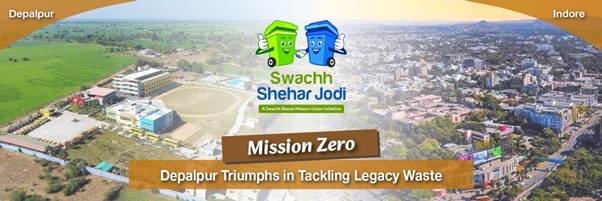
The intervention began with strengthening everyday waste management. Depalpur established 100% door-to-door waste collection and introduced segregation into four categories. Once the system was in place, the focus shifted to the accumulated waste at the dumpsite.
More than 500 ragpickers from Indore Municipal Corporation were mobilised for the remediation, working alongside Depalpur Nagar Parishad teams and heavy machinery, including dumpers, JCBs and loaders. The waste was segregated at the site so that different material streams could be sent for appropriate processing or disposal.
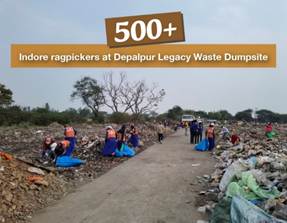
The exercise resulted in the recovery of 4.5 tonnes of recyclable material, including plastic, metal and glass, which was sold to authorised recyclers. Around 50 to 60 tonnes of Refuse Derived Fuel was transported to the NEPRA plant in Indore, where it was shredded before being sent to cement factories for co-processing.
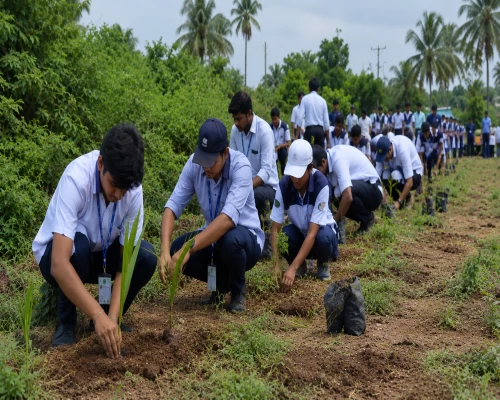
The work has also opened up possibilities for reuse of the reclaimed land. Following completion of the remediation, officials and public representatives planted 200 saplings at the site. The area is now planned as a community space that can host cricket matches, citizen engagement activities and local gatherings.
The wider transformation in Depalpur has included the revival of the historic Surajkund Bawdi, wall art across streets and the creation of plastic-free zones. Indore, meanwhile, has continued its own neighbourhood-level interventions through initiatives such as the ‘Basti Bemisal’ slum transformation campaign.

The Swachh Shehar Jodi programme was launched during Swachhata Hi Seva 2025 as a structured peer-learning initiative based on the “Each One Teach One” model. Under the programme, 72 mentor cities and 200 mentee cities have undertaken more than 1,600 activities in urban waste management.
The Ministry of Housing and Urban Affairs has used the programme to facilitate capacity building, field visits and knowledge sharing between cities. Mentor and mentee cities have signed MoUs for transfer of knowledge, peer learning and replication of waste management practices, while ongoing field interventions are aimed at identifying and addressing gaps in solid waste management and urban waste management.
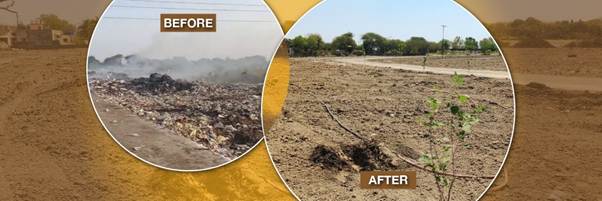
For Depalpur, the partnership with Indore has translated that knowledge exchange into a measurable outcome: a five-year-old dumpsite has been cleared, recyclable material has been recovered, waste has been channelised for scientific processing, and the reclaimed land is being prepared for community use.
BI Bureau