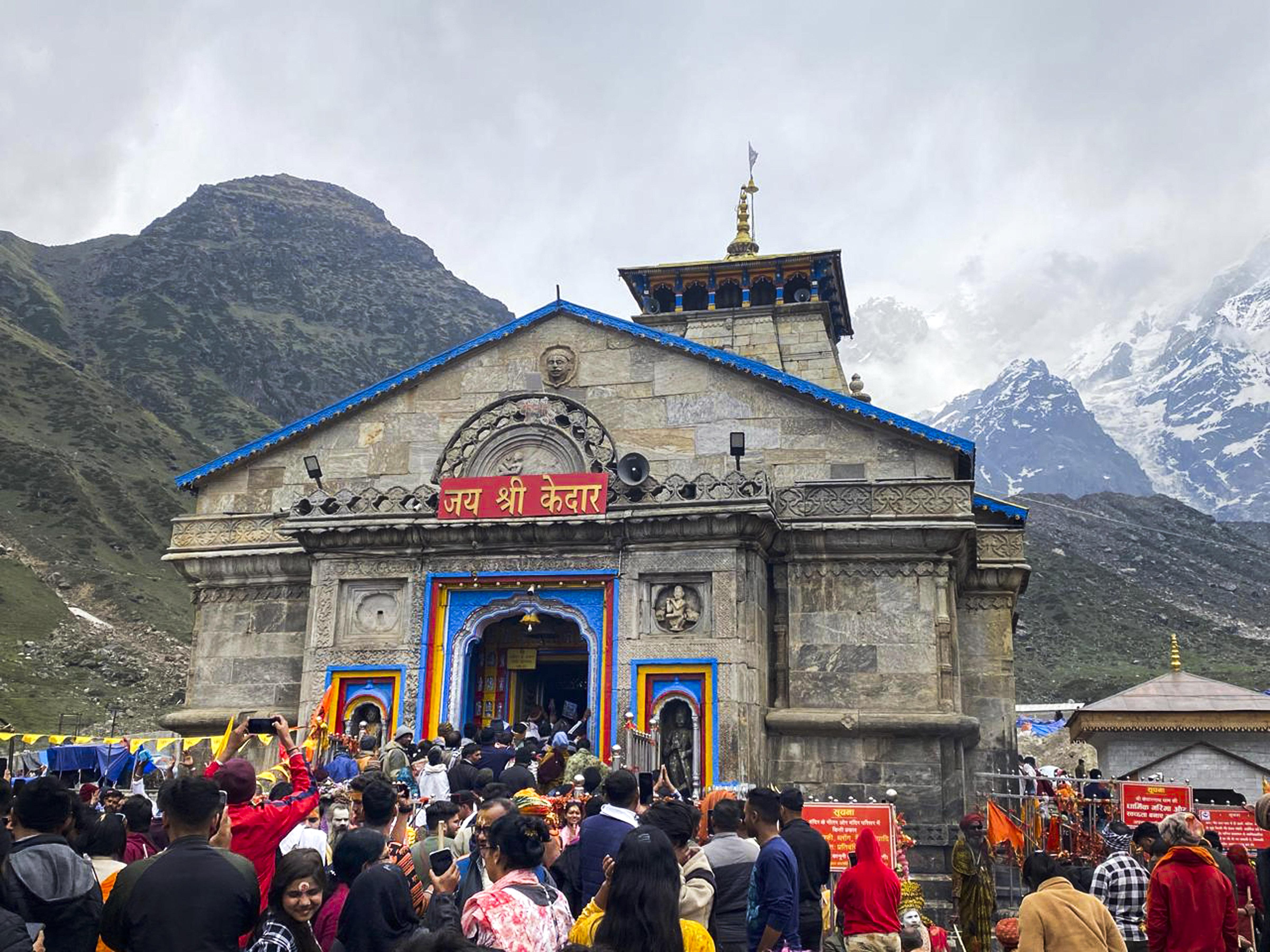
Uttarakhand: The sacred silence of Kedarnath was drowned this pilgrimage season not just by the unprecedented chants of nearly 17.68 lakh devotees, but by the rumble of garbage trucks hauling away a crisis the mountains can no longer hide. In what officials describe as one of the heaviest seasons in recent years, the revered Himalayan shrine has been left grappling with a staggering 2,324 tonnes of waste, sparking fresh concerns over the region’s strained ecology.
The spike in footfall, celebrated as a sign of growing devotion after years of disrupted travel, has cast a troubling shadow over the fragile ecosystem that supports one of India’s most cherished pilgrimage routes. Waste collected this year far exceeds previous estimates, with officials admitting that handling such volumes in high-altitude terrain remains a daunting challenge.
Environmentalists warn that the combination of steep numbers and inadequate waste management threatens to choke delicate mountain systems already vulnerable to climate change. The sheer scale of garbage—from plastic bottles and food wrappers to discarded clothing—has reinforced fears that the spiritual rush is outpacing the region’s capacity to cope.
Local authorities have intensified collection drives and deployed additional personnel, but experts argue that these are stopgap measures unless long-term infrastructure, stricter regulations, and responsible tourist behaviour are prioritised.
As Kedarnath continues to draw lakhs seeking divine solace, the growing waste footprint serves as a stark reminder: devotion may uplift the soul, but sustainability is what will save the mountains.
BI Bureau