Mumbai: India’s journey towards next-generation urban mobility is gathering pace, with the Maharashtra government directing the Mumbai Metropolitan Region Development Authority (MMRDA) to begin feasibility studies for the country’s first pod taxi network. The proposed system will link Thane, Navi Mumbai and Mira-Bhayandar, three high-density regions that continue to face severe congestion and long commute times.
The project, initiated under the leadership of Chief Minister Eknath Shinde, will follow a public-private partnership model, with MMRDA as the nodal agency. Private firms have been invited to submit technical and financial proposals based on initial survey findings.
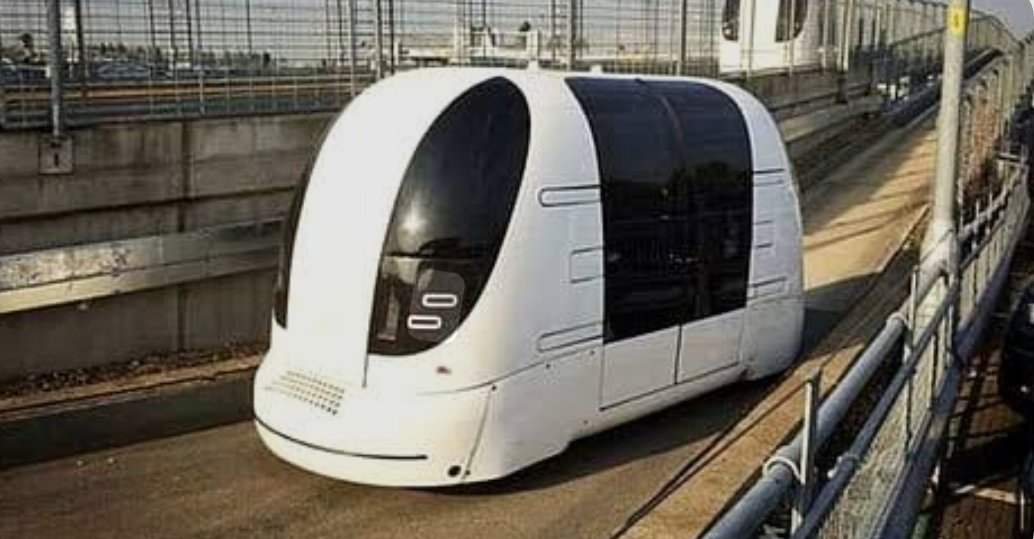
These urban clusters have seen rapid population growth, placing immense strain on transport infrastructure. Pod taxis, which are small, driverless electric vehicles operating on elevated guideways, are being examined as a clean and efficient alternative. They produce zero tailpipe emissions, generate minimal noise and can integrate with existing metro, bus and road networks. Since the system runs above current roads, it reduces the need for large-scale land acquisition.
The initiative also draws from earlier ideas, including the proposed pod taxi network in the Bandra Kurla Complex intended to improve access across one of Mumbai’s busiest business districts.
Pod taxis, also known as Personal Rapid Transit (PRT), are designed for 3 to 6 passengers and offer non-stop, point-to-point travel between stations. The automated system helps reduce human error, improves safety and provides flexible mobility suited to densely populated areas.
Internationally, cities in the UAE, the UK, South Korea and Japan operate pod taxi systems mainly for last-mile connectivity. The proposed network in Mumbai takes inspiration from these models while adapting the technology to a much larger metropolitan scale.
Public response has been largely positive, with daily commuters hopeful that such a system could meaningfully cut travel time, lower pollution and ease pressure on road networks. If executed well, it could also encourage a shift away from private vehicles.
However, challenges remain in terms of cost, system integration and ensuring that fares remain affordable. Even so, the move marks a significant attempt to shape a more sustainable and technology-led mobility landscape for India’s expanding urban regions.
BI Bureau