Chennai: In a first for Tamil Nadu, the state government has appointed four senior IAS officers as official spokespersons to improve public communication on government policies and programmes. The move aims to streamline the dissemination of information and ensure accurate and timely updates from departments reach the public through the media.
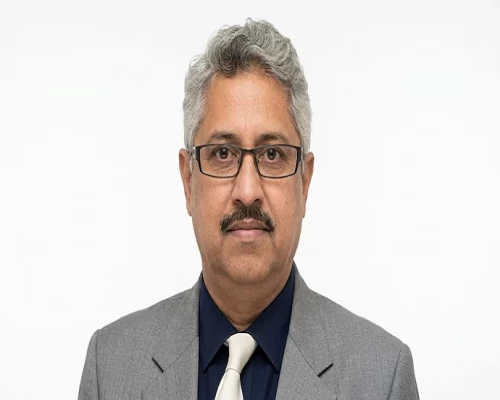
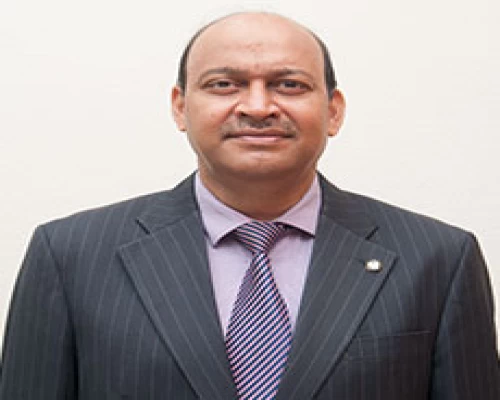
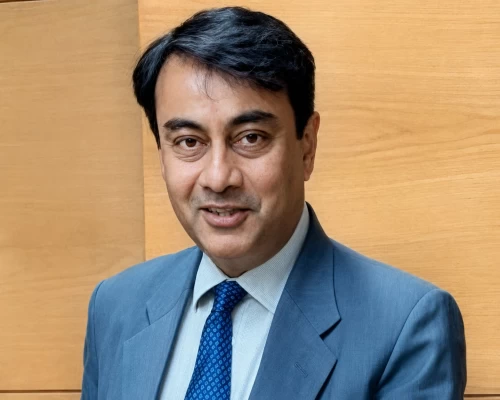
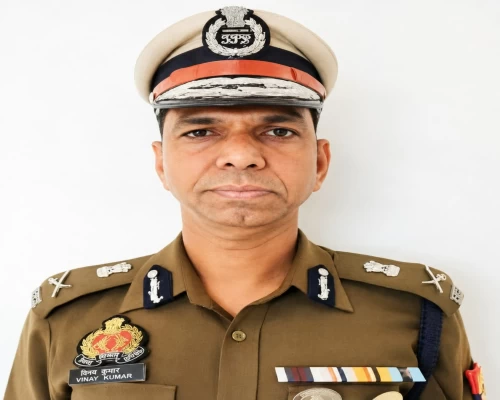
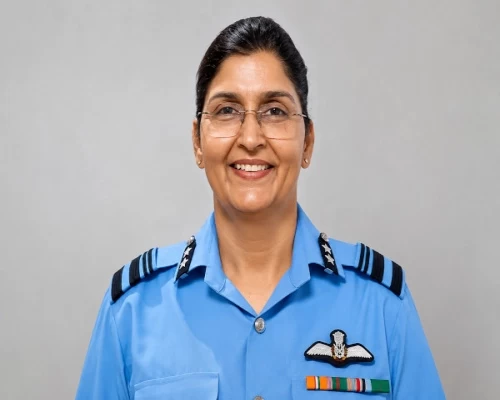
The officers named as spokespersons are J Radhakrishnan, Gagandeep Singh Bedi, Dheeraj Kumar and P Amudha. All four are of the rank of Additional Chief Secretary and belong to the 1992, 1993, and 1994 batches of the Indian Administrative Service.
This is the first time Chief Minister M K Stalin’s government has designated spokespersons since assuming office in May 2021. So far, communication with the media was managed by the Chief Secretary and departmental Secretaries along with Cabinet ministers.
According to an official release from the Department of Information and Public Relations, Secretaries of individual departments will provide relevant information to the designated spokespersons, who will then verify and share the information with the media based on the Chief Secretary’s advice.
Speaking at the Secretariat, P Amudha, Revenue Secretary and one of the newly designated spokespersons, said, “The communication should be clear, swift, and accurate. The Chief Minister has made this arrangement only for this purpose.”
Each spokesperson has been assigned a portfolio. Radhakrishnan will handle communications related to energy, health and family welfare, transport, cooperation and food, welfare of non-resident Tamils, education, handlooms, and human resources management. Dheeraj Kumar, who currently serves as Home Secretary, will be the spokesperson for the Home Department.
Bedi has been given responsibility for municipal administration and water supply, rural development, animal husbandry, dairy, fisheries, agriculture, water resources, environment and climate change, forests, MSMEs, industries, and natural resources.
Amudha will handle portfolios including revenue and disaster management, social welfare and women’s empowerment, welfare of differently abled persons, labour welfare, Adi Dravidar and tribal welfare, BC, MBC and minorities welfare, housing and urban development, highways, tourism, and special programme implementation.
The appointment of spokespersons is part of a broader strategy to professionalise and systematise government communication in Tamil Nadu, particularly as the state seeks to highlight its welfare initiatives and development schemes.
BI Bureau