Amaravati: Nandyal, a largely rural district in Andhra Pradesh’s Rayalaseema region, has a sizeable base of women’s groups, tribal communities and small local producers engaged in making natural and locally sourced products. But for many of them, production is only one part of the livelihood equation. Reaching customers beyond their immediate communities and securing regular orders remains a challenge.
District Collector Rajakumari Ganiya, an IAS officer of the Andhra Pradesh cadre, is addressing that market-access gap with a relatively straightforward administrative intervention: putting the products under one roof and giving them a dedicated place to be sold.
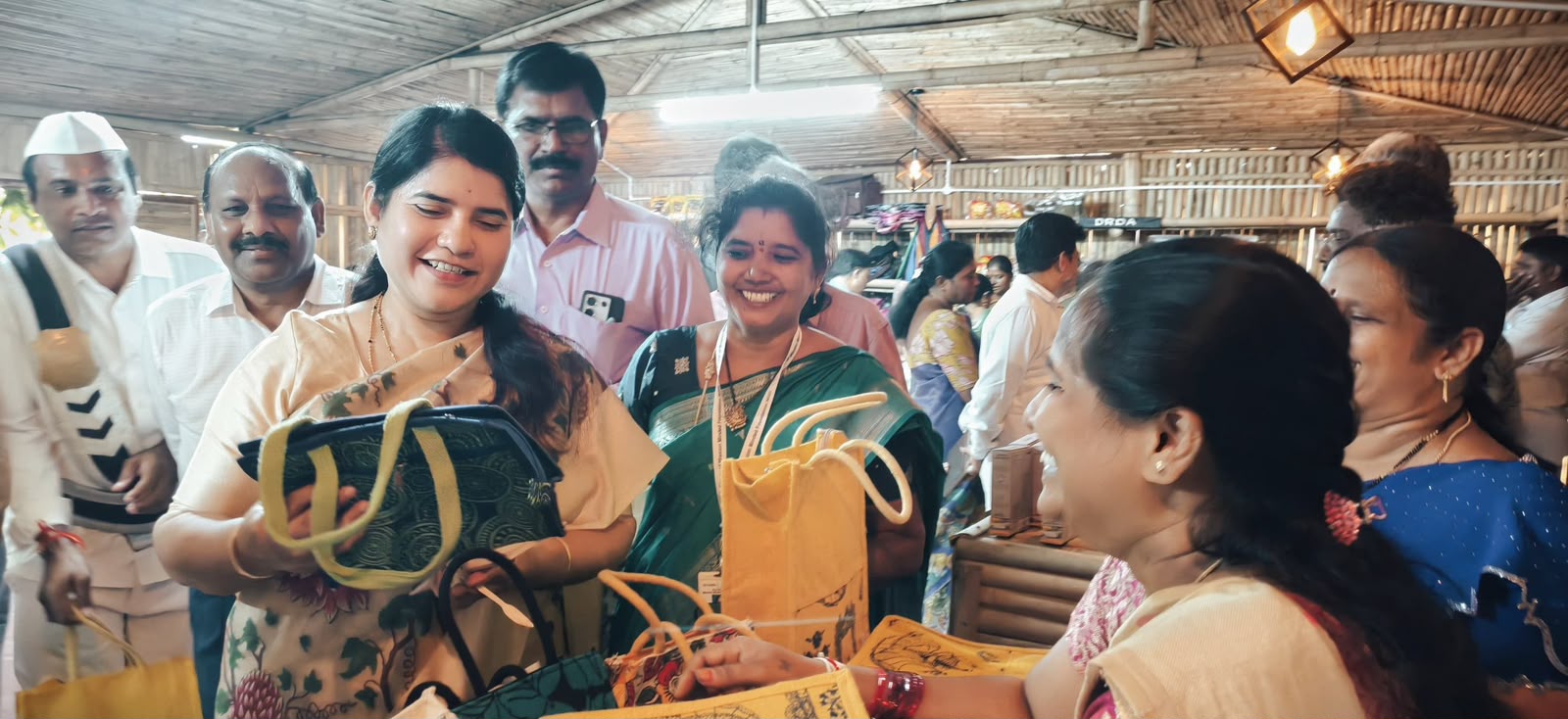
Ganiya on Monday inaugurated ‘Vanasya, The Experience Centre’ at the Collectorate, bringing together natural products made by women’s groups, tribal women and local producers. The centre will function as a retail platform where people can purchase the products, while producers can also receive bulk orders.
The initiative brings products supported through several government departments and programmes into a common marketplace. These include activities associated with the District Rural Development Agency, MEPMA, handlooms, horticulture, MSME and the Forest Department.
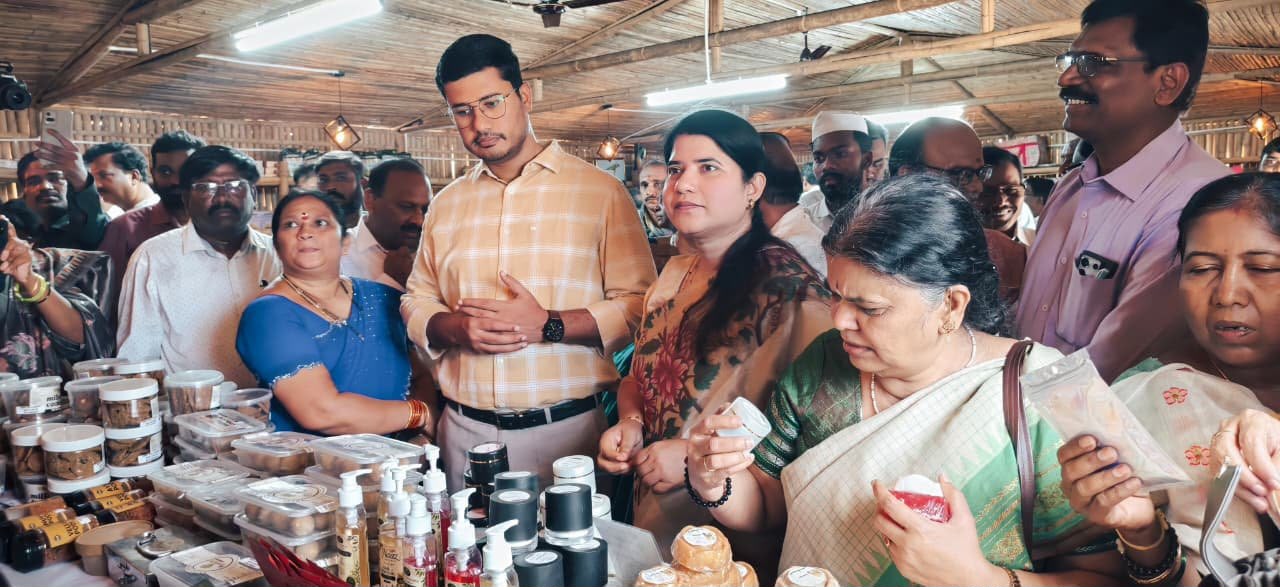
The significance of the centre lies in the problem it is attempting to solve. Rural livelihood programmes can help people organise themselves, acquire skills and start producing, but without reliable market access, those activities can struggle to become sustainable enterprises. By creating a permanent sales point at the district headquarters, the Nandyal administration is trying to connect community-level production directly with consumers and institutional demand.
Ganiya has also connected the initiative with the ‘One Family, One Entrepreneur’ objective, stressing the need for at least one woman in every family to have an opportunity to become self-employed or establish a business. The focus is therefore not only on creating livelihood opportunities, but on helping those livelihoods develop into viable economic activity.
There is also a sustainability element in the infrastructure itself. The centre has been built using bamboo, with financial support from the Solar Energy Corporation of India through its CSR funds and in collaboration with an NGO recommended by SECI.
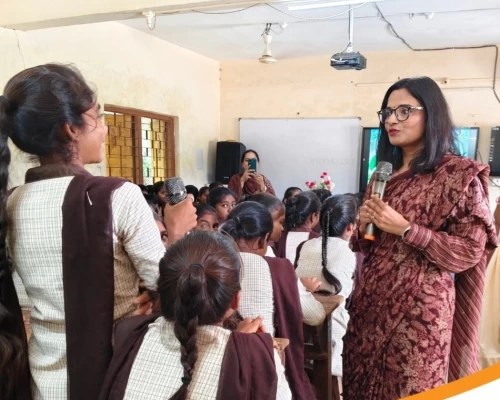
The Collector has urged residents to support products made by local and tribal women and encouraged people to use the centre for individual purchases as well as bulk orders. Joint Collector Suraj Dhanunjay, officials from various departments and representatives of women’s groups were present at the inauguration.
For Nandyal, the value of Vanasya will ultimately be measured beyond the Collectorate premises. If the centre can turn visibility into repeat purchases and bulk demand, it could give local producers something that many livelihood initiatives struggle to provide: a more dependable route from making a product to earning from it.
BI Bureau