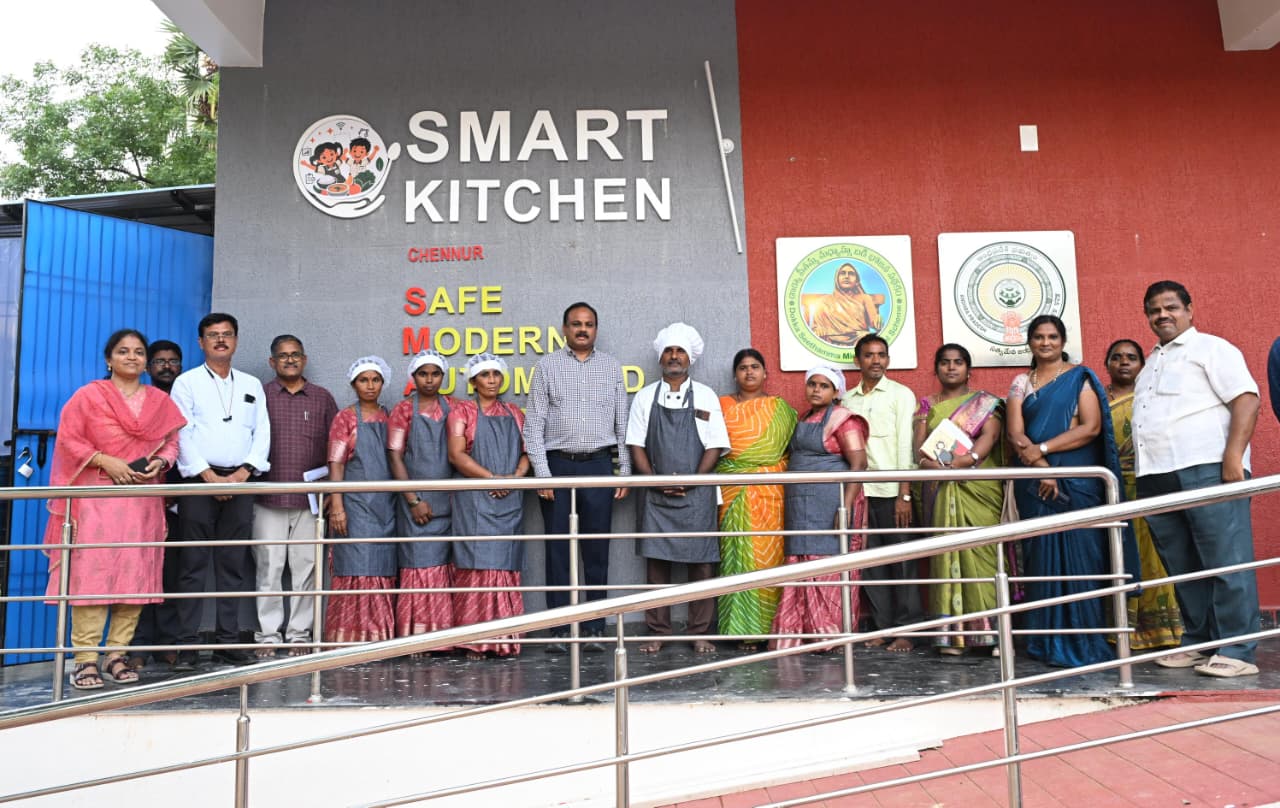
Amaravati: YSR Kadapa district in Andhra Pradesh has achieved a significant milestone in school nutrition, delivering 50,58,469 meals through its SMART Kitchen initiative. The achievement marks an important development in the district's efforts to improve the quality, safety and reliability of meals served to children in government schools. Recognised by NITI Aayog as an example of district-level innovation, the initiative demonstrates how administrative leadership, technology and community participation can improve the delivery of an essential public welfare service.
Led by Dr Sreedhar Cherukuri, an Indian Administrative Service (IAS) officer of the 2009 batch belonging to the Andhra Pradesh cadre, who is currently serving as the District Collector and District Magistrate of YSR Kadapa, the initiative was conceived to address persistent operational challenges in the traditional school meal preparation and distribution system. Individual school kitchens often faced limitations relating to infrastructure, cooking facilities, hygiene, manpower, fuel availability and food quality. Maintaining uniform standards and ensuring timely meal delivery across a large number of schools also presented considerable administrative challenges. The district administration recognised that these issues required a coordinated intervention rather than isolated improvements at individual schools.
The SMART Kitchen model, which stands for Safe, Modern, Automated, Reliable and Transparent, was developed as an integrated alternative. Under this arrangement, purpose-built centralised kitchens prepare meals using modern equipment and scientific cooking methods. The meals are packed and transported through planned delivery routes to the schools served by each kitchen. The system brings preparation, food safety, transportation and monitoring under a coordinated operational framework, supported by standard operating procedures and digital oversight.
The implementation required the district administration to coordinate several departments and stakeholders while mobilising resources from different sources. Government resources, NITI Aayog support, District Mineral Foundation funds, corporate social responsibility contributions and other eligible funding sources were brought together to support the initiative. Education officials, kitchen operators, transportation teams, local institutions and community stakeholders were also involved in the implementation process. This convergence of resources and administrative responsibilities has been central to establishing the infrastructure and operational systems required for large-scale meal delivery.
An important aspect of the initiative is the use of technology to strengthen accountability at different stages of the process. GPS-enabled vehicles and route planning help officials monitor transportation and delivery schedules, while CCTV surveillance and digital dashboards provide oversight of kitchen operations. QR-code-based feedback and grievance-redressal mechanisms offer channels for reporting concerns relating to food quality, hygiene and service delivery. Where attendance-linked meal planning is implemented, school attendance information can also help estimate meal requirements more accurately, reducing unnecessary preparation and potential food wastage. The objective is to make the delivery system more transparent and responsive, with timely information supporting administrative decisions instead of relying exclusively on periodic inspections and manual reporting.
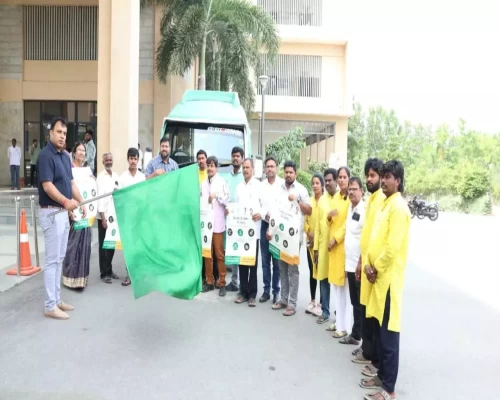
The district's approach also incorporates environmental sustainability into the functioning of its kitchens and distribution network. Electric vehicles are being used for meal transportation, supported by planned routes and dispatch schedules. This can help reduce dependence on conventional fuels and tailpipe emissions. Solar energy systems contribute towards meeting part of the kitchens' electricity requirements, while biodigesters provide a mechanism to convert suitable organic kitchen waste into biogas. The resulting bio-slurry can be used as manure where appropriate and safe. Efficient cooking equipment, water systems, waste segregation and scientific sanitation practices further contribute to improving resource utilisation. These measures reflect the administration's effort to integrate cleaner technologies and responsible waste management into an essential public service.
Women's participation is another important component of the operating model. Women Self-Help Groups play a significant role in kitchen operations and service delivery, creating opportunities for livelihood generation, skill development and community involvement. With appropriate training and defined responsibilities, women-led teams contribute to meal preparation, sanitation, quality control and kitchen management. Their involvement also strengthens local ownership of the programme and provides an opportunity for women's collectives to participate directly in the implementation of a large public welfare initiative.
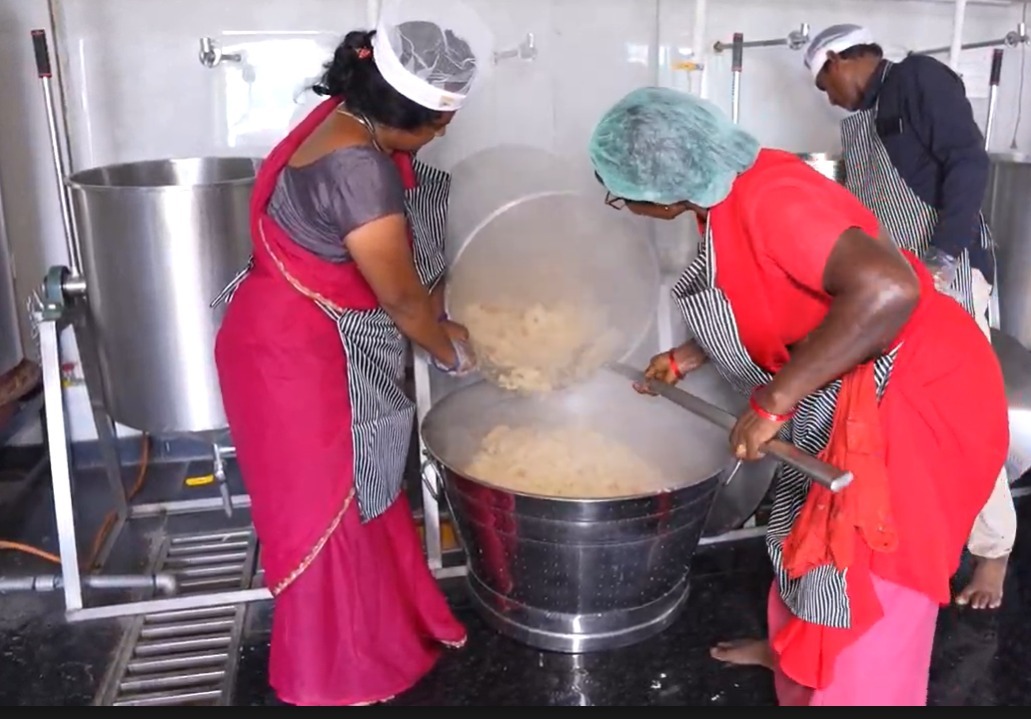
For schoolchildren, the most direct benefit of the programme lies in the availability of meals prepared through a more organised and standardised system. Improved kitchen infrastructure, scientific cooking methods and better food-handling arrangements create opportunities to strengthen hygiene and consistency in meal quality. The initiative also provides a framework for improving menu planning, nutritional diversity and the use of locally appropriate ingredients in accordance with applicable school meal guidelines. The larger objective is to ensure that children receive safe, nutritious and acceptable food on time, supporting their daily nutritional requirements and participation in school.
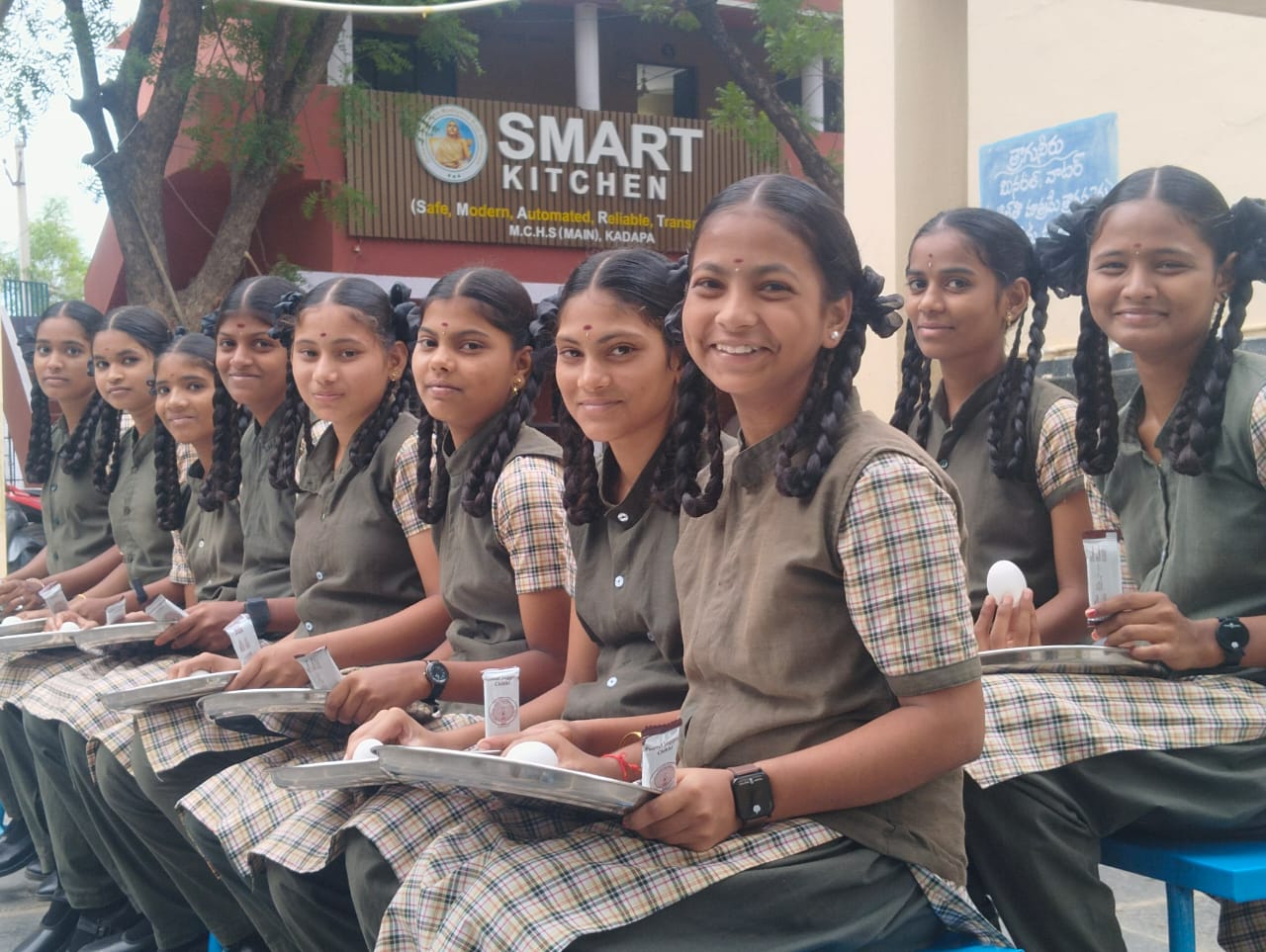
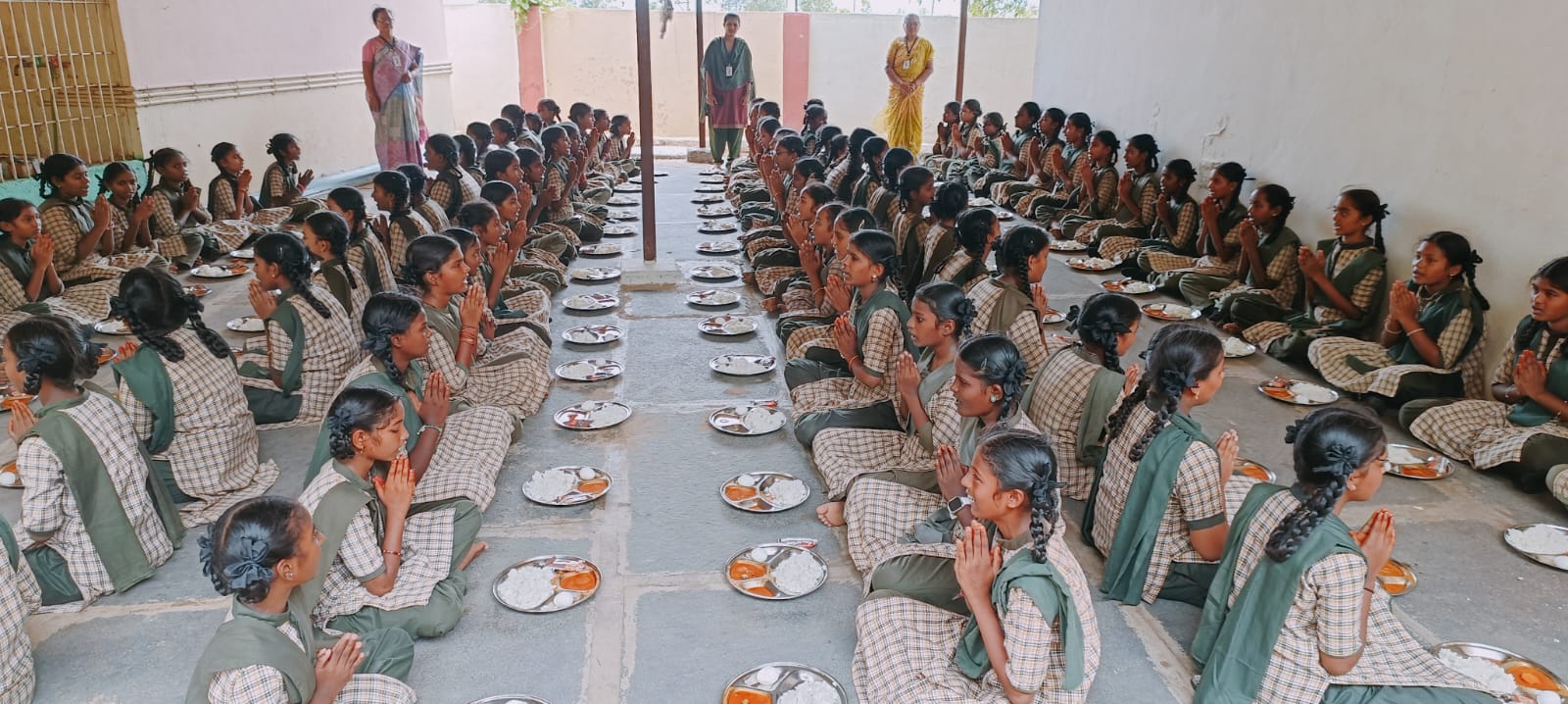
The achievement of over 50.58 lakh meals has brought the initiative into focus as a district-level governance intervention with wider relevance. NITI Aayog has highlighted the Kadapa model in the context of its emphasis on innovation, convergence, evidence-based governance and the adoption of effective development practices under the Aspirational Districts Programme and Aspirational Blocks Programme. The recognition draws attention to the potential of administrative innovation in improving the implementation of existing welfare services. It also offers other districts an opportunity to study the operational principles behind the initiative and assess how similar arrangements could be adapted to their local requirements.
The experience of YSR Kadapa indicates that replicating such a model would require careful assessment of school enrolment, existing kitchen infrastructure, transport distances, road connectivity, food safety requirements and available resources. The number and location of centralised kitchens would need to be determined according to local conditions, while procurement, preparation, packing, transportation and grievance-redressal processes would require clearly defined operating procedures. Digital monitoring and the involvement of local institutions and women's groups would also be important in maintaining accountability. The district's experience provides a framework for consideration by other administrations, although the infrastructure and operational design would need to reflect their individual circumstances.
Sustaining the initiative will depend on maintaining food quality, operational efficiency and financial viability over the long term. Regular food safety inspections, preventive maintenance, trained personnel, timely procurement, inventory management and reliable transportation will remain essential. Monitoring indicators such as delivery timeliness, cost per meal, food wastage, energy consumption, student feedback and beneficiary satisfaction can further help the administration identify areas requiring improvement.
For YSR Kadapa, the delivery of 50,58,469 meals represents the progress of a system designed to address an everyday public service challenge through administrative coordination and innovation. The initiative has brought together school nutrition, digital accountability, environmental responsibility and women's participation within a common delivery framework. Under the leadership of Dr Sreedhar Cherukuri and through the coordinated efforts of the district administration and its partners, the SMART Kitchen model demonstrates how district-level interventions can contribute to more organised and accountable governance. Its recognition by NITI Aayog adds to the significance of the achievement and places Kadapa's experience among the district-led initiatives that merit wider attention and consideration.
BI Bureau
_500_x_400.webp "Narayanpur's old security camps are now schools")