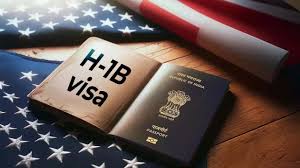
New Delhi: A visa that once symbolised global opportunity is now being priced out of reach. US President Donald Trump has announced a staggering $100,000 annual fee for H-1B visas, sending shockwaves through the tech industry and leaving Indian professionals - the largest beneficiaries of the programme - staring at an uncertain future.
The H-1B programme, launched under the US Immigration Act of 1990, allows American employers to hire foreign professionals in specialised fields such as technology, engineering, healthcare, and research. Valid for three years and extendable to six, it has historically been a lifeline for Indian tech workers, who account for more than 70% of approvals annually.
The $100,000 fee dwarfs the earnings of early-career H-1B holders. According to the US Citizenship and Immigration Services, the median salary for new H-1B workers in 2025 was $97,000 - meaning fresh applicants may be expected to pay more than their yearly wage just to secure the visa. Even for continuing employees, whose average salary is about $132,000, the costs are prohibitive. Analysts say the fee effectively shuts down the programme for all but the highest-paid roles.
Of the 399,395 H-1B visas issued in 2024, India accounted for an overwhelming 71% - more than the next nine countries combined. With Indian IT firms like Infosys, TCS, HCL, and Wipro heavily dependent on the programme to place engineers in the US, the new rules are expected to severely dent opportunities for young professionals and limit workforce mobility. Some may be forced to return to India, while others may look to Canada, the UK, or the UAE as alternative destinations.
The US tech industry is scrambling to respond. Microsoft has reportedly urged its H-1B employees to return to the US before the September 21 deadline, warning that renewals could become unaffordable. Amazon, Meta, and other giants - who together secure tens of thousands of visas annually - fear a talent crunch that could disrupt ongoing projects and inflate labour costs.
While the Trump administration insists the move will push companies to “train Americans” and prioritise local workers, industry leaders argue it will undercut innovation, slow growth, and weaken America’s edge in global technology.
The $100,000 H-1B visa fee is not just a policy tweak - it is a game changer. For Indian IT talent, it threatens to slam shut the most reliable pathway into Silicon Valley. For tech companies, it could mean higher costs, fewer options, and a scramble to retain the best minds in an increasingly competitive global market.
BI Bureau