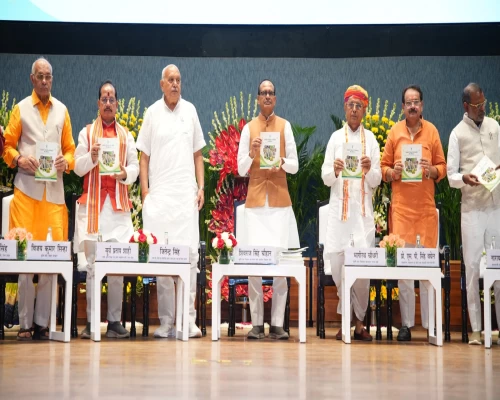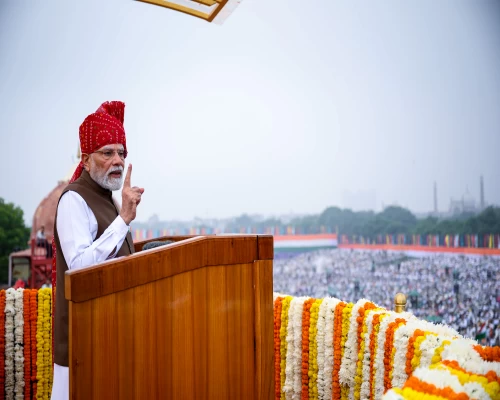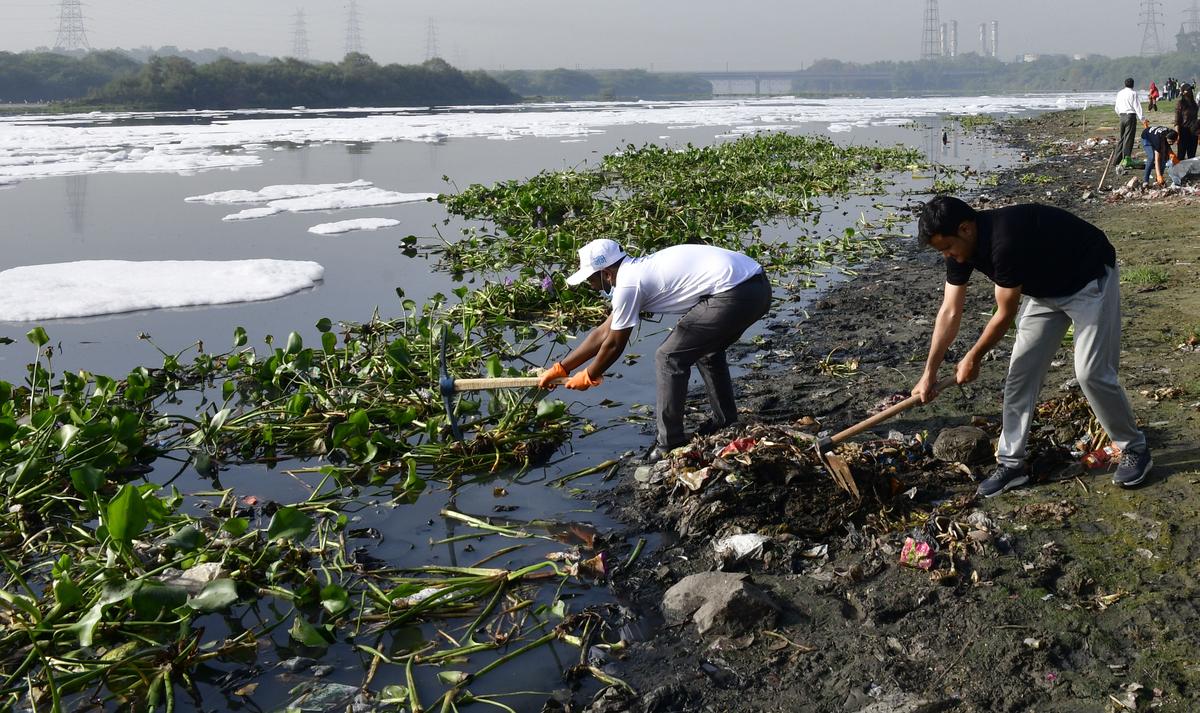
Lok Sabha Speaker Om Birla has called for a sustained people's movement (Jan Andolan) to clean the Yamuna and ensure its uninterrupted flow. Addressing the National Campaign of Conservation and Public Resolution for River Maa Yamuna Ji at Bharat Mandapam, New Delhi, on 22 November 2026, he emphasised that river conservation requires coordinated efforts by governments, industries, institutions and citizens.
He stressed that industrial development must not come at the cost of the environment and called for scientific treatment of sewage and industrial waste before discharge into rivers. He also highlighted the importance of environment-friendly lifestyles, water conservation and community participation.
Why is the Yamuna important?
The Yamuna is one of the major rivers of northern India and an important tributary of the Ganga.
- It originates from the Yamunotri Glacier in the Uttarakhand Himalayas.
- It flows through Uttarakhand, Haryana, Delhi and Uttar Pradesh.
- It joins the Ganga at Prayagraj, Uttar Pradesh.
- It supports agriculture, drinking water requirements and livelihoods across several regions.
- It holds significant cultural and religious importance, particularly in Mathura and Vrindavan.
What are the major causes of Yamuna pollution?
- Untreated domestic sewage entering the river.
- Discharge of untreated or inadequately treated industrial effluents.
- Dumping of solid waste and plastic.
- Agricultural runoff containing fertilisers and pesticides.
- Reduced environmental flow in certain stretches.
- Encroachment and degradation of riverbanks.
Why is scientific treatment of sewage and industrial waste important?
Untreated sewage and industrial discharge introduce pollutants into rivers, affecting water quality and aquatic ecosystems.
Scientific treatment helps:
- Reduce organic and chemical pollutants.
- Lower the risk of waterborne diseases.
- Protect aquatic biodiversity.
- Improve water quality.
- Enable safer reuse of treated wastewater.
What is the role of public participation in river conservation?
River rejuvenation cannot depend on government infrastructure alone. It requires changes in public behaviour and collective responsibility.
Important measures include:
- Preventing the dumping of waste into rivers.
- Keeping riverbanks and surrounding areas clean.
- Promoting water conservation.
- Supporting community-led plantation and restoration activities.
- Encouraging industries to adopt responsible waste-management practices.
Why is this Important for UPSC?
Environment (GS Paper III): River pollution, water conservation, biodiversity and environmental protection.
Governance (GS Paper II): Public participation, community-led initiatives and coordination among governments and institutions.
Geography (GS Paper I): River systems, tributaries and drainage patterns.
Environment and Ecology: Sustainable development, climate change and ecosystem restoration.
UPSC Prelims Facts
- The Yamuna originates from the Yamunotri Glacier in Uttarakhand.
- It is a major right-bank tributary of the Ganga.
- The Yamuna joins the Ganga at Prayagraj.
- The Yamuna River is an important source of water for several northern Indian regions.
- The National Green Tribunal (NGT) plays an important role in environmental protection and pollution-related matters.
Possible UPSC Mains Question
Q. River pollution in India is not merely an environmental challenge but also a governance and public health concern. Discuss the role of scientific waste management and community participation in river rejuvenation.
Key points for an answer
- Untreated sewage and industrial effluents are major sources of river pollution.
- Scientific wastewater treatment is essential to improve river water quality.
- Effective enforcement of environmental regulations is necessary.
- Public participation can promote behavioural change and community ownership.
- Industries must adopt sustainable production and waste-disposal practices.
- River conservation requires coordination among Central, State and local authorities.
- Maintaining environmental flows and protecting river ecosystems are essential for long-term rejuvenation.
Main information source: Press Information Bureau (PIB)