Patna: The shocking assault of two minor students in Bihar’s Jamui has triggered strong public outrage and swift police action, with all seven accused, including alleged key accused Nandan Yadav and Hareram, now arrested. However, the incident has also raised serious questions about policing, prevention and why decisive action came only after the videos surfaced and went viral on social media.
The incident reportedly took place on September 19, when a teenage boy and girl, both minors and students of a private school, were returning from coaching classes on a scooter. A group of men allegedly intercepted them on a public road in the name of “moral policing”. Videos recorded during the incident show the boy being assaulted and the girl being subjected to inappropriate physical contact.
The footage shows the girl pleading with folded hands while the group continued to film the incident. When the teenagers attempted to leave, they were allegedly chased and stopped again.
The videos surfaced widely on social media on September 21, triggering public outrage and demands for immediate police intervention.
Seven accused arrested
Jamui Police registered FIR No. 428/2026 against seven persons under relevant provisions of the Bharatiya Nyaya Sanhita (BNS) and the POCSO Act. A Special Investigation Team headed by SDPO Deepti Monali was constituted to investigate the case.
Police have now arrested all seven accused, including Nandan Yadav and Hareram.
In a major development on September 22, police also shot alleged main accused Nandan Yadav in the leg during an operation to apprehend him. He was subsequently taken into custody for medical treatment.
The accused were identified with the help of the viral footage. Police also recovered a mobile phone containing the original video from the residence of one of the accused.
Police action against those circulating the video.
The investigation has also expanded to the circulation of the footage online.
Authorities have initiated action against around 120 social-media profile holders and account operators for sharing or reposting unedited footage of the incident. Police initially identified 32 accounts including 13 Facebook, 12 Instagram and 7 X handles, for removal/action, before expanding the crackdown.
With the victims being minors, police have warned that sharing unblurred footage that reveals their identities can attract legal action under child-protection laws.
Several individuals have also been arrested in connection with the uploading and circulation of the objectionable footage.
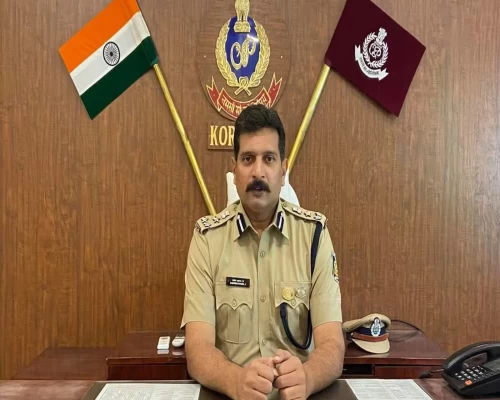
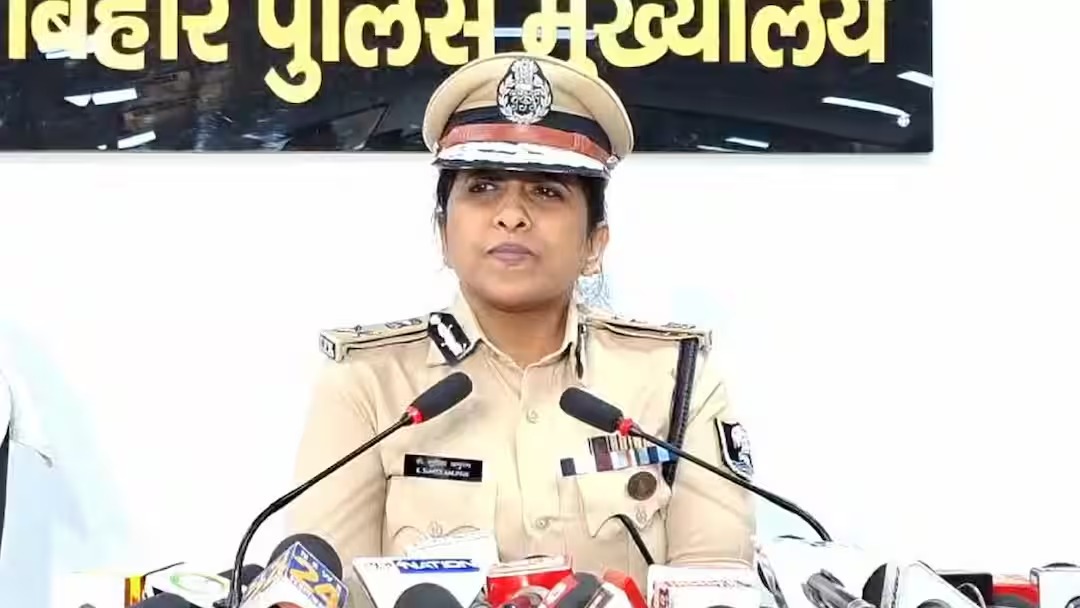
ADG Law and Order K.S. Anupam and Jamui SP Bishwajeet Dayal have warned that circulating footage that exposes the identity of a minor victim is a serious violation of child-protection laws.
Police have also arrested multiple individuals, including Ramashish Chaudhary, allegedly linked to the assault as well as the uploading and circulation of the objectionable footage
The bigger question: Where was the system?
While the arrests and SIT investigation are important, the Jamui incident raises a more fundamental governance question.
If six to seven people could allegedly intercept, assault and publicly humiliate two minors on a road, how did the incident continue without intervention? Why was there no immediate complaint or police intervention? And why did the police response gather momentum only after the video became viral and public outrage followed?
The fact that the perpetrators allegedly recorded the incident themselves and the footage subsequently spread across social media also points to a disturbing culture of public intimidation and “moral policing”.
The police have now acted decisively, identifying the accused from video evidence, arresting all seven, forming an SIT and initiating action against those circulating the victims’ identities.
But for Bihar’s law-and-order machinery, the real question is not only how quickly the accused were arrested after the video went viral, but why such an incident was allowed to happen in the first place.
The investigation must establish whether there were any missed opportunities for intervention and what measures will prevent such incidents from recurring.
For the victims, their privacy and dignity must remain paramount. For the administration, the Jamui episode must become a lesson in prevention, policing & accountability and not merely post-incident action.
BI Bureau