Saharsa, Bihar: In many rural areas, waste management is often seen primarily as a sanitation challenge. In Saharsa, Bihar, villages are demonstrating how the same waste can become an economic opportunity.
An innovative waste-management model being implemented across 21 gram panchayats is creating a cycle that turns organic waste into compost, compost into plant nurseries, and nurseries into a source of revenue for panchayats.
From waste processing to plant nurseries
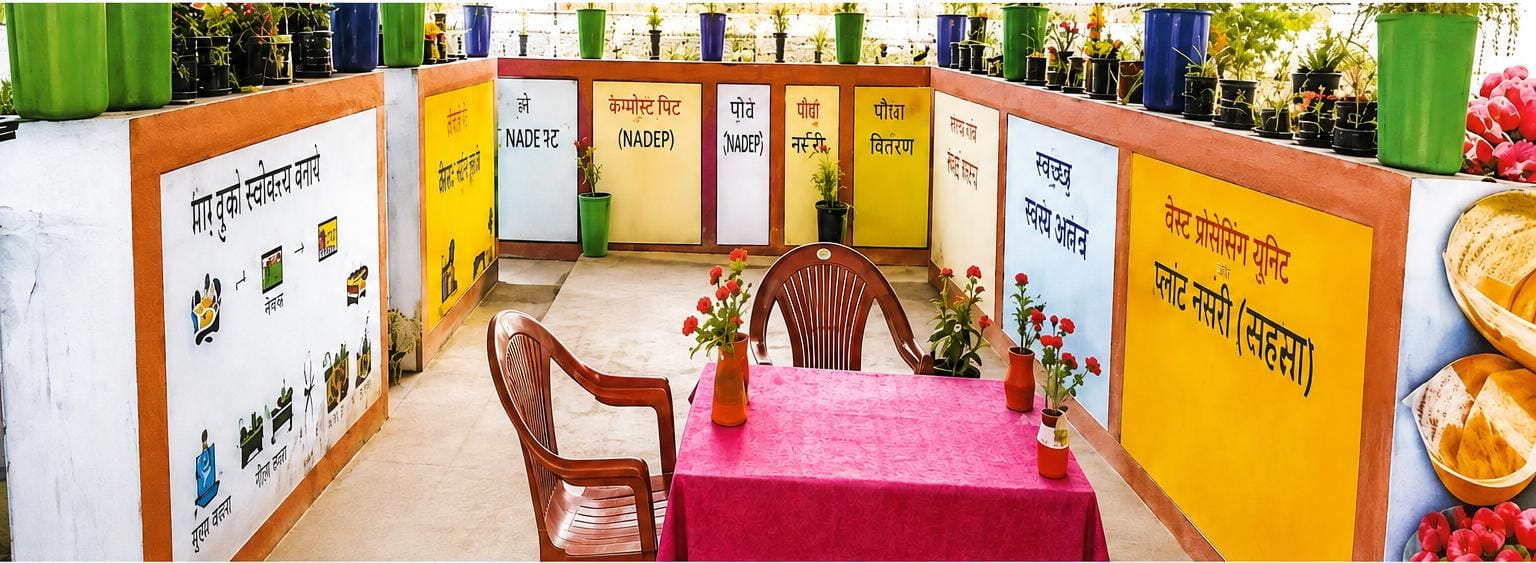
At the centre of the initiative are Waste Processing Units (WPUs) established at the panchayat level. These units use the NADEP method and compost pits to process organic waste and produce vermicompost.
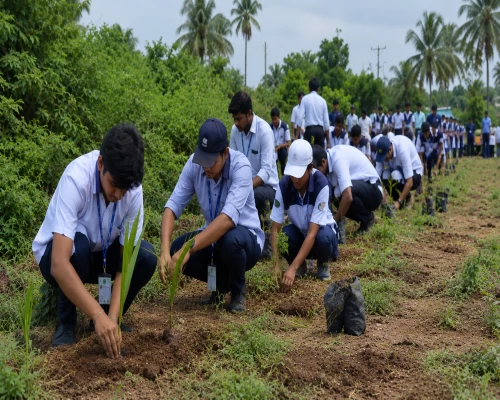
The manure is then used within the WPU premises to develop plant nurseries. Spaces that could otherwise have been filled with waste are being transformed into productive, green areas.
The model creates a simple but effective cycle:
Organic waste → Compost → Plant nursery → Plant sales → Panchayat revenue
The approach addresses more than just waste disposal. Timely processing of biodegradable waste helps reduce garbage accumulation in villages, improves cleanliness and can contribute to reducing the risk of disease.
Turning sanitation into an income-generating activity
One of the most significant aspects of the initiative is that the nurseries are not merely an extension of the waste-management system; they are generating revenue.
According to officials and panchayat representatives, nurseries developed at these WPUs generate approximately Rs 30,000–Rs 40,000 annually through plant sales.
The revenue is being used for the repair and maintenance of assets operated under the Lohiya Swachh Bihar Abhiyan (LSBA), creating a degree of financial sustainability within the local sanitation system.
This makes the model particularly relevant from a good-governance perspective: an activity undertaken for sanitation and environmental protection is being linked to local revenue generation, helping panchayats maintain the assets created under this initiative.
Better compost, healthier soil
The benefits extend beyond waste management. Officials and panchayat representatives have observed that plants grown using organic vermicompost have shown better quality and faster growth compared with plants raised using chemical fertilisers.
The manure also contributes to improved soil health and greater water-holding capacity, creating an additional environmental benefit from the composting process.
A greener model of rural development
The Saharsa initiative demonstrates how decentralised waste management can become part of a larger rural-development strategy. Instead of treating waste as something that simply needs to be removed, the model treats biodegradable waste as a resource; one that can produce compost, support greenery and generate income for local institutions.
Rural Development and Information and Public Relations Minister Shravan Kumar described the initiative as an important beginning in waste management and environmental conservation in Saharsa.
BI Bureau