Patna: Bihar, once marked by energy deficits and irregular supply, is now making calibrated strides toward clean energy adoption. The recent cabinet approval of the Bihar Renewable Energy Policy 2025 reflects not just a policy upgrade, but a broader administrative shift focused on enabling long-term sustainability and investment readiness.
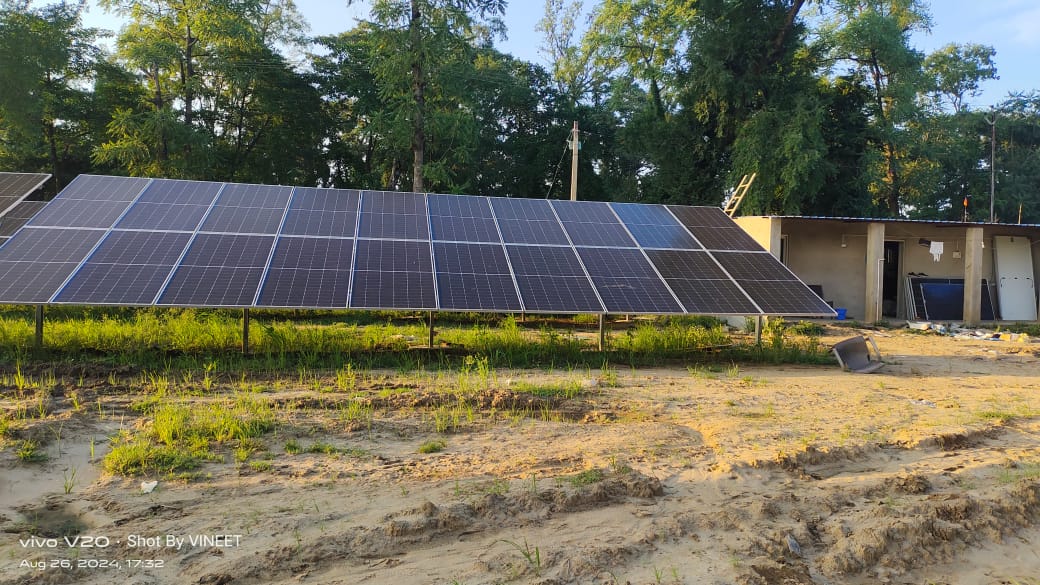
The policy, which replaces the 2017 framework, outlines a target of 23,968 MW renewable energy capacity and 6.1 GWh of storage by 2029–30. Its scope spans solar, wind, biomass, green hydrogen, pumped hydro, and battery storage and places Bihar firmly in alignment with India’s national goals under the Panchamrit commitments and the broader vision of net zero by 2070, as articulated by Prime Minister Narendra Modi at COP26.
India, under PM Modi’s leadership, has become the third-largest producer of renewable energy globally. More than 43% of the country’s total power capacity now comes from non-fossil sources. With strong policy signals, significant investor interest, and record installations in solar and wind segments, India is on track to exceed its 500 GW target of non-fossil capacity by 2030.
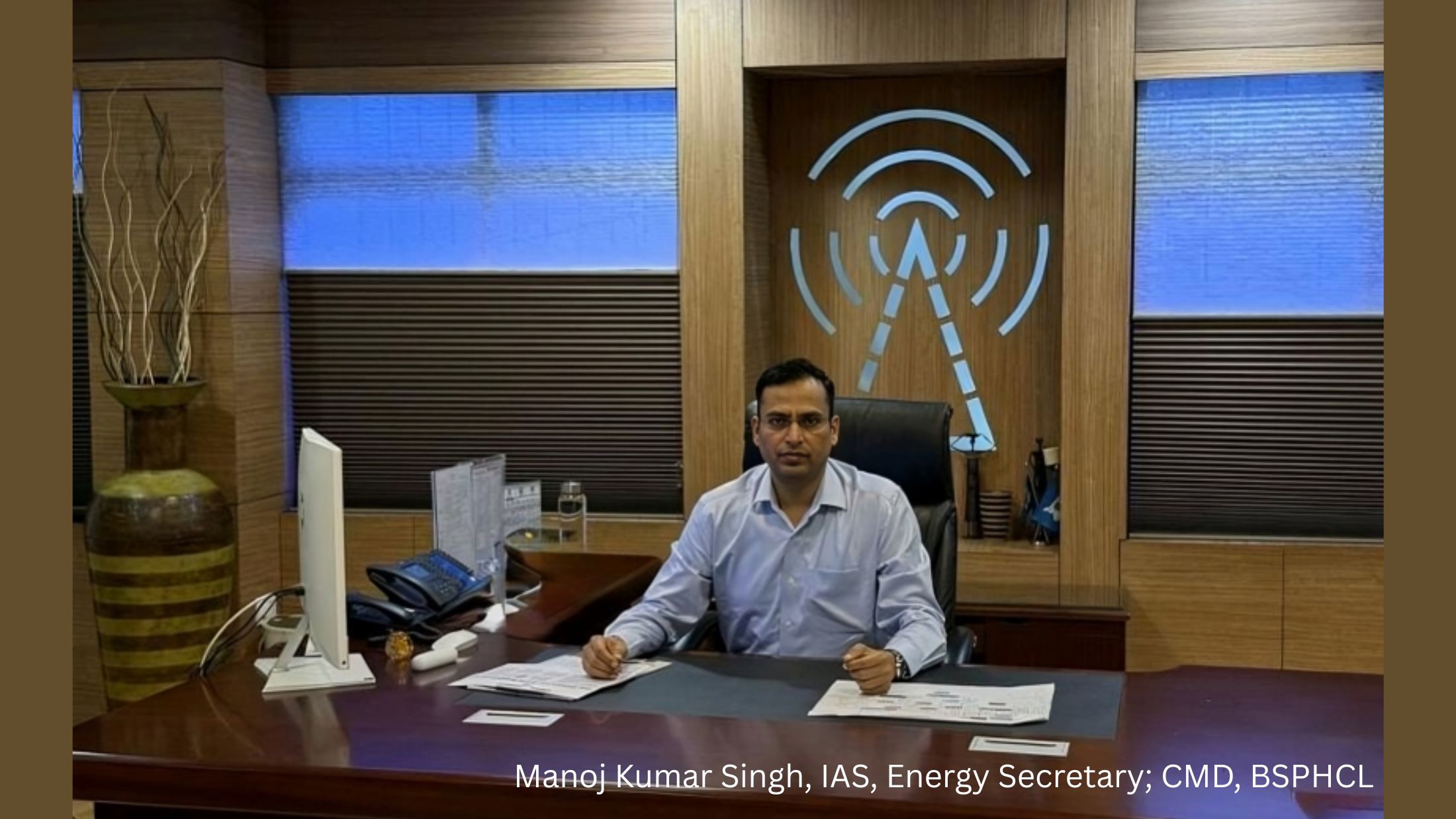
In this context, Bihar’s new policy is both timely and opportunity-driven. At the administrative helm of this transition is Manoj Kumar Singh, IAS, Energy Secretary and CMD of Bihar State Power Holding Company Limited. Known for a methodical and policy-oriented style of governance, and having played a key role earlier in Ministry of Power (Govt of India) Singh is leading in anchoring investor confidence.
On X, he noted on July 11:
“Bihar has issued the RE Policy 2025. We have offered a wide range of incentives which few can match. With ISTS waiver regime coming to end, the investments in Bihar are going to fetch maximum returns for RE Industry. Also, our own RE demand is ~23 GW by 2029–30. Come and invest.”
Bihar has issued the RE policy 2025. We have offered a wide range of incentives which few can match. With ISTS waiver regime coming to end, the investments in Bihar are going to fetch maximum returns for RE Industry. Also our own RE demand is ~23 GW by 2029-30
— Manoj Kumar Singh (@manojksingh_IAS) July 10, 2025
Come and invest. https://t.co/eghtIx5wlj
His approach has emphasized both policy clarity and openness to investor partnerships. The policy includes a suite of features: waivers on stamp duty, land conversion, transmission charges, electricity duty, and SGST, along with provisions for green tariffs, carbon credit facilitation, open access, and energy banking. Rooftop norms have also been relaxed to encourage wider participation.
He has also posted on his LinkedIn assuring investors: “Also there is an assured market within the State as we need to buy around 23 GW of RE by 2029-30 as per the Resource Adequacy Plan of the state prepared by CEA.”
Reflecting on the long-term vision, Singh observed in a press note issued boy BSPHCL: “This policy will play a critical role in helping the state meet its growing energy demands while reducing reliance on fossil fuels. It empowers the government and private sector alike to work in tandem towards building a robust, clean, and inclusive energy ecosystem.”
Energy Minister Bijendra Prasad Yadav welcomed the move, noting that the policy is a “significant milestone” in Bihar’s pursuit of sustainable development under Chief Minister Nitish Kumar’s leadership.
As states compete to attract clean energy investment, Bihar’s strategy appears clear: offer a stable, policy-driven platform backed by administrative will and economic logic. Under Singh’s stewardship, the message is being delivered with quiet clarity: Bihar is open for renewable energy business, and its fundamentals are ready.