Guwahati/Shillong: Lakadong turmeric in Meghalaya. Queen pineapple in Tripura. Coffee in Nagaland. Ginger in Mizoram. Kiwi in Arunachal Pradesh. Muga silk in Assam.
These products have little in common except one thing. They are increasingly at the centre of the Union government’s strategy to build the Northeast’s economy around products that are unique to each state. Instead of treating the region as a single agricultural belt, the focus is shifting towards creating premium brands backed by processing, certification, value addition and exports.
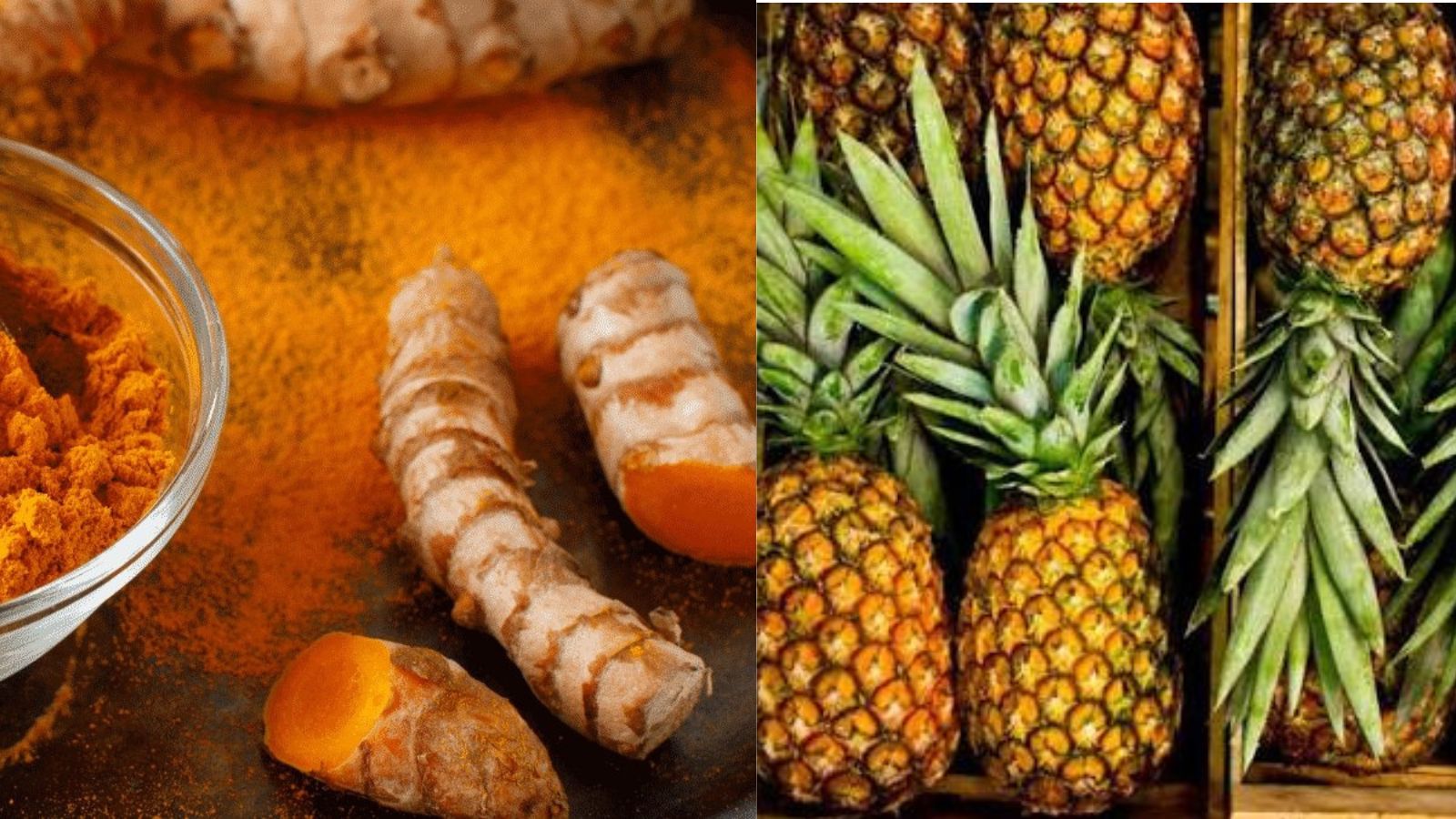
The latest addition to that strategy came on Tuesday when Union Minister for Development of North Eastern Region (MDoNER) Jyotiraditya M. Scindia and Meghalaya Chief Minister Conrad K. Sangma launched the ₹175.45-crore Mission Golden Spice, a five-year programme aimed at transforming Meghalaya’s GI-tagged Lakadong turmeric into a globally competitive premium spice.
Known for its exceptionally high curcumin content of around 7 to 10 per cent, Lakadong turmeric already enjoys a strong reputation among buyers. Yet farmers have often been unable to realise its full value because much of the produce is sold raw or with minimal processing. The new mission seeks to change that by investing across the value chain, from scientific cultivation and post-harvest management to processing, branding, quality certification and export linkages. The government hopes to expand the area under cultivation from about 2,500 hectares to nearly 7,500 hectares by 2030 while raising farmers’ earnings from around ₹30-40 per kilogram to nearly ₹80 per kilogram.
But Lakadong turmeric is only one piece of a much larger puzzle.
Over the past year, MDoNER has begun identifying a unique economic strength, or Unique Selling Proposition (USP), for each northeastern state and developing targeted interventions around it. The idea is simple: instead of competing in mass production, the Northeast can compete in products that are difficult to replicate because of their geography, climate, biodiversity or traditional knowledge.
Tripura, for instance, is scaling up the promotion of its GI-tagged Queen pineapple, one of the country’s sweetest pineapple varieties, with support for processing and exports. Nagaland is working to strengthen its emerging coffee sector, where high-altitude cultivation and specialty coffee are attracting increasing attention. Mizoram is focusing on ginger, an important commercial crop for thousands of farmers, while Arunachal Pradesh continues to expand kiwi cultivation, where it has emerged as one of India’s leading producers.
Assam’s globally renowned Muga silk, found nowhere else in the world, remains another major focus area. Alongside handloom and sericulture initiatives, efforts are increasingly directed at improving branding, market access and exports for one of India’s most distinctive geographical indication products. Sikkim, India’s first fully organic state, is similarly leveraging its organic farming ecosystem to access premium domestic and international markets.
The emphasis is not limited to identifying products. The supporting infrastructure is also beginning to take shape.
Earlier this year, Meghalaya inaugurated the Northeast’s first organically certified integrated spice processing facility at Bhoirymbong. The facility is designed to process nearly 10,000 metric tonnes of spices annually, including turmeric, ginger, chilli and black pepper, while meeting Indian and European organic certification standards. Such infrastructure is expected to reduce post-harvest losses, improve quality consistency and help farmers access higher-value export markets.
At the national level, the Agricultural and Processed Food Products Export Development Authority (APEDA) has expanded its engagement with the Northeast by supporting exports of products such as ginger, pineapple, bird’s eye chilli, organic spices and fresh fruits. The agency has also been facilitating quality certification, packhouses, cold-chain infrastructure, buyer-seller interactions and export promotion activities to connect producers with international markets.
The government’s efforts are also extending beyond agriculture. The Ashtalakshmi Mahotsav, organised by MDoNER in New Delhi, brought together farmers, artisans, entrepreneurs, exporters and investors from all eight northeastern states, showcasing GI-tagged products, handlooms, handicrafts and food products. The event reflected a growing emphasis on creating market opportunities rather than merely promoting production.
The common thread running through these initiatives is value addition. For decades, many of the Northeast’s premium products left the region as raw commodities, with processing and branding taking place elsewhere. The emerging approach seeks to retain a larger share of that value within the region through farmer producer organisations, processing facilities, traceability, certification and stronger market linkages.
Mission Golden Spice fits squarely into that broader strategy. While the programme focuses on Lakadong turmeric, it also signals how the Centre increasingly views the Northeast’s economy: not simply as a supplier of agricultural produce, but as a source of globally recognised premium products rooted in geography, quality and tradition.
If these initiatives succeed, the region’s biggest export may no longer be raw produce alone, but brands built around products that have always been uniquely its own.
BI Bureau