New Delhi: A minister’s resignation is often judged by the politics surrounding it. History, however, judges it by a different standard. In parliamentary democracies, resignation is not merely about accepting blame. It is about preserving the credibility of institutions, reinforcing public trust and demonstrating that constitutional responsibility extends beyond legal liability.
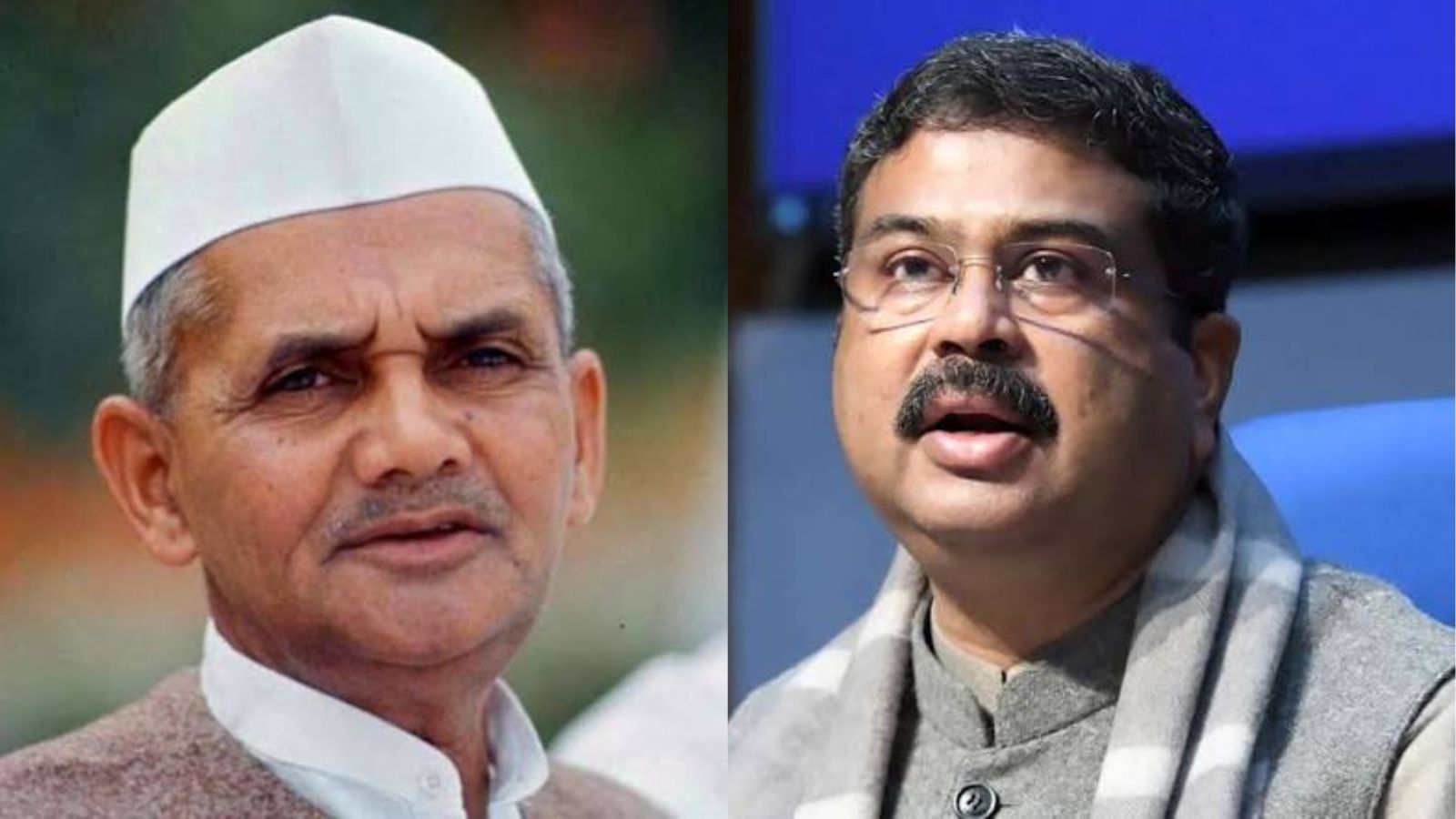
Union Education Minister Dharmendra Pradhan’s resignation on Saturday has once again brought this principle into national focus. After days of sustained student protests over alleged irregularities in national entrance examinations, Pradhan announced that he was stepping down, stating that the issue was “not a matter of personal prestige” and that he had accepted responsibility from the very beginning. He said the interests of students and the nation must remain paramount and that he did not want the issue to further affect the future of young people. His public statement also cautioned against allowing disruptive forces to exploit the situation.
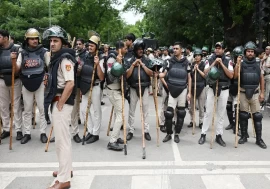
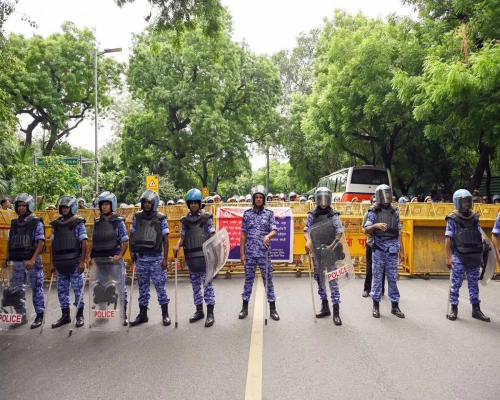
The protests that culminated in his resignation reflected far more than anger over a single examination. Allegations of paper leaks, concerns over the integrity of recruitment and entrance tests, and anxiety among millions of students transformed the issue into a wider debate on transparency and institutional credibility. As demonstrations spread and political pressure intensified, the demand gradually shifted from administrative reforms to ministerial accountability. Whether the resignation addresses those concerns remains a matter of political debate, but it undeniably marks one of the most significant instances of ministerial accountability during the present NDA government.
Indian politics has witnessed similar moments before. The benchmark was set by Lal Bahadur Shastri in 1956. Serving as Railway Minister, Shastri resigned after the Ariyalur train disaster in Tamil Nadu, which claimed over 140 lives. There was no finding of personal negligence against him. Yet he believed that the minister heading the department must accept moral responsibility for a tragedy of such magnitude. Prime Minister Jawaharlal Nehru initially expressed reluctance but eventually accepted the resignation. Over the decades, Shastri’s decision has become the gold standard of ministerial accountability in India.
Another important example came in 1999, when Nitish Kumar offered to resign as Railway Minister following the Gaisal train collision in West Bengal, one of the deadliest railway accidents in independent India. Prime Minister Atal Bihari Vajpayee did not immediately accept the resignation and instead asked Kumar to continue. The episode is significant because it demonstrated that the offer of resignation itself can be an expression of accountability, even if the political executive decides otherwise. It also illustrated that in the Westminster model followed by India, resignation is ultimately a constitutional and political decision, not merely a personal one.
There have been several other instances where ministers stepped aside under public or political pressure. Finance Minister T.T. Krishnamachari resigned in 1958 after the Mundhra scandal exposed weaknesses in financial oversight. Telecom Minister A. Raja resigned in 2010 amid the controversy surrounding the allocation of 2G spectrum licences. Minister of State for External Affairs Shashi Tharoor resigned the same year following questions linked to the IPL controversy. Law Minister Ashwani Kumar stepped down in 2013 during the coal block allocation controversy. Each case arose under different circumstances. Some resignations preceded judicial findings, while others followed intense political scrutiny. Yet they shared a common thread. Public office was seen as carrying responsibilities that extended beyond personal culpability.
That distinction is important. A resignation should not automatically be interpreted as an admission of guilt. In constitutional democracies, guilt is determined through investigation and due process. Political accountability operates in a different sphere. It concerns the confidence that citizens place in public institutions and the willingness of those occupying high office to respond when that confidence is seriously tested. It is this distinction that separates legal responsibility from democratic responsibility.
The Dharmendra Pradhan episode is therefore likely to be remembered not only for the circumstances that led to it, but also for the larger questions it raises about governance. Competitive examinations shape the aspirations of millions of young Indians every year. Any perception that these systems have been compromised inevitably places governments under extraordinary scrutiny. Restoring trust requires more than disciplinary action or administrative reforms. It also requires visible accountability, transparent communication and institutional course correction.
For governments of every political persuasion, this remains one of the enduring lessons of democratic governance. Institutions derive legitimacy from public confidence, and public confidence depends upon accountability. From Lal Bahadur Shastri’s moral stand in 1956 to Nitish Kumar’s offered resignation after Gaisal, and now Dharmendra Pradhan’s decision amid a national education controversy, the underlying principle has remained remarkably consistent. Governments may change, controversies may differ and political contexts may evolve, but accountability continues to be one of the strongest pillars on which good governance rests.
BI Bureau