Kathmandu: When roads disappeared, bridges collapsed and Nepal’s Himalayan landscape was swallowed by floods and landslides, help came from the sky.
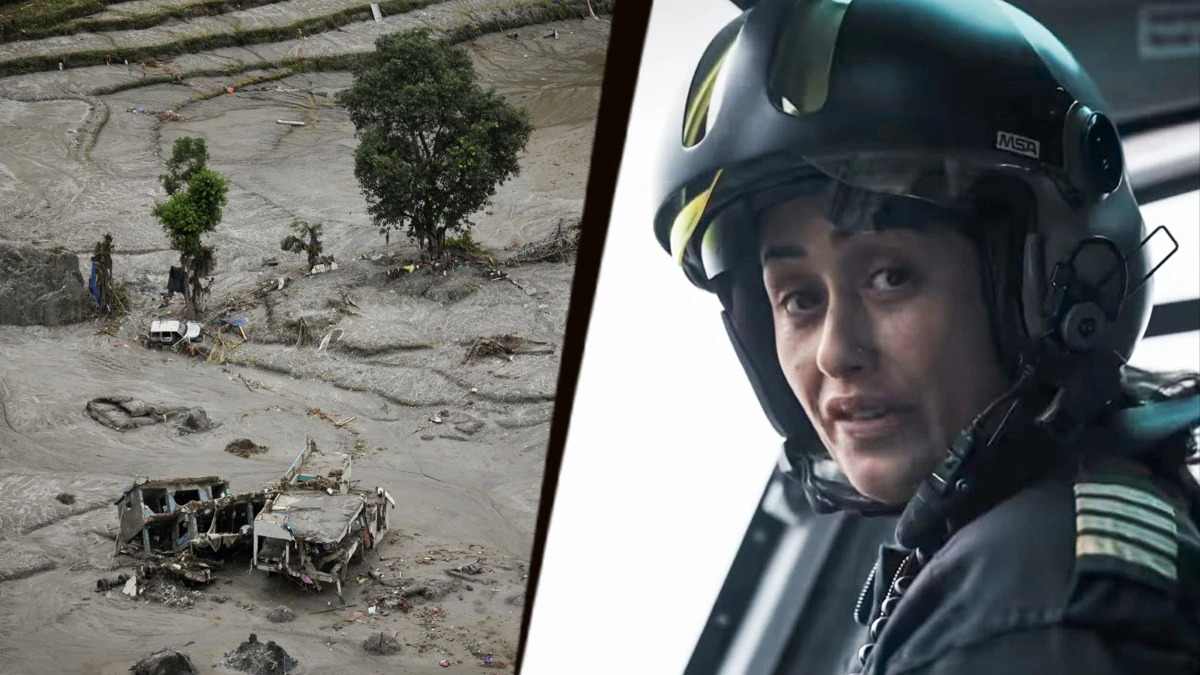
For six relentless days, Captain Priya Adhikari, Nepal’s first woman helicopter captain, flew nearly 100 rescue missions over the disaster-hit region.
In Timure, Rasuwa, near the Tibet border, around 20 helicopters operated in a confined valley, sometimes with five or six trying to land at the same spot. The ground itself was dangerous, with thick mud making even landing hazardous. Pilots often had to keep the helicopter powered while survivors were brought aboard.
Adhikari recalled seeing people on the ground waving as helicopters arrived. Her response was simple: “You survived.”
More than 200 people were evacuated from Timure in the first two days alone. But not every mission was about rescue. From the air, Adhikari also saw bodies scattered across areas devastated by the floods, a reminder of the human cost of the disaster.
Her concern extended beyond those she knew. She continued searching for missing people, including the parents of an American-Indian woman and two Nepali men.
Adhikari’s path to the cockpit was unconventional. After studying environmental science and working as cabin crew, a helicopter ride sparked her interest in aviation. She later trained in the Philippines and became a full-time helicopter pilot in 2017, specialising in high-altitude search-and-rescue missions, including flights reaching around 6,200 metres.
She had already flown rescue missions after Nepal’s 2015 earthquake and in the Himalayas. But the scale of this disaster tested even that experience.
After nearly 100 sorties in six days, exhaustion was inevitable. Yet when asked about the extraordinary effort, Adhikari’s answer was understated: “We’ve been trained for this.”
For the world, it may be a record of 100 missions. For the survivors below, it meant that the helicopter came and they survived.
BI Bureau