New Delhi: India has crossed a major milestone in its clean energy transition, with its installed non-fossil fuel-based electricity generation capacity reaching 300.50 GW as of July 31, 2026, according to the Ministry of New and Renewable Energy.
The achievement puts India more than 60% of the way towards its target of installing 500 GW of non-fossil fuel-based capacity by 2030. Non-fossil sources now account for over 54% of the country’s total installed electricity generation capacity, which stands at around 552 GW.
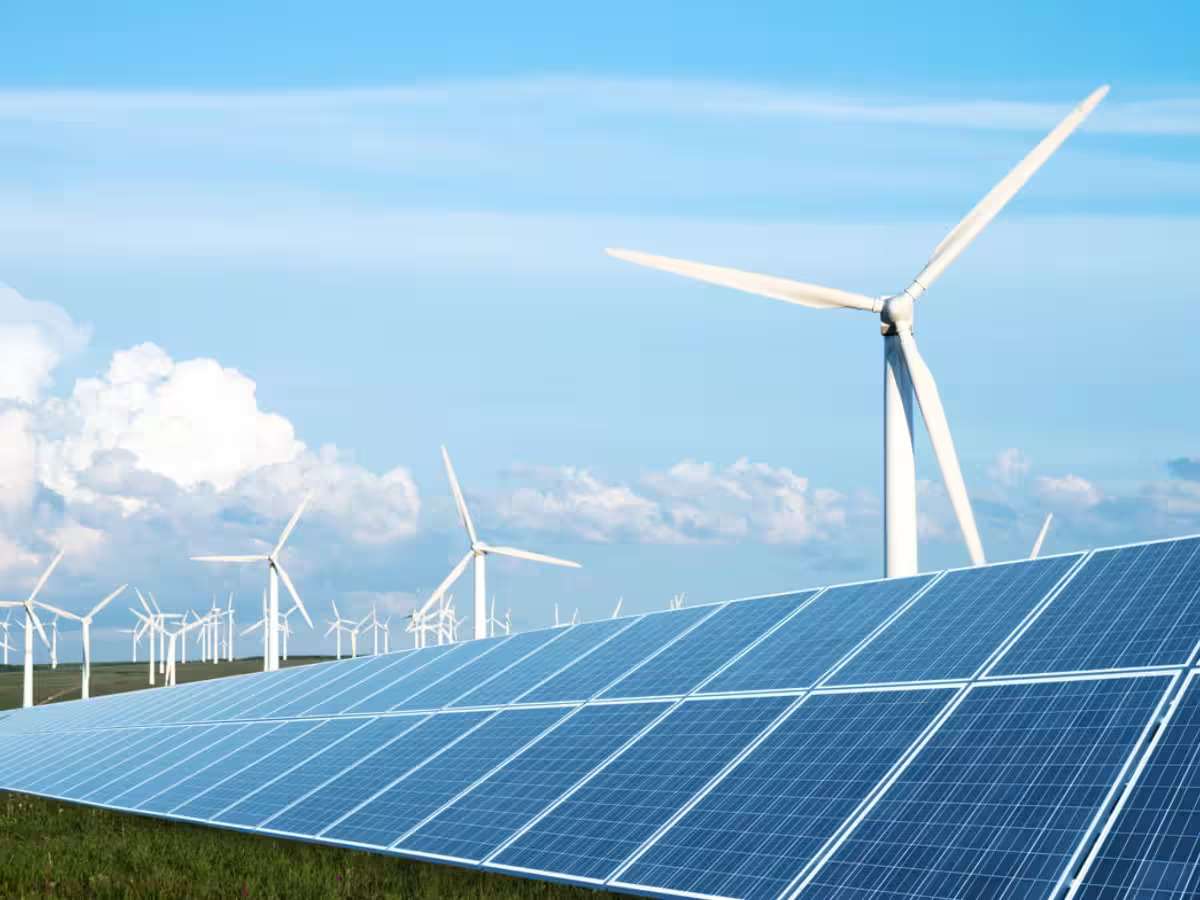
Solar power continues to drive the expansion, with installed capacity reaching 164.59 GW. Wind power accounts for 58.14 GW, while large and small hydropower together contribute 57.24 GW. Bio-power stands at 11.75 GW and nuclear power at 8.78 GW.
India’s solar sector has recorded particularly rapid growth over the past decade. Solar capacity has risen from just 2.8 GW in 2014 to nearly 165 GW in July 2026. Wind power capacity has also increased substantially, from 21 GW in 2014 to more than 58 GW.
The pace of capacity addition accelerated further during 2025-26, when India added a record 55.29 GW of non-fossil fuel-based electricity generation capacity. Solar accounted for 44.6 GW of the additions, while wind contributed another 6 GW.
The expansion of installed capacity has been accompanied by a significant increase in renewable electricity generation. Renewable energy generation rose from 190.96 billion units in 2014-15 to 477.79 billion units in 2025-26, reflecting the growing role of clean energy in India’s power mix.
Alongside capacity expansion, India has been strengthening its domestic clean energy manufacturing ecosystem. The capacity enlisted under the Approved List of Models and Manufacturers for solar PV modules has crossed 200 GW, compared with just 2.3 GW in 2014. The Production Linked Incentive scheme has supported the development of domestic manufacturing capabilities, particularly for high-efficiency solar modules.
The government is also focusing on reducing dependence on imported clean energy components and building an Aatmanirbhar energy ecosystem. The expansion of domestic manufacturing is expected to strengthen India’s energy security while creating opportunities across the renewable energy value chain.
Beyond electricity generation, the Ministry of New and Renewable Energy is pursuing industrial decarbonisation through the National Green Hydrogen Mission. The mission seeks to establish India as a global hub for the production, use and export of green hydrogen and its derivatives.
The crossing of the 300 GW mark underscores the scale of India’s clean energy expansion. With more than half of the country’s installed generation capacity now coming from non-fossil sources, the focus is increasingly shifting towards achieving the 500 GW target by 2030 while strengthening energy security, domestic manufacturing and economic resilience.