India’s preferential access to global markets has expanded to around USD 70 trillion, with the figure expected to reach USD 85 trillion. The Ministry of Commerce and Industry is organising workshops across States to help exporters, entrepreneurs and MSMEs understand and utilise opportunities under Free Trade Agreements (FTAs).
India is strengthening its position in international trade through a growing network of Free Trade Agreements (FTAs). These agreements provide Indian businesses with preferential access to overseas markets by reducing or removing customs duties on selected products and services.
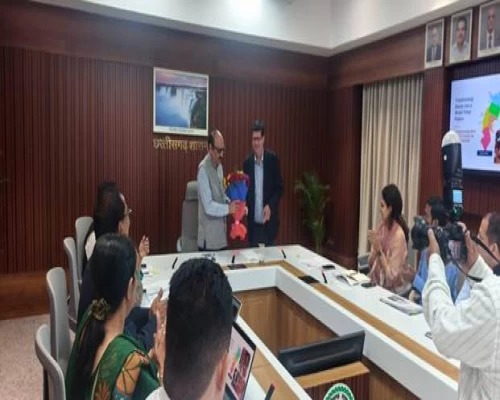
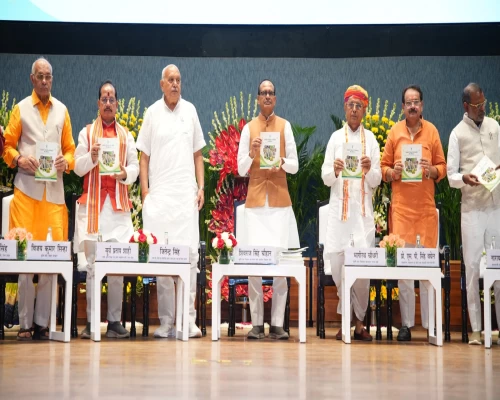
To help businesses benefit from these agreements, the Ministry of Commerce and Industry organised outreach initiatives in Jaipur and Dehradun on 27 November 2026. The workshops focused on helping exporters, entrepreneurs and Micro, Small and Medium Enterprises (MSMEs) identify export opportunities and improve their access to international markets.
According to Commerce Minister Piyush Goyal, India's preferential access to global markets, which represented around USD 10 trillion in GDP a few years ago, has expanded to approximately USD 70 trillion. With ongoing trade engagements, this figure is expected to reach USD 85 trillion, representing nearly 76 per cent of global GDP.
What is a Free Trade Agreement (FTA)?
A Free Trade Agreement is an arrangement between two or more countries to reduce or remove trade barriers, particularly customs duties, on goods and services traded between them.
FTAs aim to make international trade easier, improve market access and encourage investment and economic cooperation between participating countries.
Key features of FTAs include:
- Reduction or removal of customs duties on selected goods.
- Preferential access for exporters in partner countries.
- Opportunities for investment and business partnerships.
- Cooperation in services and other areas of economic activity.
- Greater integration of businesses into global supply chains.
For example, under the India-UAE Comprehensive Economic Partnership Agreement (CEPA), customs duty on whole cumin seeds has been reduced from 5 per cent to zero. This creates opportunities for Indian farmers and farmer-producer organisations to expand their presence in the UAE market.
How are India's FTAs benefiting exporters?
India's trade agreements are creating opportunities across several sectors, including textiles, gems and jewellery, handicrafts, agriculture, engineering and leather goods.
Some important examples include:
- United Arab Emirates and Australia: The 5 per cent customs duty on jewellery has been removed under the respective agreements.
- United Kingdom: Duties of 2–4 per cent on jewellery, up to 12 per cent on garments and 8 per cent on carpets have been removed.
- European Union: Duties on cotton garments and bedlinen (12 per cent) and carpets (8 per cent) are set to end upon the agreement's entry into force.
- New Zealand: The agreement provides 100 per cent duty-free access, opening opportunities for MSMEs, farmers, artisans and women entrepreneurs.
These tariff concessions can make Indian products more price-competitive in international markets.
What is the Export Promotion Mission (EPM)?
The Export Promotion Mission is an initiative aimed at strengthening India's export ecosystem, particularly by supporting MSMEs and improving their global competitiveness.
The mission has an outlay of Rs.25,060 crore for the period 2025–26 to 2030–31.
Its interventions include:
- Support for export credit.
- Assistance for participation in international exhibitions.
- Testing and certification support.
- Overseas warehousing and logistics assistance.
- Reimbursement of eligible transportation costs.
The initiative also extends transportation cost reimbursement eligibility to MSME exporters in an additional 308 districts across 21 States and Union Territories. The number of certificates eligible for reimbursement has also increased to 600.
What is the Districts as Export Hubs (DEH) initiative?
The Districts as Export Hubs initiative seeks to identify products and services with export potential in every district and develop them into export-oriented economic activities.
The approach focuses on:
- Identifying district-specific products and services.
- Supporting local manufacturers, artisans and entrepreneurs.
- Improving export infrastructure and logistics.
- Connecting local businesses with international markets.
- Promoting employment and economic development at the district level.
The initiative is particularly relevant for MSMEs and traditional industries that have the potential to reach international markets.
What are Rules of Origin (RoO)?
Rules of Origin are criteria used to determine the country in which a product has been manufactured or substantially transformed.
These rules are important in FTAs because preferential customs duties are generally available only to products that meet the agreement's origin requirements.
For example, a product manufactured in a non-member country cannot automatically claim preferential duty benefits simply because it is routed through an FTA partner country.
Rules of Origin help prevent such misuse and ensure that the benefits of trade agreements reach eligible producers.
What are India's recent trade developments?
India's engagement with global markets has expanded through several bilateral and regional trade agreements.
Important developments include:
- United Kingdom: The FTA came into force on 15 July 2026, providing zero-duty access on nearly 99 per cent of India's exports.
- Oman: The agreement, effective from 1 June 2026, provides duty-free access for 99.38 per cent of India's exports by value.
- UAE and Australia: India has had FTAs with both countries since 2022.
- European Union: Under the agreement, duties will end on 70.4 per cent of the EU's tariff lines, covering 90.7 per cent of India's export value, with another 20.3 per cent of tariff lines being phased. The agreement is expected to come into effect in early 2027.
- United States: A framework for an interim agreement was announced on 7 February 2026, with negotiations ongoing.
- Canada: The sixth round of negotiations was held from 11 to 20 November 2026.
- Other trade partners: Negotiations are also underway with Chile, Peru, Israel, the Eurasian Economic Union and Mexico.
How are States benefiting from export promotion?
The outreach workshops in Jaipur and Dehradun highlighted the role of States in translating national trade agreements into export opportunities.
In Rajasthan, exports reached USD 11.18 billion in 2025–26. Engineering goods, gems and jewellery, textiles and handicrafts were among the leading contributors. The State has set a target of Rs.1.5 lakh crore in exports by 2029.
In Uttarakhand, exports increased from Rs.10,836 crore in 2017–18 to Rs.13,802 crore in 2025–26. Pharmaceuticals, engineering goods, food processing, organic and herbal products, and handicrafts are among the key export sectors.
The State is also developing industrial and logistics infrastructure, including an Integrated Manufacturing Cluster spread across 1,002 acres at Khurpia, Kichha, at a cost of Rs.1,100 crore.
Initiatives such as 'House of Himalayas' and 'Himadri' are helping traditional handicrafts, Aipan art, millets and products of women's self-help groups gain wider recognition.
Why is this Important for UPSC?
The expansion of India's Free Trade Agreements connects with several important areas of the UPSC syllabus:
Indian Economy: International trade, exports, imports, trade balance, customs duties and global economic integration.
Government Policies: Export Promotion Mission, Districts as Export Hubs and India's foreign trade policy.
International Relations: India's economic partnerships and trade relations with the UAE, Australia, UK, EU and other countries.
Inclusive Growth: Opportunities for MSMEs, farmers, artisans, women entrepreneurs and labour-intensive industries.
Industrial Development: Global supply chains, manufacturing competitiveness, investment and logistics infrastructure.
Employment Generation: Export-led growth and employment opportunities in textiles, apparel, leather and other labour-intensive sectors.
UPSC Prelims Facts
Free Trade Agreements (FTAs)
- FTAs aim to reduce or remove trade barriers between participating countries.
- They provide preferential market access to eligible goods and services.
- India has had FTAs with the UAE and Australia since 2022.
- The India-UK FTA came into force on 15 July 2026.
Export Promotion Mission (EPM)
- Has an outlay of Rs.25,060 crore.
- Covers the period 2025–26 to 2030–31.
- Includes support for export credit, testing, certification, exhibitions and logistics.
Rules of Origin (RoO)
- Determine the country of origin of traded goods.
- Help establish eligibility for preferential tariff treatment under FTAs.
- Prevent misuse of trade agreements through simple rerouting of goods.
Districts as Export Hubs (DEH)
- Focuses on identifying district-level products and services with export potential.
- Seeks to connect local producers with international markets.
- Supports regional economic development and employment.
Important Trade Figures
- India's goods and services exports reached USD 568.84 billion during April–October 2026, registering growth of 16.66 per cent.
- India has set an export target of USD 1 trillion for 2026–27.
- Rajasthan's exports stood at USD 11.18 billion in 2025–26.
- Uttarakhand's exports reached Rs.13,802 crore in 2025–26.
Possible UPSC Mains Question
Q. Free Trade Agreements can play an important role in strengthening India's export competitiveness and integrating domestic industries with global value chains. Discuss the opportunities and challenges associated with India's expanding network of FTAs.
Key points for an answer
- FTAs provide preferential market access by reducing or eliminating customs duties.
- They can improve the price competitiveness of Indian products in international markets.
- MSMEs, farmers, artisans and labour-intensive sectors can benefit from expanded export opportunities.
- Greater trade integration can encourage foreign investment, technology transfer and participation in global supply chains.
- Challenges include compliance with Rules of Origin, quality standards, competition from foreign products and limited awareness among smaller exporters.
- Inadequate logistics, infrastructure and access to export finance can restrict the ability of domestic businesses to utilise FTA benefits.
- Government initiatives such as the Export Promotion Mission and Districts as Export Hubs can help address these constraints.
- Effective implementation, stronger domestic manufacturing and greater awareness among exporters are essential to maximise the benefits of trade agreements.
Main information source: Press Information Bureau (PIB), Ministry of Commerce and Industry, 28 November 2026.