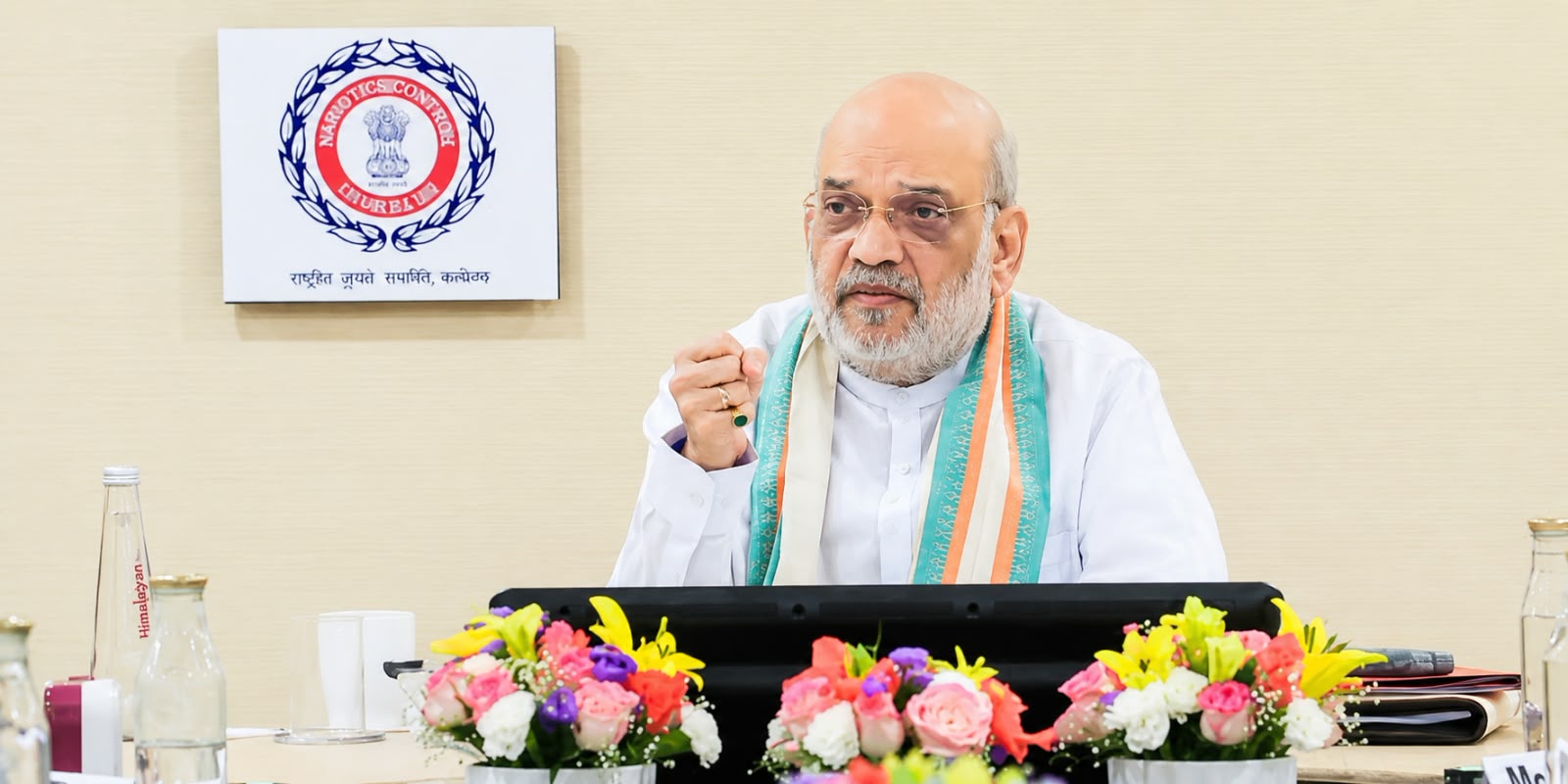
New Delhi: Union Home Minister Amit Shah has called for a shift from responding to security threats after they emerge to anticipating and preventing them, urging the country’s security establishment to use artificial intelligence, integrated databases and intelligence analysis to identify future threats before they become crises.
Addressing the valedictory session of the two-day 9th National Security Strategies Conference in New Delhi on Tuesday, Shah said the forum should study security trends over the next 15 to 20 years and determine in advance what challenges could emerge and how they can be prevented. He said strengthening internal security is a prerequisite for achieving the goal of a developed India by 2047.
A key focus of Shah’s address was the use of AI in policing and intelligence. He said an integrated data bank bringing together CCTNS, ICJS, NATGRID and NAFIS has been created and called on young police officers to use AI for data integration, analysis and identification of modus operandi to develop actionable intelligence. The objective, he said, should be to anticipate future security challenges and prevent them before they materialise.
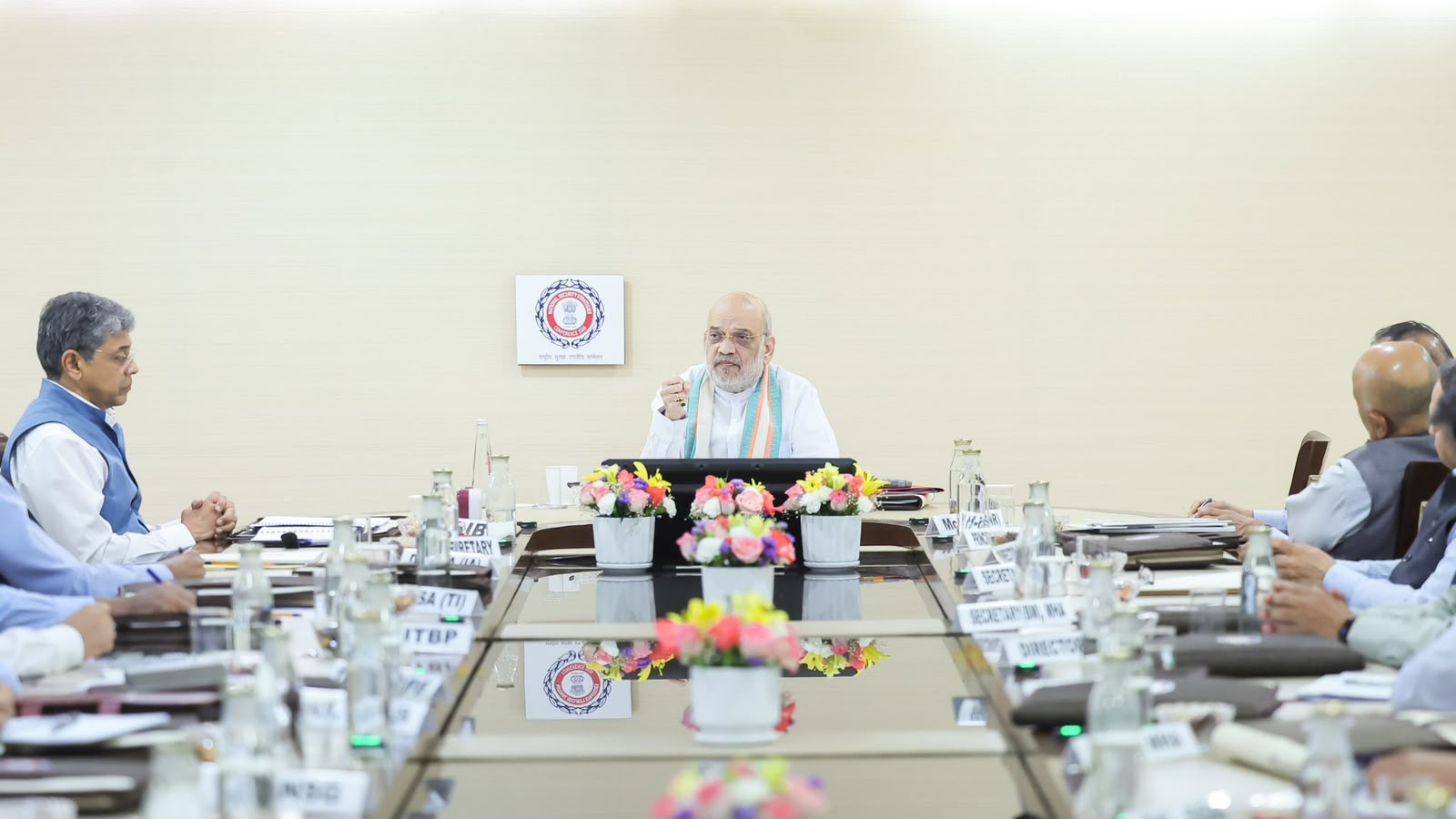
The Home Minister also pushed for greater use of technology at the Multi-Agency Centre. At the conference, he had directed that AI-based analysis of information available on MAC platforms be undertaken to develop standard operating procedures for dealing with different national security challenges. He also stressed stronger coordination among security and law enforcement agencies.
Shah set a one-year target for 100 per cent implementation of the three new criminal laws, saying effective implementation should enable criminal cases to be disposed of up to the Supreme Court within three years and raise the conviction rate by 25 per cent. He also highlighted the expansion of forensic capabilities, including the network of Forensic Science Laboratories and the role of the National Forensic Sciences University in supplying trained personnel.
On terrorism, Shah called for the PRAHAR strategy to move from a policy document to everyday police practice, with the objective of dismantling terrorist networks in their entirety. He also emphasised faster action against fugitives, including bringing them back to India and using provisions for trial in absentia, along with a comprehensive and integrated approach to investigations under the Unlawful Activities (Prevention) Act.
Border security and infiltration were another major focus. Shah said he had visited all states sharing land borders over the previous eight months and shared with them a four-pronged approach to border security. He called for strict action against infiltration and said the government’s objective was to make the country free of infiltrators in a short period. He underlined that infiltration has implications not only for national security but also for the economy and demographic changes.
On narcotics, Shah asked state police forces to implement the Narcotics Control Vision Document 2026-2029 on the ground and adopt a three-pronged approach of Detect, Disrupt and Destroy to dismantle drug networks and protect the younger generation.
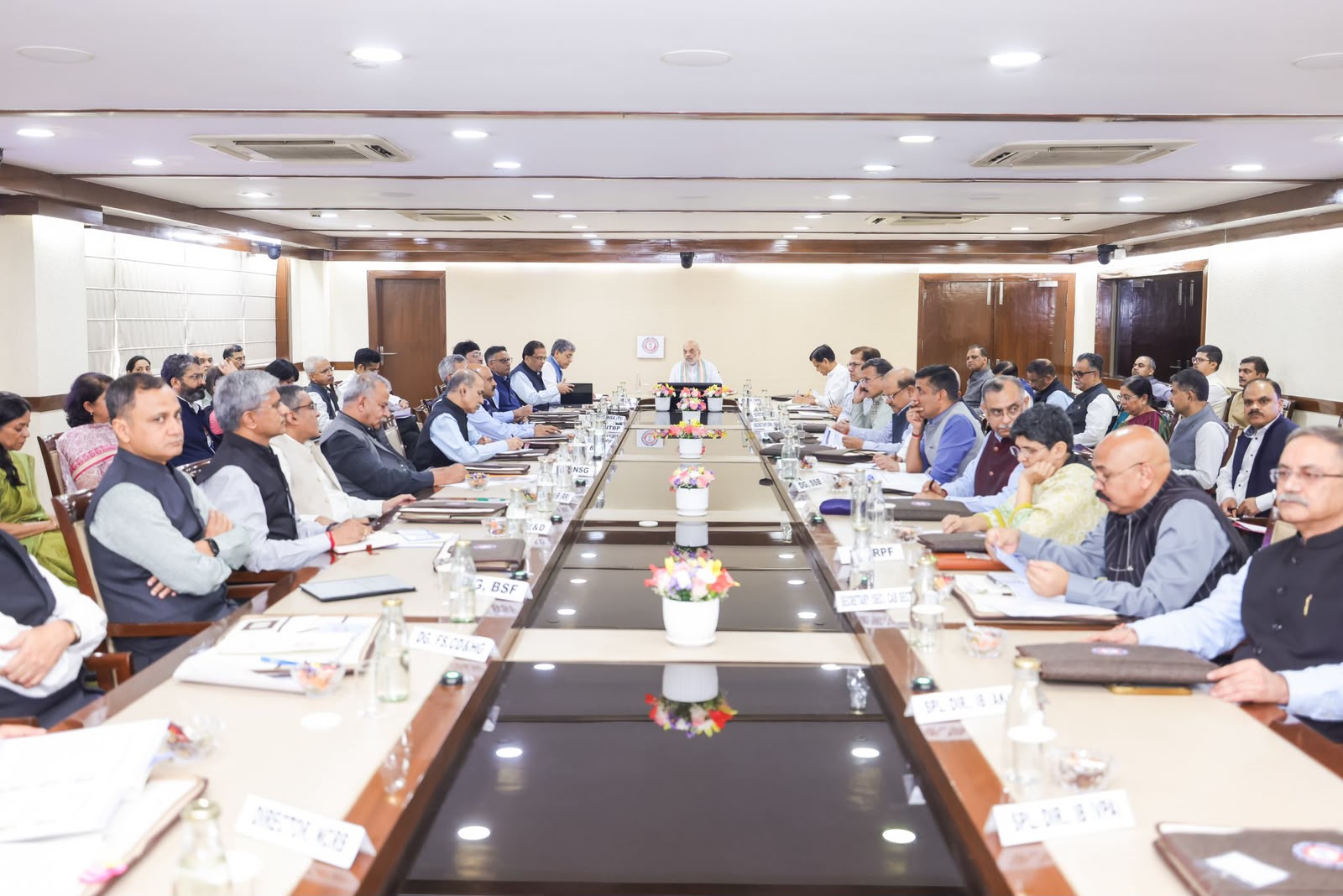
The conference also examined a wide range of emerging threats, including cybercrime, Pakistan’s proxy warfare, illegal migration, sub-aerial systems, information warfare, the security of the blue economy and bio-security. More than 850 participants took part in the hybrid conference, bringing together senior officials from the Centre, state police forces, Central Armed Police Forces, intelligence agencies and domain specialists.
The 2026 conference thus placed greater emphasis on predictive security, technological integration and inter-agency coordination, with Shah stressing that India’s internal security architecture must not merely consolidate existing gains but continuously anticipate the threats of the next decade and beyond.