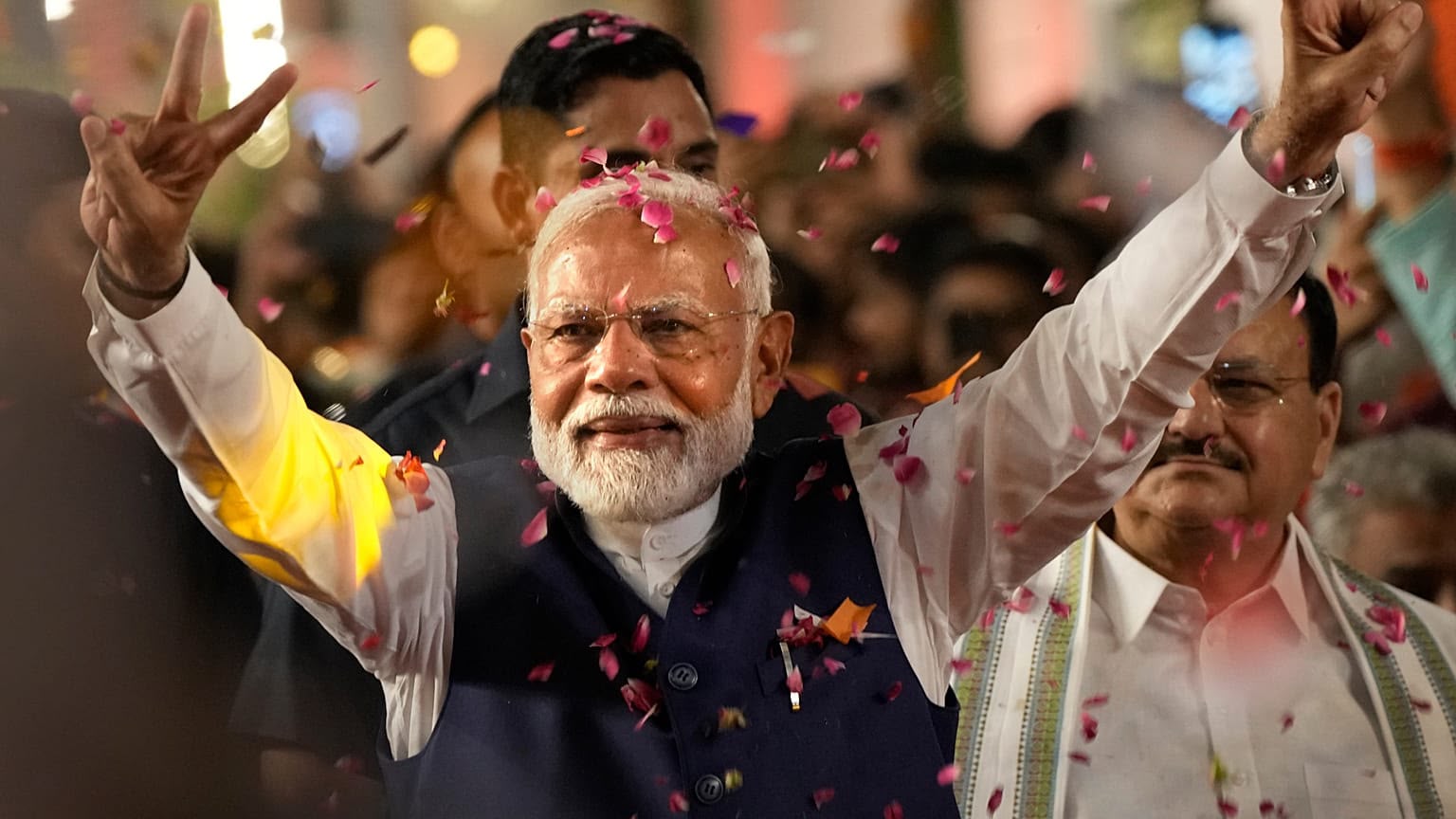
New Delhi: India’s recent story is increasingly being told through numbers that span economic growth, infrastructure expansion, digital adoption, manufacturing, energy transition and financial inclusion. As Prime Minister Narendra Modi turns 76, these developments provide a snapshot of how the country’s economic and institutional landscape has evolved in recent years.
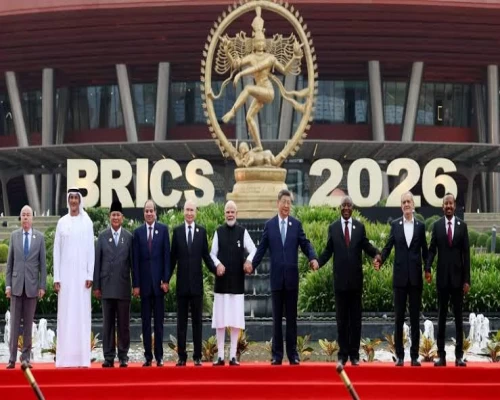
The latest chapter came with India hosting the 18th BRICS Summit in New Delhi on September 12 and 13 under its 2026 chairship. The expanded grouping adopted the New Delhi Declaration, while more than 400 BRICS meetings and engagements were held across 30 Indian cities during India’s chairship. The declaration also noted progress on the BRICS Economic Partnership Strategy 2030, cross-border payment mechanisms and cooperation in areas including energy, technology, transport and manufacturing.
The summit also saw discussions on reforming global governance and strengthening the representation of developing countries in international institutions. Modi chaired a BRICS session on Inclusive Global Governance and Strengthening Multilateralism.
At home, India’s real GDP growth stood at 7.7% in FY 2025-26, compared with 7.1% in FY 2024-25. Real GDP was estimated at ₹323.12 lakh crore in FY 2025-26.
Infrastructure has expanded alongside economic activity. National highway length increased from 91,287 km in FY 2013-14 to 1,46,572 km in March 2026. Four-lane and above national highways increased from 18,371 km to 45,516 km over the same period. As of March 2026, 3,644 km of access-controlled high-speed corridors and expressways were operational.
Railways have also seen significant expansion in electrification and new-generation services. Rail electrification reached 99.6% by July 2026. By then, 162 Vande Bharat services and 72 Amrit Bharat services were operational. India also launched its first indigenously developed hydrogen fuel cell trainset.
India’s digital payments ecosystem has grown at an equally large scale. UPI processed 24,161.69 crore transactions worth ₹314.23 lakh crore during FY 2025-26. The system was connected to 731 banks as of March 2026.
Financial inclusion has expanded through the Jan Dhan programme. The number of PM Jan Dhan accounts rose from 14.72 crore in 2015 to 59.09 crore as of August 19, 2026. Of these, 32.92 crore accounts were held by women, while 45.95 crore accounts were in rural and semi-urban areas.
The energy transition has reached another major milestone. India crossed 300 GW of installed non-fossil fuel-based electricity generation capacity on July 31, 2026, reaching 300.50 GW. This accounted for more than 54% of the country’s total installed electricity generation capacity. Solar capacity stood at 164.59 GW and wind capacity at 58.14 GW.
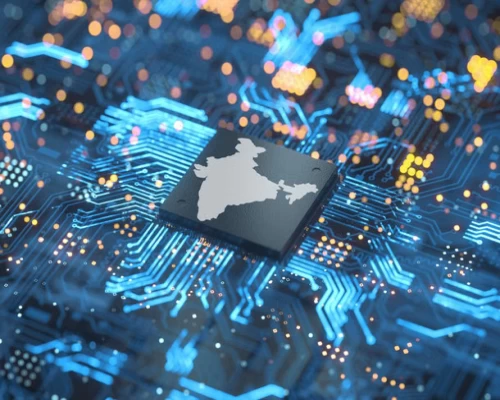
Manufacturing has also expanded, particularly in electronics. Electronics production rose from ₹1.90 lakh crore in 2014-15 to an estimated ₹13.11 lakh crore in 2025-26, while electronics exports reached ₹4.24 lakh crore. Mobile phone production increased to ₹6.27 lakh crore during the same period.
Across highways and railways, digital payments and banking, manufacturing and clean energy, the numbers point to changes taking place across multiple layers of the Indian economy. At 76, Narendra Modi’s birthday offers an occasion to look at these developments through the scale and data shaping India’s current trajectory.
BI Bureau