New Delhi: What starts with farm waste could soon end up fuelling India’s roads.
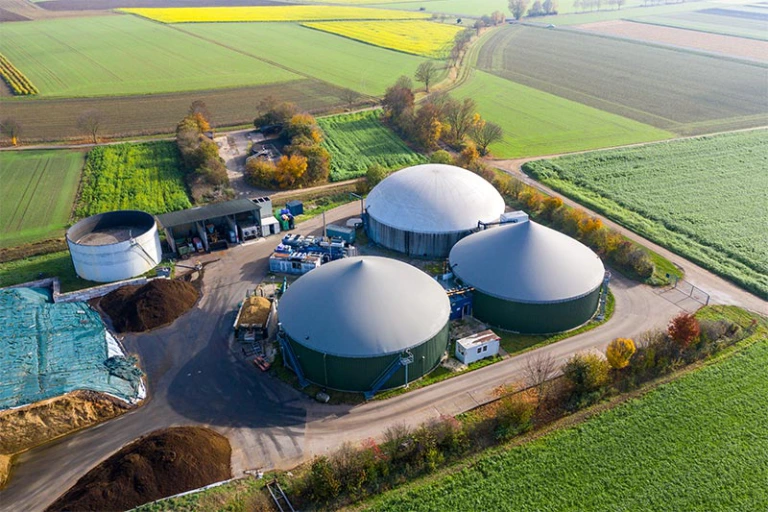
The Centre’s ₹23,731 crore GOBardhan push is set to give compressed biogas (CBG) a major lift over the next decade, and the automotive industry could emerge as one of its biggest beneficiaries. By creating a more predictable market for CBG, the government is looking to turn agricultural and organic waste into a domestic source of transport fuel.
The Galvanising Organic Bio-Agro Resources Dhan scheme will be implemented from FY2027 to FY2036, with the government putting in place measures including guaranteed purchase, stable pricing, pipeline connectivity and easier access to finance.
For the auto sector, the significance lies in one simple advantage: CBG can fit into much of the infrastructure already built for CNG.
Storage systems, distribution networks and other elements of the existing gas ecosystem can be adapted for CBG, potentially allowing the fuel to scale faster without requiring an entirely new infrastructure network.
The move also comes at a time when India is looking to reduce its dependence on imported energy. A substantial portion of the country’s CNG ecosystem is linked to imported LNG. Greater availability of domestically produced CBG could help diversify the fuel mix, reduce import dependence and strengthen energy security.
The government has already set a clear blending trajectory. Gas companies will be required to begin blending 3% CBG from the current financial year, with the requirement rising to 5% by FY2029.
That policy push could eventually change the calculations for automakers. As CBG supply becomes more reliable, manufacturers could have greater reason to develop CBG-compatible vehicles and invest in the infrastructure needed to produce and distribute the fuel.
Maruti Suzuki has already explored the space, showcasing CBG-powered vehicle models and investing in CNG-related production infrastructure. The government’s long-term policy support could now encourage other automobile companies to look beyond conventional CNG and assess the commercial potential of CBG.
The opportunity extends well beyond vehicles. A larger CBG ecosystem could connect farmers, waste processors, gas companies, energy producers and automakers, creating a domestic value chain around a fuel produced from agricultural and organic waste.
For India’s auto industry, therefore, GOBardhan could be more than a biogas scheme. It could be the policy push that takes CBG from an alternative fuel on the sidelines to a serious part of the country’s mobility and energy story.
BI Bureau