Lead Story


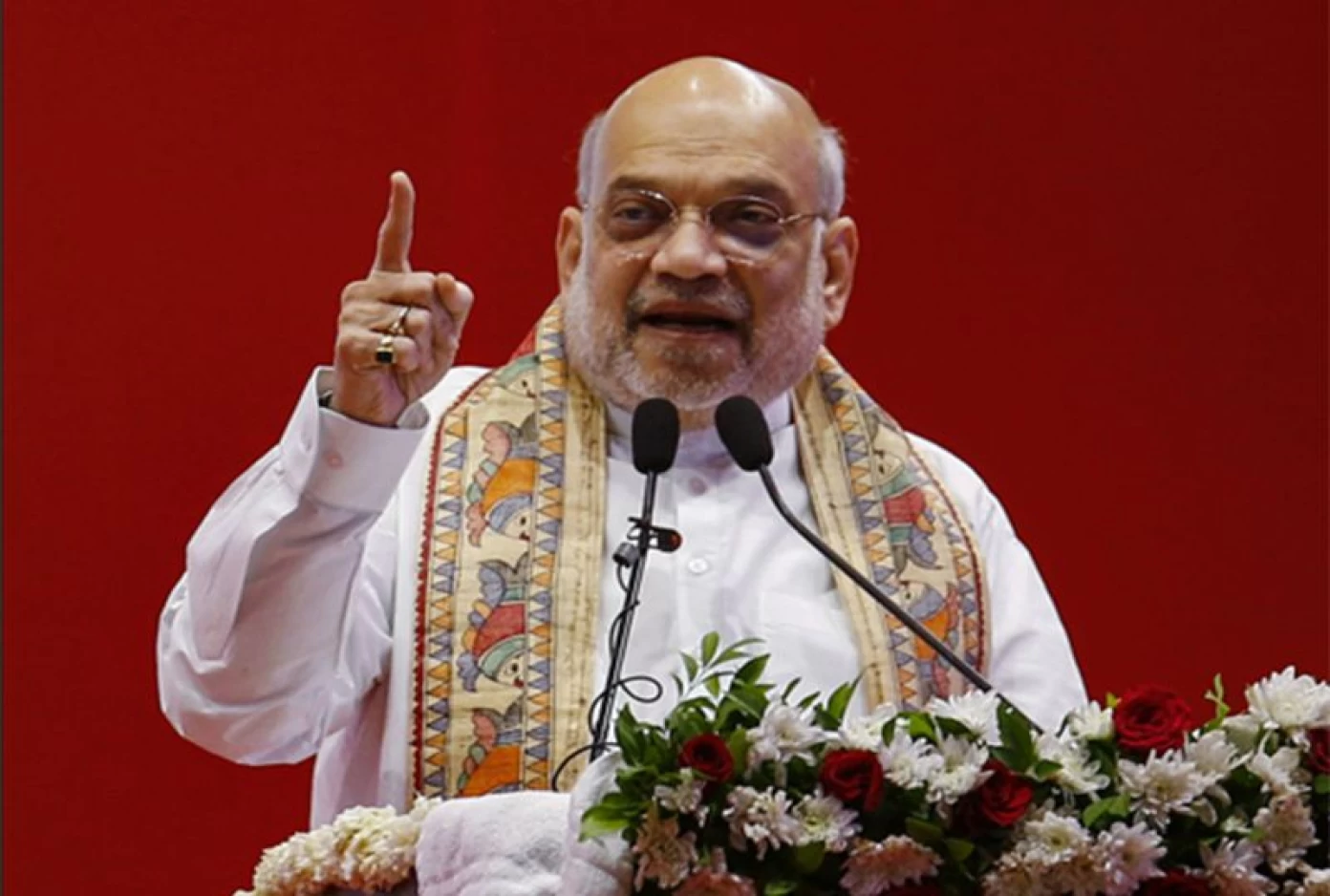
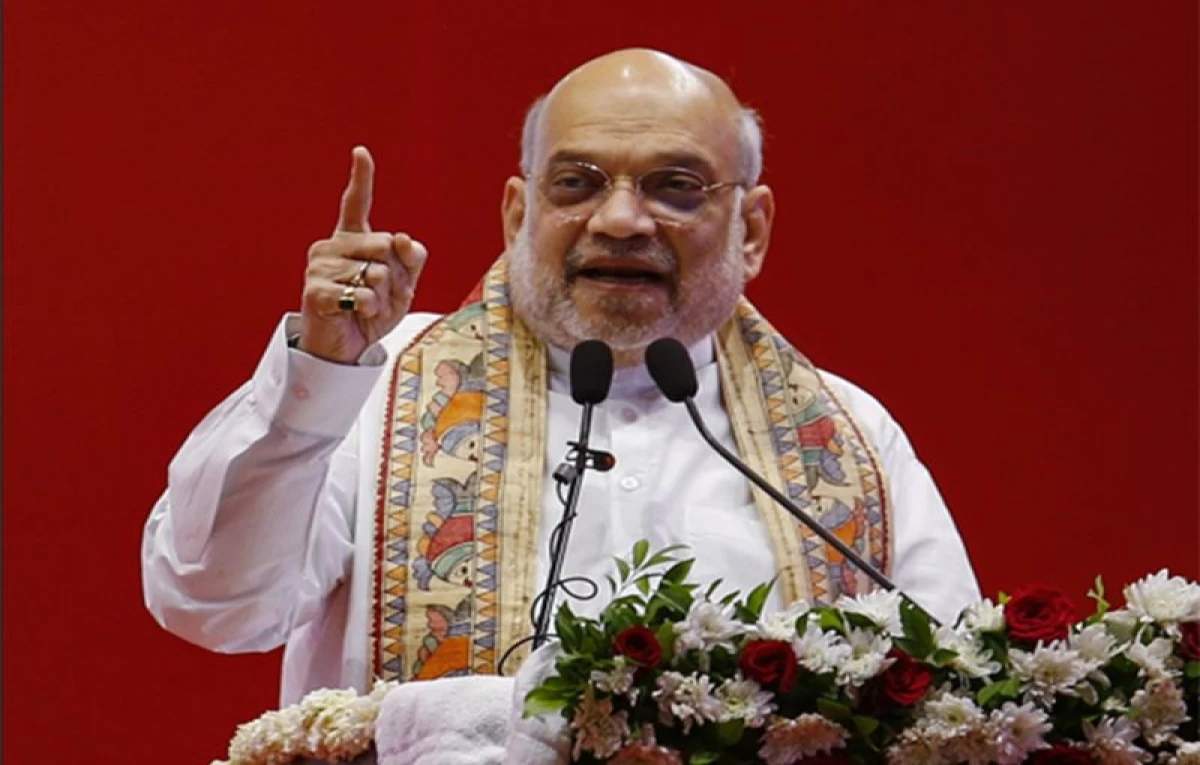
Union Home Minister Amit Shah has hailed Operation Trident as a major offensive against an international narcotics cartel operating across India, Myanmar and Bangladesh, with investigators uncovering hawala transactions worth Rs 100 crore and freezing 1,424 bank accounts. The October 23 operation, conducted across Assam, Mizoram and Manipur, resulted in 18 arrests, the attachment of properties worth Rs 17.82 crore and the seizure of 500 detonators and Rs 12 lakh in cash.
Congratulating the anti-narcotics teams comprising central agencies and police forces of the three states, Shah said the network trafficked narcotics through what he described as the “Death Triangle Corridor”. He reiterated the government’s resolve to eliminate every drug network by December 31, 2029. The Narcotics Control Bureau (NCB), in coordination with the Enforcement Directorate (ED) and Mizoram Police, led the October 23 operation, conducting simultaneous searches at 38 locations.
_1392_x_938.webp "Narayanpur's old security camps are now schools")